

September 9, 2026
How to Care for Surgical Incisions Properly
Expert Guide to Proper Surgical Incision Care
Mar 20, 2026

FAQs provide patients a clear, concise resource that answers the most common concerns before undergoing cosmetic or reconstructive surgery. Understanding why a surgeon is board‑certified is crucial, because certification by the American Board of Plastic Surgery confirms rigorous training, residency, and ongoing education, guaranteeing high standards of safety and expertise. Plastic surgery encompasses both reconstructive procedures—such as trauma repair, burn reconstruction, and congenital defect correction—and aesthetic interventions like breast augmentation, liposuction, and rhinoplasty, all performed in accredited facilities with personalized, patient‑focused care, ensuring optimal outcomes and lasting confidence for you.

Cosmetic surgery expenditures in the United States vary widely by procedure, surgeon expertise, and location. Typical surgeon fees range from about $2,700 for liposuction to $9,700 for a full facelift, with common averages such as $4,600 for breast augmentation, $5,500 for rhinoplasty, $6,200 for a tummy tuck, and $5,300 for a breast lift. These figures exclude anesthesia, facility charges, and postoperative care, which can each add several thousand dollars to the total bill.
Factors influencing cost include the complexity of the surgery, implant type (silicone versus saline), use of advanced technologies (e.g., tumescent liposuction), and any concurrent procedures. Geographic market differences and the surgeon’s board‑certification status also play a role.
Financing options such as CareCredit, medical credit cards, or office‑specific payment plans are frequently offered to help patients manage out‑of‑pocket expenses.
Non‑invasive treatments are generally less expensive: Botox averages $420 per session, while hyaluronic‑acid dermal fillers run around $700 per treatment. A personalized consultation with Dr. Marc Fater at Cape Cod Plastic Surgery will provide a detailed, procedure‑specific estimate and discuss appropriate financing solutions.

A smooth recovery begins with diligent post‑op care: follow your surgeon’s written instructions for wound‑care, dressing changes, and any compression garments or drains. Keep the incision clean and dry, elevate the treated area when advised, and use cold compresses to control swelling. Activity restrictions are critical—avoid heavy lifting, bending, and vigorous exercise for the first few weeks, and follow the surgeon’s timeline for returning to normal activities. Pain management typically involves prescribed pain medication and, when needed, antibiotics; take these exactly as directed and stay well‑hydrated while eating a balanced, high‑protein diet to support healing. Watch for signs of complications such as fever, excessive bleeding, severe pain, or infection; contact your surgeon promptly if any of these occur. Attend all scheduled follow‑up appointments to monitor progress and ensure the best possible outcome.

Does plastic surgery use plastic?
The term “plastic” derives from the Greek word plastikos, meaning “to shape.” It does not refer to everyday household plastic. Most procedures rely on the patient’s own tissue, sutures, and absorbable polymers. When synthetic material is required, board‑certified plastic surgeons employ medical‑grade silicone or polymer implants—such as breast implants, facial fillers, and reconstructive meshes—that are FDA‑cleared for durability and biocompatibility. These specialized polymers are engineered for safe, long‑lasting use, not the generic plastics found in consumer products.
Is cosmetic surgery healthcare?
Cosmetic surgery is a medical procedure performed by board‑certified plastic surgeons in accredited facilities that follow strict sterility, anesthesia, and postoperative‑care protocols. It is part of the healthcare system, but because it is elective—aimed at enhancing appearance rather than treating disease—most health‑insurance plans do not cover it. When a functional or reconstructive component is documented, coverage may apply. Thus, cosmetic surgery is a safe, regulated medical service, though typically paid out‑of‑pocket.

Plastic surgery encompasses both cosmetic procedures that enhance appearance and reconstructive surgeries that restore function after injury, birth defects, or disease. It is typically performed by a board‑certified plastic surgeon who has completed extensive training and holds certification from the American Board of Plastic Surgery. Patients should verify that the surgeon has hospital privileges and that the surgical facility is accredited by organizations such as the Joint Commission or AAASF to ensure the highest safety standards. Recovery times vary by procedure—most non‑invasive treatments allow a same‑day return to normal activities, while surgeries like abdominoplasty or breast augmentation may require one to two weeks off work and a brief period of postoperative discomfort managed with prescribed pain medication. Potential risks, including infection, bleeding, scarring, and anesthesia complications, are discussed during the consultation, and patients are advised to be in good overall health and to avoid smoking before and after surgery to minimize complications. Finally, realistic expectations about results, the availability of non‑surgical alternatives, and any financial considerations, such as insurance coverage for reconstructive work, should be clarified with the surgeon during the initial visit.

Cosmetic surgery spans a broad menu of options to enhance both facial and body aesthetics. Common facial procedures include rhinoplasty, facelift (rhytidectomy), brow lift, blepharoplasty, chin and cheek implants, and otoplasty. Body‑contouring surgeries feature breast augmentation, mastopexy, breast reduction, liposuction, abdominoplasty, brachioplasty, thigh lift, and buttock lift. Non‑surgical treatments such as Botox, hyaluronic‑acid fillers, chemical peels, and laser skin resurfacing are also widely offered.
Most common plastic surgery for males – Gynecomastia (male breast reduction) tops the list, followed by liposuction, rhinoplasty, blepharoplasty, and facelifts/neck lifts, reflecting men’s growing interest in both body contouring and facial rejuvenation.
Most common plastic surgery for females – Breast augmentation, liposuction, and blepharoplasty dominate female procedures, with breast reduction leading for patients under 20. These surgeries address volume, contour, and age‑related changes.
Top three procedures overall – Liposuction, breast augmentation, and abdominoplasty are the three most performed cosmetic surgeries in the United States, accounting for the majority of aesthetic operations.
Procedure that removes 10 years off your face – A deep‑structural facelift (rhytidectomy) lifts and re‑positions deep tissue layers, delivering a youthful contour that typically lasts 10‑15 years, making it the premier option for a decade‑deflating transformation.

When you meet with Dr. Marc Fater, start by confirming his board‑certified plastic surgeon status and asking how many times he has performed the specific procedure you’re considering. Inquire about your candidacy, including overall health, weight stability, any future pregnancy plans, and request to see before‑and‑after photos of patients with similar anatomy. Discuss the technique, incision placement, recovery timeline, pain‑management, and potential complications such as seroma or scarring. Ask where the surgery will be performed, whether the facility is accredited, who will administer anesthesia, and the total cost—including any hidden fees and financing options.
Pre‑surgery checklist: verify insurance coverage, obtain required labs and medical clearances, stop smoking and nicotine at least six weeks prior, avoid alcohol and blood‑thinners, arrange a responsible adult for post‑op support, and follow fasting instructions. Pack comfortable, easy‑to‑remove clothing, a light sweater, and non‑slip socks.
Do not eat or drink after midnight before surgery, do not take over‑the‑counter pain relievers or supplements without approval, and do not neglect transportation and support plans.
Wear loose, slip‑on attire (e.g., a t‑shirt and elastic pants) and leave jewelry, heavy makeup, and strong fragrance at home.

Non‑surgical cosmetic procedures at Cape Cod Plastic Surgery include injectable neuromodulators such as Botox® and Dysport® to soften dynamic wrinkle, and dermal fillers like Juvéderm® and Restylane® for volume restoration and lip enhancement. Facial skin rejuvenation is offered through chemical peels, microneedling, laser resurfacing, and radio‑frequency tightening, while body‑contouring options such as CoolSculpting (cryolipolysis) and laser‑based fat reduction address stubborn pockets of fat. Latest plastic surgery techniques focus on minimally invasive, natural‑looking enhancements: micro‑fat grafting enriched with stem cells, thread‑lift facial rejuvenation, laser‑assisted liposuction that preserves surrounding tissue, and 3‑D‑printed custom implants for precise contouring. Preparing for surgery begins with a detailed consultation with Dr. Marc Fater, cessation of smoking at least two weeks before the operation, adherence to fasting guidelines, arranging a support person, and preparing a comfortable recovery space with soft clothing and necessary supplies. At the initial consultation, Dr. Marc Fater reviews medical history, examines anatomy, discusses aesthetic goals, presents realistic before‑and‑after photos, explains risks, anesthesia, recovery timelines, and provides a personalized treatment plan with cost estimates and financing options.
In summary, we have highlighted the importance of board‑certified surgeons, realistic expectations, and thorough pre‑operative evaluation for both cosmetic and reconstructive procedures. Our team is dedicated to providing personalized treatment plans, performed the safest accredited facilities, and ensuring each patient feels confident and well‑informed. We invite you to schedule a private consultation to discuss your aesthetic goals, explore the full range of surgical and minimally invasive options, and experience our commitment to safety, expertise, and individualized care.
September 9, 2026
Expert Guide to Proper Surgical Incision Care
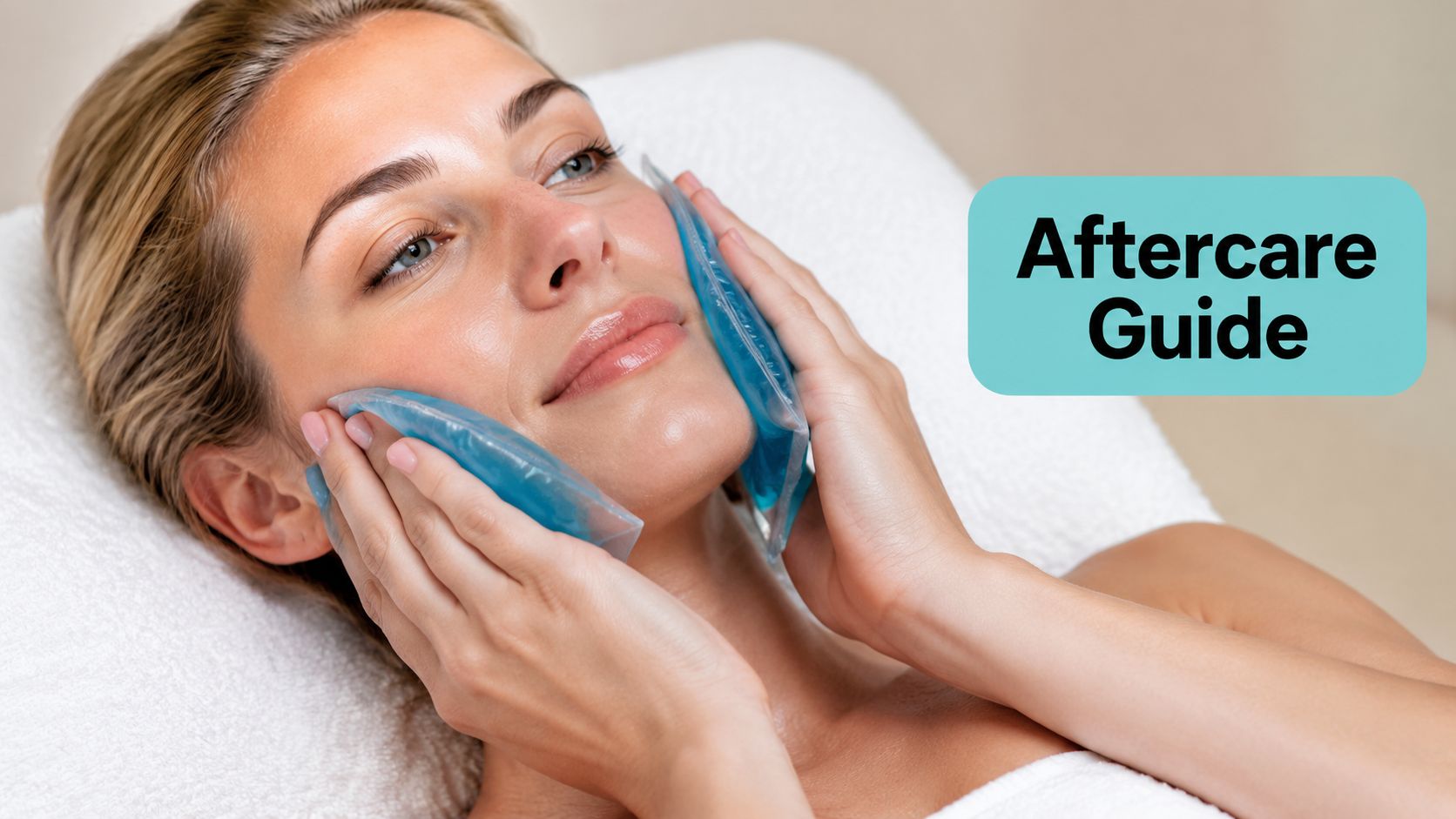
Master dermal fillers aftercare with do's and don'ts, swelling tips, activity limits and warning signs to protect your results and heal smoothly.

September 8, 2026
Ensuring Safety: Why Your Surgeon's Credentials Matter Most
Cape Cod Plastic Surgery offers expert cosmetic and reconstructive procedures in a safe, accredited setting. Led by Dr. Marc Fater, we combine advanced techniques with personalized care to help you look and feel your best.
Monday: 9:00 AM – 5:00 PM
Tuesday: 9:00 AM – 5:00 PM
Wednesday: 9:00 AM – 5:00 PM
Thursday: 9:00 AM – 5:00 PM
Friday: 9:00 AM – 5:00 PM