
September 9, 2026
How to Care for Surgical Incisions Properly
Expert Guide to Proper Surgical Incision Care
May 1, 2026

You worked hard to lose the weight. Your clothes fit differently. Your lab work may be better. Friends tell you how healthy you look. Then you catch your reflection getting out of the shower or trying on a fitted shirt, and instead of feeling only proud, you notice hanging skin on your abdomen, upper arms, thighs, or neck.
That reaction is more common than many people expect. Patients often tell me they thought reaching their goal weight would mean their body would “shrink wrap” into place. When that doesn’t happen, they wonder if they did something wrong. In most cases, they didn’t. Loose skin after weight loss is usually not a sign of failure. It’s a sign that the body changed dramatically, and the skin can’t always keep pace.
If you're still losing weight, a thoughtful pace can help support better long-term outcomes. A practical starting point is this guide to sustainable fat loss, which explains why steadier progress is often easier on the body than extreme swings.
Significant weight loss can bring two truths at the same time. You can feel healthier and stronger, and still feel frustrated by what loose skin looks or feels like. Those emotions don’t cancel each other out.
For some people, the first sign is cosmetic. A lower belly that folds over jeans. Skin at the triceps that moves more than expected. A face that looks older or more hollow after rapid weight loss. For others, it’s functional. Skin rubbing, moisture trapped in folds, or discomfort when exercising.
Loose skin is often the physical record of how much your body accomplished, not evidence that your effort “didn’t work.”
The confusing part is that not everyone has the same outcome. One person loses a modest amount of weight and sees very little change in skin quality. Another loses a large amount and finds that even with exercise and excellent habits, the skin still hangs. That difference comes down to biology, tissue structure, time, and in many modern cases, the way the weight was lost.
A newer wrinkle in this conversation is the rise of GLP-1 medications such as Wegovy and Ozempic. These medications have helped many people lose weight, but they’ve also made patients more aware of facial volume loss and body skin laxity. That’s because some people lose not only fat, but muscle as well. When both are lost quickly, the skin has even less support underneath it.
To understand what causes loose skin after weight loss, it helps to stop thinking of skin as a simple covering. Skin is a living structure with layers, support beams, and cushioning underneath.

Think of your skin like a mattress.
If the epidermis is the fabric on top, the dermis is the woven internal structure, and the hypodermis is the padding. When body size changes a little, this system can adapt. When body size changes a lot, especially over years, that system gets stressed.
Patients often hear these terms in skincare marketing, but they do different jobs.
Collagen gives skin firmness and structure. It’s the framework that helps skin stay dense and strong.
Elastin gives skin recoil. It helps skin stretch and spring back.
A simple analogy helps. Collagen is the fabric and stitching in a pair of supportive athletic leggings. Elastin is the stretch in the material. If you wear them briefly, they keep their shape. If you stretch them hard, repeatedly, over a very long period, they start to lose that snap.
That is what prolonged weight gain can do to skin. The tissue stretches to cover a larger surface area. Over time, the fibers that once handled that stretch well can become damaged or permanently altered.
Research on patients after massive weight loss shows that the skin is structurally compromised. The dermis has lower density and thickness of collagen fibers, along with damage to elastic fibers. The same research explains that after being stretched for a long time, these fibers lose their ability to retract, and the body forms less new collagen after weight loss. The collagen that does form is weaker than collagen in healthy younger skin, which helps explain why the skin drape doesn’t shrink to match the new body contour (clinical review of skin changes after massive weight loss).
That’s the key point many people miss. Loose skin isn’t just “extra.” It’s often changed tissue.
Practical rule: Skin can stretch much more reliably than it can shrink.
This also explains why the length of time at a higher weight matters. Skin that has been under tension for years behaves differently than skin stretched for a short period. The longer those fibers are held in an expanded state, the less likely they are to return neatly to where they started.
Now add the second half of the problem. During weight loss, fat leaves the deeper layer under the skin. That layer had been acting like internal padding.
When that padding shrinks, the skin has less volume underneath it. Imagine removing filling from a pillowcase. Even if the fabric is intact, the shape changes immediately. If the fabric is also stretched and worn, it drapes instead of hugging the new outline.
That’s why people often notice loose skin most in areas that held more fat before, such as the lower abdomen, upper arms, chest, inner thighs, buttocks, and neck. Those areas experienced a larger change in underlying volume.
The science behind this becomes more intriguing. Some patients feel confused because their skin may seem soft or mobile, yet still won’t tighten. Softness is not the same as useful recoil.
At the molecular level, massive weight loss changes the architecture of the dermis. Thick, organized collagen fibers are replaced by thinner, more loosely arranged ones. The result can be skin that moves easily but doesn’t contract well. In practical terms, the tissue may feel lax rather than resilient.
A moisturizer can improve the skin barrier. It can help dry skin feel smoother and look healthier. That matters. But it doesn’t rebuild damaged collagen bundles or refill the lost support of the hypodermis.
The same goes for many over-the-counter “tightening” products. They may create a temporary surface effect, but they can’t remove extra folds or restore the original internal structure after major weight loss.
That’s why the answer to what causes loose skin after weight loss is not just “you lost fat.” Instead, the answer is a combination of fiber damage in the dermis and volume loss in the deeper cushion beneath it.
Two people can lose weight and have very different skin outcomes. One may have mild laxity around the abdomen and none on the arms. Another may see loose tissue from the chest to the thighs. That variation usually comes from a mix of risk factors rather than a single cause.

The strongest predictors are how much weight was lost and how much sun damage the skin has accumulated. Research summarized in a clinical patient education source notes that losing 100 pounds or more almost guarantees some degree of skin laxity, and ultraviolet exposure directly damages collagen and breaks down elastin. The same source reports that in one group of post-weight loss surgery patients seeking skin tightening surgery, 44% reported skin pain, ulcers, or infections from excess skin (review of risk factors and quality-of-life impact).
That combination makes sense in the office. Large weight changes create a big gap between the skin envelope and the body underneath it. Sun exposure weakens the tissue that might otherwise help that envelope recoil.
Some factors don’t come with a neat number, but they matter in real life.
These factors don’t mean loose skin is inevitable for everyone. They do explain why one person’s skin retracts fairly well while another’s doesn’t, even when both are disciplined and healthy.
One modern reason skin laxity can look more dramatic is muscle loss during rapid weight loss.
GLP-1 medications such as Wegovy and Ozempic often lead to loss of both fat and muscle. Because muscle acts like a supportive scaffold under the skin, losing both tissues can produce more visible laxity in the face and body than weight loss from diet and exercise alone. This is one reason patients talk about “Ozempic face” or “Ozempic body” as a distinct look rather than just a smaller version of themselves (discussion of sagging skin after GLP-1-related weight loss).
Here’s the simplest way to understand it:
That second pattern often creates hollowness and draping faster. The face can look more gaunt. The upper arms may look deflated rather than slimmer. The buttocks can flatten. The abdomen may look looser because there is less soft tissue beneath the skin.
When patients lose weight quickly on GLP-1 medications, I don’t just look at the scale. I look at what disappeared underneath the skin.
This doesn’t mean GLP-1 medications are bad. For many people, they’re medically valuable. It means the body contouring conversation has changed. The mechanism of weight loss affects the aesthetic result, and treatment planning should reflect that.
You can’t promise your skin will tighten perfectly, especially after major weight loss. What you can do is give it the best chance to behave as well as it can.

Skin needs time to adapt. A slower, sustainable approach is usually kinder to soft tissue than severe restriction followed by rebound.
That matters even more if you’re using a GLP-1 medication. As noted earlier, these drugs can reduce both fat and muscle. If you lose too quickly without resistance training or adequate nutrition, you may reach a lower weight with less support under the skin.
Strength training won’t remove extra skin, but it can improve the appearance of mild laxity by creating more structure underneath the surface. Think of it as rebuilding some of the framework inside the body after the padding has changed.
Areas where this can help most include:
For people who want a practical overview of food choices that support muscle maintenance, this PlateBird guide to protein is a useful starting point.
Your body builds collagen from raw materials. If your nutrition is poor during weight loss, you make the process harder.
Focus on:
A simple plan beats a complicated one you can’t follow. Consistency matters more than chasing trendy supplements.
For a fuller discussion of habits that support tissue quality, this article on how to improve skin elasticity after weight loss offers practical guidance.
A short visual overview can also help reinforce the basics:
Sun damage breaks down collagen and elastin over time. Daily sunscreen is one of the few simple habits that helps preserve existing tissue quality.
Moisturizers also have a role, though a modest one. They support the skin barrier, reduce dryness, and can improve the look and feel of the skin surface. They won’t erase significant excess skin, but they can make the tissue more comfortable and healthier.
Patients often ask whether a device can tighten loose skin without surgery. Sometimes the answer is yes, but only within limits. The key is matching the tool to the problem.

Most non-surgical tightening treatments work by delivering controlled energy into the skin to stimulate collagen remodeling.
Common categories include:
These treatments can improve mild crepiness, early laxity, or small areas where the tissue needs refinement rather than removal. They’re often more useful for the face, neck, or modest body concerns than for large folds after massive weight loss.
The deeper problem in significant weight loss is not only skin quality. It’s also lost volume underneath. The hypodermis, the deepest skin layer, provides cushioning and support. When someone loses 100+ pounds, the volume deficit created there can be too large for the overlying skin to contract over, and age makes that harder because collagen production declines over time (overview of how hypodermis fat loss contributes to sagging skin).
That’s why energy-based devices may help a little, but not enough, when there is a large apron of abdominal skin or major arm laxity. They can stimulate collagen. They cannot remove a significant excess envelope.
Non-surgical treatment tends to fit people who have:
| Concern | Better fit for non-surgical care |
|---|---|
| Mild skin looseness | Yes |
| Fine textural crepiness | Yes |
| Significant hanging folds | No |
| Large post-bariatric skin excess | No |
| Interest in subtle improvement | Yes |
In facial cases, volume loss also matters. Some patients need tightening, while others need support restored beneath the skin. For readers curious about that distinction, this overview of how to achieve facial volume with Sculptra explains one nonsurgical approach to replacing some of what rapid weight loss can take away.
If you want a broader review of options, Cape Cod Plastic Surgery offers educational information on non-invasive skin tightening, including where these treatments can help and where they can’t.
Non-surgical tightening works best when the issue is mild laxity, not a large amount of extra skin.
When loose skin is moderate to severe, surgery is often the treatment that matches the biology of the problem. This isn’t because surgery is a shortcut. It’s because some tissue changes cannot be reversed from the outside.
At a molecular level, massive weight loss changes the dermis itself. Thick, organized collagen fibers are replaced by thin, misaligned fibers, and proteins involved in skin rigidity and contraction are expressed at lower levels. In practical terms, the skin may not have the functional ability to shrink to the new body shape, which is why surgical removal is often the only effective solution for significant laxity (study on dermal remodeling after major weight loss).
Body contouring surgery removes excess skin and reshapes the remaining tissue so it fits the body better.
Common procedures include:
These procedures are often considered after someone has reached a stable weight and can maintain it. Stability matters because contouring a body that is still changing usually leads to less predictable results.
Here is the simplest side-by-side comparison.
Comparing Non-Surgical and Surgical Skin Tightening
| Feature | Non-Surgical Treatments | Surgical Procedures |
|---|---|---|
| Main goal | Stimulate collagen and modest tightening | Remove excess skin and reshape contour |
| Best for | Mild laxity and textural concerns | Moderate to severe loose skin |
| Can remove hanging folds | No | Yes |
| Improvement level | Subtle to moderate | More dramatic and definitive |
| Downtime | Usually shorter | Longer recovery |
| Works after massive weight loss | Limited | Often the most effective option |
The patients happiest with body contouring surgery usually share a few traits:
For many people, surgery is not about vanity. It’s about finishing a transformation that weight loss started but could not complete on its own. Shirts fit better. Exercise feels easier. Skin folds no longer dominate everyday life.
If you’re exploring procedure options in more detail, this overview of body contouring after weight loss explains how surgeons evaluate different areas and tailor a plan.
Loose skin after weight loss can feel unfair. You did the hard part, improved your health, and still ended up with a new challenge. That reaction is understandable. It doesn’t mean your progress was incomplete. It means your skin, fat, muscle, and connective tissue all responded to change in their own way.
The most important thing to remember is this. Loose skin is usually a biological consequence of major body change, not a sign that you lacked discipline or made a mistake. Skin that has been stretched for a long time may have damaged collagen and elastin. Rapid loss can leave a larger gap between the skin and the body underneath. GLP-1 medications add another layer because they may reduce muscle along with fat, which can make laxity more noticeable.
Some people benefit from prevention-focused habits, non-surgical treatment, or more time at a stable weight. Others need surgery because the tissue won’t contract enough on its own. There’s no shame in either path.
If loose skin is affecting your comfort, confidence, or daily life, the most useful next step is a consultation with a board-certified plastic surgeon who can examine the actual tissue, not just the number on the scale. A personalized evaluation is what turns general information into a plan that fits your body.
If you're ready to talk through your options with an experienced surgical team, Cape Cod Plastic Surgery offers consultations for patients dealing with loose skin after weight loss. Dr. Marc Fater and his team can evaluate the areas that concern you, explain whether non-surgical treatment or body contouring surgery makes more sense, and help you choose a path that matches your goals and stage of weight loss.
September 9, 2026
Expert Guide to Proper Surgical Incision Care
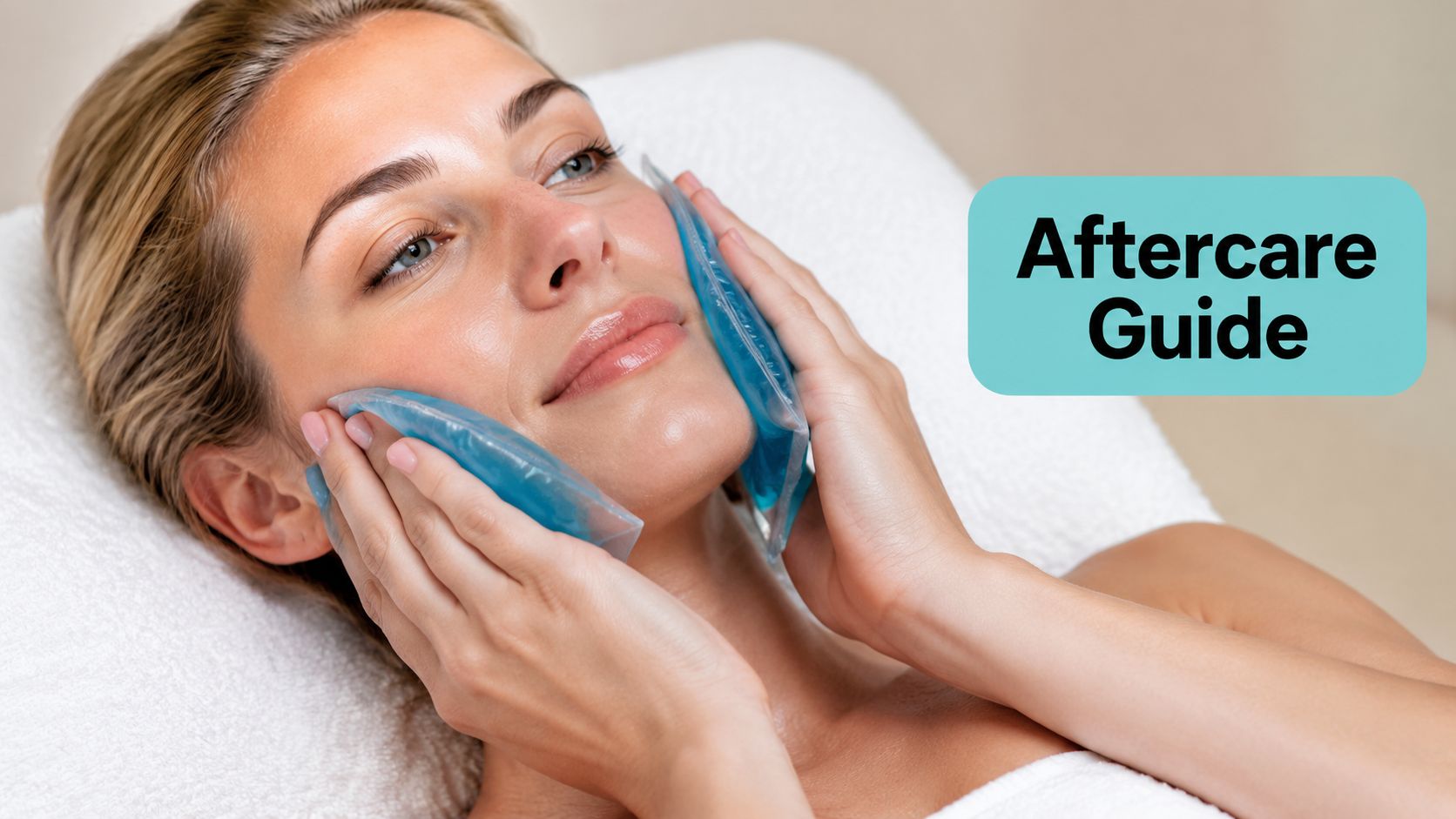
Master dermal fillers aftercare with do's and don'ts, swelling tips, activity limits and warning signs to protect your results and heal smoothly.

September 8, 2026
Ensuring Safety: Why Your Surgeon's Credentials Matter Most

Cape Cod Plastic Surgery offers expert cosmetic and reconstructive procedures in a safe, accredited setting. Led by Dr. Marc Fater, we combine advanced techniques with personalized care to help you look and feel your best.
Monday: 9:00 AM – 5:00 PM
Tuesday: 9:00 AM – 5:00 PM
Wednesday: 9:00 AM – 5:00 PM
Thursday: 9:00 AM – 5:00 PM
Friday: 9:00 AM – 5:00 PM