

September 9, 2026
How to Care for Surgical Incisions Properly
Expert Guide to Proper Surgical Incision Care
May 2, 2026

Accreditation is an official, external review process where an independent body evaluates whether a healthcare organization meets specific, rigorous quality and safety standards. Unlike state licensure, which is mandatory, accreditation is typically a voluntary process that serves as a distinguished "seal of approval." It demonstrates that a facility, such as a surgery center, has been thoroughly assessed and found to comply with national benchmarks for operational excellence, patient care, and safety procedures.
Accreditation is a primary driver of patient safety in healthcare. Accredited facilities must implement strict protocols for emergency preparedness, infection control, medication management, and staff credentials. This process includes unannounced on-site surveys, regular inspections, and a commitment to ongoing quality improvement. For patients, choosing an accredited facility provides a crucial layer of assurance, as it confirms the environment—from the equipment and team to the sanitation standards—is designed to minimize risks and deliver the highest level of safe care.
Accreditation in healthcare is a formal, objective evaluation process. An independent accrediting body assesses a healthcare organization against established quality and safety standards. This process involves an unannounced on-site survey by trained professionals who review patient records, observe care, and interview staff. Successful completion leads to a certification, such as the Joint Commission's Gold Seal of Approval, which signifies a commitment to excellence.
Accreditation is vital because it demonstrates a healthcare organization's dedication to providing safe, high-quality care. This voluntary process helps organize and strengthen patient safety efforts, improves risk management, and reduces the chance of errors. For patients, it provides confidence that the facility adheres to rigorous national standards for equipment, safety, cleanliness, and staff qualifications. It differentiates a facility, showing it prioritizes continuous improvement over simply meeting the minimum regulatory requirements.
Accreditation directly enhances patient safety by requiring organizations to follow evidence-based standards and continuously evaluate risks. Accredited facilities must have strict protocols for everything from sanitation and infection control to emergency preparedness. For example, they must verify physician certifications regularly and monitor anesthesia delivery by licensed specialists. The Joint Commission places patient safety at the forefront, using performance improvement strategies to minimize the risk of error. This systematic approach, including regular inspections and reporting of patient safety data, actively minimizes hazards, resulting in exceptionally low rates of serious complications and a safer environment for patients.
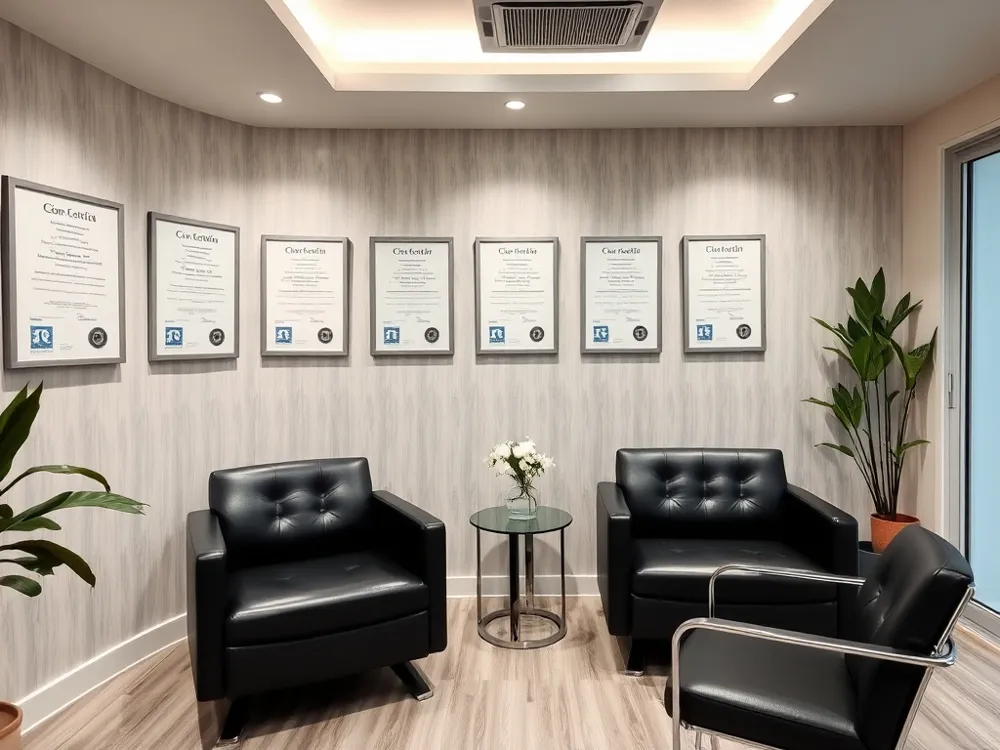
Healthcare accreditation is a formal process where an independent body evaluates whether an organization meets specific quality and safety standards. While various accrediting organizations exist, they generally fall into categories based on the type of care setting. Hospital accreditation is commonly performed by organizations like The Joint Commission or the Healthcare Facilities Accreditation Program (HFAP). For outpatient centers, such as ambulatory surgery centers (ASCs), specific accreditation bodies like the Accreditation Association for Ambulatory Health Care (AAAHC) and the American Association for Accreditation of Ambulatory Surgery Facilities (AAAASF) are highly regarded.
| Accreditation Type | Primary Focus | Common Accreditors | Key Characteristics |
|---|---|---|---|
| Hospital Accreditation | Inpatient and comprehensive care | The Joint Commission, HFAP, DNV GL | Often required for Medicare participation; evaluates entire organization |
| Ambulatory Surgical Center (ASC) Accreditation | Outpatient surgical care | AAAHC, AAAASF, The Joint Commission | Focus on safety for same-day procedures; includes on-site surveys |
| Program/Individual Certification | Specialty programs or practitioner skills | ACGME, American Board of Plastic Surgery | Reviews specific training programs or individual qualifications |
The Joint Commission is the largest healthcare accrediting body in the United States, founded in 1951. It evaluates organizations through rigorous, unannounced on-site surveys that assess compliance with patient-centric standards. These standards focus on key areas like patient safety, infection control, and medication management. Earning The Joint Commission's Gold Seal of Approval is a widely recognized mark of quality and is accepted by the Centers for Medicare & Medicaid Services (CMS) for demonstrating compliance with federal regulations.
When selecting a plastic surgeon, a critical credential to verify is board certification. The gold standard is certification by the American Board of Plastic Surgery (ABPS). This signifies the surgeon has completed a minimum of six years of surgical training, including a dedicated plastic surgery residency, and has passed rigorous written and oral exams.
Surgeons who are ABPS-certified are required to operate only in accredited facilities. Recognized national accrediting bodies include the American Association for Accreditation of Ambulatory Surgery Facilities (AAAASF), the Accreditation Association for Ambulatory Health Care (AAAHC), and The Joint Commission (TJC). These independent organizations perform unannounced on-site surveys to verify that the facility meets strict standards for equipment, safety protocols, and staff qualifications.
Choosing a board-certified plastic surgeon is a primary safeguard for your safety. Many physicians offer cosmetic procedures, but only those with ABPS certification have the specialized training to handle complications and perform surgeries safely.
An accredited facility adds another layer of protection. These centers monitor patient outcomes, have comprehensive emergency plans, and maintain the highest sanitation standards. For the patient, this translates to reduced risks of infection, anesthesia errors, and other serious complications, ensuring a safer surgical experience and more predictable, satisfying results. Always ask your surgeon about their credentials and the accreditation of their surgical facility. This proactive step is essential for your peace of mind and well-being.
| Credential | Verifying Body | What It Ensures for Patient Safety |
|---|---|---|
| Board Certification | American Board of Plastic Surgery (ABPS) | Six-year surgical residency, rigorous written & oral exams, commitment to high training standards. |
| Facility Accreditation | AAAASF, AAAHC, TJC | Regular unannounced inspections, strict safety protocols, emergency preparedness, quality monitoring. |

While procedures involving the brain, heart, or organ transplants carry inherent high risk, even common operations have dangers. These include "never events," such as operating on the wrong site, and anesthesia errors, like incorrect dosages or inadequate patient monitoring. Anesthesia standards in accredited facilities are clearly defined and administered by a licensed anesthesiologist.
Accreditation mitigates these risks by enforcing strict protocols. Accredited facilities must have fully equipped operating rooms with functional life support and emergency equipment. They also require surgeons to hold Board certification and maintain accredited training, ensuring every team member is qualified. Drug and medication expiration dates are routinely checked, and emergency plans for fires or other crises are mandatory.
Accreditation transforms patient safety from a goal into a consistent reality. Accredited facilities monitor and report incidents like infections and complications, using this data for continuous quality improvement and participating in ongoing self-evaluation and peer review. This reduces variation in care throughout the facility, ensuring every patient receives the same high standard.
The process goes beyond simple checklists. A gap analysis identifies weaknesses before an external survey, and accredited facilities must prove compliance through rigorous on-site inspections by industry experts. This demonstrates that an organization meets or exceeds national standards for safety, sanitation, and staff credentials, building patient trust and lowering the risk of errors. The result is a safer environment where complications are minimized. | Safety Element | Impact of Accreditation | Example |
|---|---|---| | Facility & Equipment | Ensures proper organization and functioning of all devices | Regular inspections of life support monitors and backup power sources | | Clinical Team & Training | Guarantees qualified, licensed practitioners | Board-certified surgeons and anesthesiologists lead all procedures | | Procedural Protocols | Enforces strict, standardized emergency procedures | Clear protocols for fire, inclement weather, and medical emergencies are in place | | Ongoing Oversight | Mandates continuous quality improvement and reporting | Quarterly reporting of patient safety data and participation in peer review |
Choosing a board-certified plastic surgeon and an accredited surgical facility is the most critical decision you can make for your procedure. Accreditation by recognized bodies like AAAASF or AAAHC ensures a facility meets the highest national standards for safety, sanitation, and staff qualifications.
Let us help you take the next step with confidence. Schedule a consultation to learn more about our accredited facility and how we can support your aesthetic goals.
Choosing a facility accredited by a recognized body like the AAAASF or AAAHC is crucial for your safety. It confirms that the center meets rigorous national standards for equipment, staff qualifications, and emergency protocols, validating its commitment to high-quality care.
September 9, 2026
Expert Guide to Proper Surgical Incision Care

Master dermal fillers aftercare with do's and don'ts, swelling tips, activity limits and warning signs to protect your results and heal smoothly.

September 8, 2026
Ensuring Safety: Why Your Surgeon's Credentials Matter Most
Cape Cod Plastic Surgery offers expert cosmetic and reconstructive procedures in a safe, accredited setting. Led by Dr. Marc Fater, we combine advanced techniques with personalized care to help you look and feel your best.
Monday: 9:00 AM – 5:00 PM
Tuesday: 9:00 AM – 5:00 PM
Wednesday: 9:00 AM – 5:00 PM
Thursday: 9:00 AM – 5:00 PM
Friday: 9:00 AM – 5:00 PM