

October 7, 2026
What to Expect During Your Breast Surgery Recovery
A Practical Guide to Healing After Breast Surgery
Oct 1, 2026

A tummy tuck, or abdominoplasty, is a surgical procedure designed to remove excess skin and tighten the underlying abdominal muscles. It has remained one of the most popular cosmetic procedures for both men and women, helping patients achieve a firmer, flatter midsection after pregnancy, significant weight loss, or the natural effects of aging.
Recovery from a tummy tuck is a gradual process that requires patience and careful preparation. The healing timeline varies from person to person, influenced by factors such as the type of procedure performed (full vs. mini tummy tuck), the patient's age and overall health, and how closely the prescribed aftercare instructions are followed.
Choosing a board-certified plastic surgeon is an important step in ensuring both safety and optimal results. At Cape Cod Plastic Surgery in Hyannis, Massachusetts, Dr. Marc Fater leads a team of skilled professionals who provide personalized, patient-centered care in an accredited facility, helping guide patients through every stage of their recovery.

The first 24 to 72 hours after a tummy tuck are typically the most challenging. Pain, soreness, swelling, and fatigue peak during this window. Patients often describe a feeling of tightness across the lower abdomen and find that even gentle movements require effort. This intense phase is short-lived, with most people noticing a clear improvement after the third day.
Immediately after surgery, the abdomen is covered with surgical dressings, and thin drainage tubes are placed near the incision to prevent fluid buildup. Nurses provide detailed instructions on how to empty and record the output from these drains. A compression garment is worn around the clock to limit swelling, support healing tissues, and improve comfort during movement. Patients have limited mobility and need to rest at an angle, using pillows to keep the upper body and knees slightly bent.
Walking fully upright is not possible in the first few days, and standing up straight is a gradual process that unfolds over a week or two. Bending, lifting, and squatting are strongly discouraged because they can stretch or reopen the incision. Having a trusted person available for at least the first 24 to 48 hours is essential. They can help with childcare, cooking, household tasks, and navigating the practical challenges of limited mobility.
Despite the need for rest, short walks around the house are encouraged to improve circulation and reduce the risk of blood clots. Strenuous activity is strictly forbidden. Pain medication is prescribed to manage discomfort, and it should be taken with food to minimize nausea. Constipation is common due to pain medications and limited movement, so staying hydrated and eating light, low-fat meals support a smoother recovery. At Cape Cod Plastic Surgery, the recovery plan is tailored to each patient's specific procedure, helping them navigate these early days with clear, personalized aftercare instructions.
By the end of the first week, most patients notice their energy slowly returning as the initial swelling and bruising begin to fade. Stiffness across the midsection is normal and may make simple movements feel awkward, but careful attention to incision care remains critical to support healing and prevent infection. Doctors teach patients how to keep the site clean and dry, and any waterproof dressings should be left undisturbed.
Surgical drains, which are thin tubes placed near the incision to prevent fluid buildup, are typically removed during weeks two through four at a follow-up appointment. As drainage tubes come out, daily routines become easier. Many patients find they can gradually stand more upright by the second week, and those with desk jobs often feel well enough to return to work. Pain usually eases during this period, and some patients transition from prescription medications to over-the-counter pain relievers like acetaminophen, following their surgeon's guidance.
A compression garment should continue to be worn around the clock, except when showering, to control swelling and support healing tissues. Short walks around the house are encouraged several times a day to boost circulation, but heavy lifting and bending remain off-limits. Lifting anything over ten pounds, including small children or heavy grocery bags, can strain the incision and disrupt muscle repair. At Cape Cod Plastic Surgery in Hyannis, board-certified plastic surgeon Dr. Marc Fater provides personalized aftercare instructions and schedules a first post-operative follow-up visit during this period to check incisions, remove drains if needed, and confirm that healing is progressing as expected.
By the one-month mark, most patients feel ready to resume regular activities, including comfortable driving and returning to desk-based work. Light exercise such as walking can be increased gradually, though heavy lifting and core-intensive workouts remain restricted for at least six to eight weeks to protect the repaired abdominal muscles.
Swelling continues to subside noticeably during this phase. According to the American Society of Plastic Surgeons, approximately 80 percent of swelling resolves by the two-month point [Source: Plasticsurgery.org]. Patients often begin to see a flatter abdomen and a slimmer waistline as the tissues settle.
The incision line starts to fade from red to pink, though the scar will continue to mature over the next several months. Compression garment wear can often be reduced around five to six weeks, as directed by your surgeon. Regular follow-up visits help track progress and ensure healing stays on course. At Cape Cod Plastic Surgery, Dr. Marc Fater provides personalized guidance throughout these milestones, helping patients feel informed and supported at every stage of recovery.
Reaching the six- to eight-week mark after your tummy tuck marks a significant milestone. Most patients are cleared to begin light exercise, such as brisk walking or using a stationary bike, and can resume full daily routines. At this stage, the majority of visible swelling has subsided, though some minor residual swelling may remain.
Gradual reintroduction of activity is critical. Start with low-impact cardio and only add core-focused work once your surgeon has given explicit approval. Strenuous exercise and excessive movement can still negatively impact the healing of tightened muscles and the incision site. As part of a personalized recovery plan, board-certified surgeons like Dr. Marc Fater at ccplasticsurgery.com guide patients on exactly when and how to increase intensity.
High-impact movements, heavy lifting (over 10 pounds), and motions that force a quick bend should remain off-limits for several more weeks. Listen to your body — if an activity causes pulling, pain, or significant discomfort, stop and try again later. Many patients feel close to their pre-surgery self by weeks seven to eight, but the final contours continue to refine over the following months.
Additional healing techniques can be introduced around this time. Scar massage, gentle lymphatic drainage, and therapeutic massage can be started two to six weeks after surgery, as instructed by your surgeon. These practices support circulation, reduce residual swelling, and help soften internal scar tissue for a smoother final result.

As you pass the three-month milestone, the majority of post-surgical swelling has typically resolved. By this point, most patients see their final shape emerging, with a flatter abdomen and slimmer waistline becoming clearly visible. According to the American Society of Plastic Surgeons, recovery times vary based on factors like age and the type of tummy tuck performed, but many patients begin feeling more normal around the eight-week mark, with continued improvement over the following months.
The incision line will continue to fade from red or pink to a lighter, less conspicuous color. This process can take a year or more to complete. Protecting the scar from direct sun exposure is important during this period, as UV rays can darken the tissue and slow the fading process. Some patients find that silicone sheets or scar creams, started after surgical clearance, help support a smoother final appearance.
Minor swelling can persist for up to a year, especially if abdominal muscle repair was performed. This is normal and typically noticeable only at the end of a long day or after a workout. As the University of Utah Health notes, patients generally feel like themselves again around two months after surgery and can resume all activities at three months, though the abdomen continues to refine. Strenuous activity with excessive force should still be avoided until three months post-surgery.
Maintaining your new silhouette depends on stable weight, regular exercise, and a balanced diet. Many patients report dropping a full clothing size after a tummy tuck, but weight fluctuations, particularly more than 10-15 pounds, can alter the final result. A consistent routine of core-strengthening exercise and healthy nutrition helps preserve the muscle tightening and contour that the procedure achieved. At Cape Cod Plastic Surgery, Dr. Marc Fater and his team provide follow-up care to help patients stay on track during this long-term phase.
A successful recovery depends on following a few consistent habits that protect your results and help you heal comfortably. These practices, recommended by board-certified surgeons like Dr. Marc Fater, are designed to minimize swelling, prevent complications, and support your body as it adjusts to its new contours.
Wearing your compression garment as directed is one of the most effective ways to control swelling and support healing tissues. It should be worn around the clock, except when showering, for at least the first several weeks. Staying hydrated with 8 to 10 glasses of water daily and following a low-sodium diet rich in lean protein helps reduce fluid retention. Smoking and alcohol are strictly off-limits for at least three months, as they significantly impair circulation and tissue repair.
Gentle daily walking, starting with short loops around the house, helps prevent blood clots and boosts circulation. Prescription pain medications should be taken exactly as directed, and because they often cause constipation, a mild over-the-counter laxative can help maintain regularity. Protecting your incision means keeping it clean and dry, waiting 48 hours before your first shower, and avoiding baths, pools, or hot tubs until your surgeon approves.
Survival Station. Set up a recovery area with everything within reach: medications, water, healthy snacks, phone charger, and a firm pillow to hold against your abdomen when coughing or getting up.Scar Care. Follow your surgeon's advice on scar management, which may begin around three weeks post-surgery. Attending all follow-up appointments ensures your healing is on track and any concerns are addressed early.
By preparing your home in advance and committing to these core habits, you create the best possible environment for your body to heal and for your final results to emerge. The team at ccplasticsurgery.com provides personalized guidance at every stage to support your recovery journey.
Being at or near your goal weight before undergoing a tummy tuck is one of the most important factors for achieving the best possible outcome. At Cape Cod Plastic Surgery, Dr. Marc Fater emphasizes this during consultations to help patients plan for results that last.
If you lose 20 pounds after a tummy tuck, it can generally be a positive change, as many patients continue to lose weight naturally in the months and years after surgery, supported by improved mobility and new healthy habits. However, significant weight loss can also alter your abdominal contour, potentially leading to some skin laxity.
By contrast, if you gain weight after a tummy tuck, the fat cells that remain in the abdomen can expand, potentially compromising the flat, toned result you achieved. This is why maintaining a stable, healthy lifestyle is essential for preserving your investment.
The results of a tummy tuck are permanent in the sense that the tightened muscles and removed skin will not return on their own. But the final aesthetic outcome depends on how you care for your body going forward. Consistent habits like a balanced diet, regular exercise, and stable weight will help you enjoy that flatter, more confident silhouette for years to come.
| Factor | Effect on Results | Best Practice for Maintenance |
|---|---|---|
| Weight loss after surgery | Can be positive but may cause minor skin laxity if significant | Stay within 5-10 lbs of goal weight |
| Weight gain after surgery | Can expand remaining fat cells, reducing visible results | Maintain healthy diet and regular exercise |
| Lifestyle habits | Directly affect long-term contour and scar healing | Avoid smoking, limit alcohol, stay hydrated |
| Follow-up care | Monitors healing and addresses concerns early | Attend all post-operative appointments |
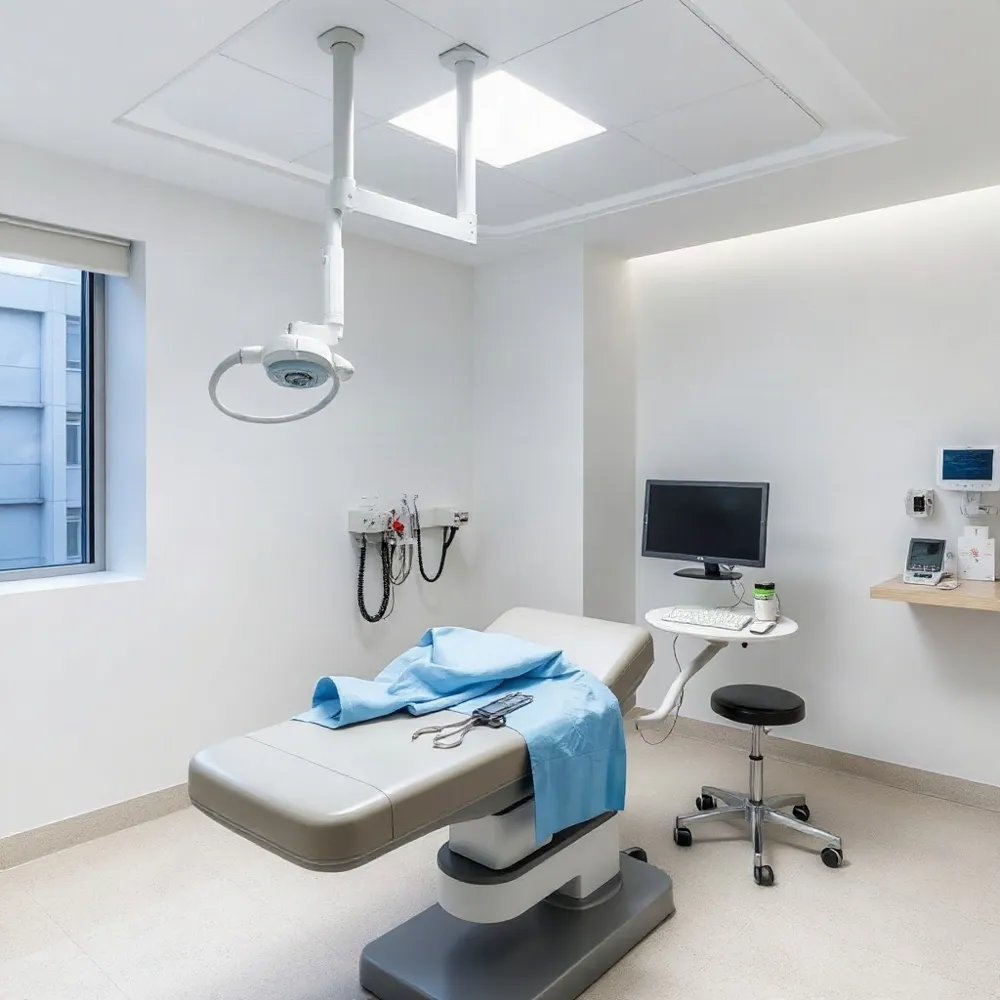
A tummy tuck is a major surgical procedure, and the foundation of a safe, successful outcome is selecting the right surgeon. Choosing a board-certified plastic surgeon ensures the highest standards of training, safety, and surgical skill—qualities that directly impact your recovery experience and final results.
At ccplasticsurgery.com, the focus is on personalized, patient-centered care within an accredited facility. Surgeons like Dr. Marc Fater and his team bring advanced expertise to every procedure, from the initial consultation through long-term follow-up, helping patients feel supported at every stage.
A thorough consultation allows you to discuss your goals, explore procedure types such as a mini, full, or fleur-de-lis tummy tuck, and understand the expected recovery timeline. Once your plan is set, preparation is straightforward. Fill your prescriptions in advance, arrange for help with childcare and household tasks, and set up a recovery nest with pillows, snacks, water, and entertainment within easy reach.
Following your surgeon's post-operative care instructions is the most important step you can take to protect your results and minimize complications. Diligent incision care, proper use of a compression garment, and attending all scheduled follow-up appointments give your body the best environment for healing.
| Preparation Step | Key Actions | Purpose |
|---|---|---|
| Prescriptions | Fill pain and antibiotic meds early | Avoid last-minute pharmacy runs |
| Help at Home | Arrange childcare and meal support | Allows you to rest fully |
| Recovery Nest | Prepare pillows, water, snacks, charger | Minimizes bending and lifting |
| Post-Op Plan | Read and follow all surgeon instructions | Reduces risk of complications |
| Follow-Up Visits | Attend all scheduled appointments | Tracks healing and addresses concerns |
Recovery is a gradual process, but understanding the timeline and following your surgeon's instructions closely ensures both safety and satisfaction with your final result. With proper care, a tummy tuck provides dramatic, life-changing results — a flatter, firmer abdomen that restores confidence in your appearance.
At Cape Cod Plastic Surgery, led by Dr. Marc Fater, the commitment to supporting patients continues through every phase of healing. The practice provides personalized follow-up care and clear guidance on incision management, compression garment use, and activity restrictions, helping you navigate each milestone with reassurance.
The first step toward your new silhouette is a consultation with Dr. Fater, where you can discuss your goals, learn about the procedure, and receive a customized treatment plan. Contact Cape Cod Plastic Surgery today to begin your journey.
October 7, 2026
A Practical Guide to Healing After Breast Surgery

October 6, 2026
Your Safety Guide: What to Look for When Choosing a Plastic Surgeon

October 5, 2026
Why Our On-Site Accredited Facility Matters for Your Safety

Cape Cod Plastic Surgery offers expert cosmetic and reconstructive procedures in a safe, accredited setting. Led by Dr. Marc Fater, we combine advanced techniques with personalized care to help you look and feel your best.
Monday: 9:00 AM – 5:00 PM
Tuesday: 9:00 AM – 5:00 PM
Wednesday: 9:00 AM – 5:00 PM
Thursday: 9:00 AM – 5:00 PM
Friday: 9:00 AM – 5:00 PM