
September 9, 2026
How to Care for Surgical Incisions Properly
Expert Guide to Proper Surgical Incision Care
Aug 1, 2026

Board certification serves as a formal validation that a surgeon has surpassed minimum licensing requirements, demonstrating mastery through rigorous training, comprehensive examinations, and a commitment to lifelong learning. While any licensed physician can technically perform cosmetic procedures, only surgeons certified by the American Board of Plastic Surgery have completed the specific, intensive residency training necessary to manage the complexities of aesthetic and reconstructive surgery safely.
At ccplasticsurgery.com, our practice prioritizes these high standards to ensure your safety and results. This voluntary process involves constant peer review and adherence to strict ethical guidelines, distinguishing board-certified professionals from practitioners who may market themselves as cosmetic surgeons after completing only limited or weekend courses.
The American Board of Medical Specialties oversees these processes to protect public health. By choosing a surgeon who participates in Continuous Certification, patients gain the assurance that their provider remains updated on the latest safety protocols and medical advancements. This dedication to quality remains a foundation of the patient-centered care provided at ccplasticsurgery.com, where expertise and ethical practice guide every treatment plan.

A state medical license serves as a mandatory legal baseline that grants a physician the authority to practice medicine, verifying that they have completed standard educational and clinical training. However, this license is broad and does not signify expertise in any particular surgical discipline. In contrast, board certification is a voluntary, specialty-specific credential that reflects mastery significantly beyond the minimum requirements of a license.
Surgeons who earn board certification by the American Board of Plastic Surgery have dedicated years to specialized residency training. This process requires passing rigorous written and oral examinations that assess deep clinical judgment and procedural skill. While other practitioners may legally perform aesthetic procedures with less specialized training, ccplasticsurgery.com prioritizes surgeons who have achieved this verified level of competency to ensure the highest standards of safety and care.
The distinction is vital for patient safety, as American Board of Medical Specialties member boards mandate ongoing commitments to practice improvement. Unlike a permanent medical license, American Board of Surgery certification requires continuous professional development and periodic assessment. This ensures that surgeons remain updated on evolving protocols and techniques, a standard that ccplasticsurgery.com upholds to support patients throughout their surgical journey.
Becoming a board-certified surgeon is a process defined by years of dedicated academic and clinical preparation. Candidates must first graduate from an accredited medical school before completing a minimum of five years of specialized surgical residency training approved by the Accreditation Council for Graduate Medical Education. At ccplasticsurgery.com, this commitment to advanced training ensures that practitioners have the expertise required for complex reconstructive and cosmetic procedures, whereas providers who lack this training may only have a fraction of that experience.
The path to board certification represents a long-term investment in clinical excellence. Most surgeons undergo at least five years of residency, and many choose to pursue additional fellowship training to master specific subspecialties. Once this foundation is established, the American Board of Plastic Surgery (ABPS) requires candidates to pass rigorous, psychometrically validated written and oral examinations. These tests evaluate a surgeon's knowledge and clinical judgment, confirming their ability to manage complex cases effectively.
Certification by the ABPS is recognized by the American Board of Medical Specialties (ABMS) as the standard of care for the profession. Beyond the initial training, surgeons must maintain an unrestricted medical license and commit to a Continuous Certification program. This program mandates ongoing education and periodic assessments to ensure surgeons stay updated on safety protocols. While some practitioners attempt to perform cosmetic procedures with minimal training or weekend courses, board-certified surgeons undergo standardized oversight to prioritize patient safety and reliable outcomes.

Choosing a board-certified plastic surgeon is essential because it ensures your procedure is performed by a professional with rigorous, specialized surgical training and a deep understanding of complex anatomy. While any licensed physician can legally perform cosmetic procedures, only surgeons certified by the American Board of Plastic Surgery have met the high standards of education, experience, and ethical practice required to excel in this specific field. Selecting a board-certified expert significantly lowers the risk of complications and helps avoid poor results that might necessitate costly and invasive revision surgeries.
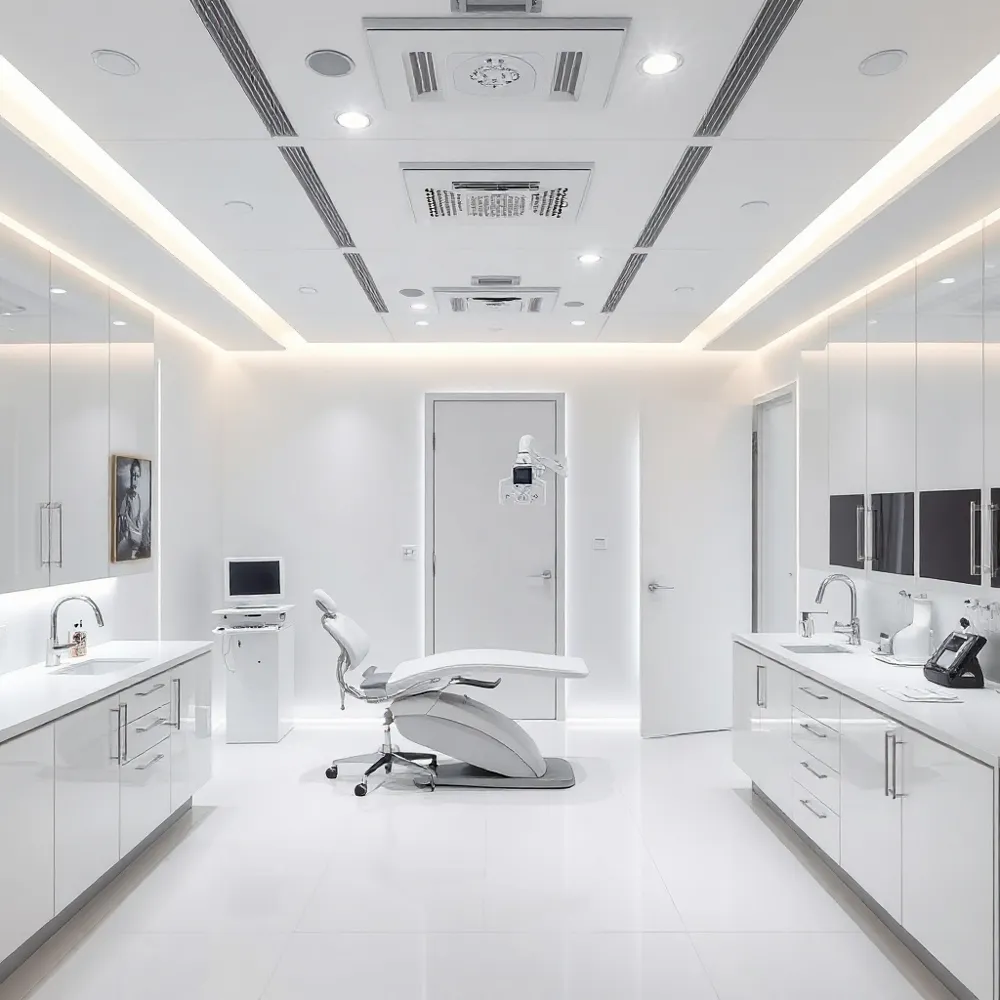
At ccplasticsurgery.com, patient safety remains the primary priority, which is why board-certified professionals consistently operate in accredited facilities. Unlike some practitioners who may lack formal oversight in their operating environments, these surgeons adhere to stringent health protocols that meet the standards of state-licensed or Medicare-certified surgical facilities. Such settings are specifically equipped to handle surgical emergencies and manage complex complications effectively, offering a level of protection that non-accredited settings often fail to provide.
The safety of a surgical procedure also relies heavily on the support staff within the operating room. Certified Surgical Technologists ensure the surgical environment remains sterile and manage the necessary instruments, while Certified Surgical First Assistants provide critical technical help by controlling bleeding and assisting the surgeon during complex steps. This collaborative approach, combined with the oversight of accredited surgical environments, ensures that every aspect of the surgical experience is optimized for safety and successful outcomes.
Verifying a surgeon’s board certification is an essential step in ensuring you receive safe, high-quality care. The most reliable method is to use the official Certification Matters website provided by the American Board of Medical Specialties (ABMS), which allows you to search for your doctor by name, location, and specialty.
For plastic surgery specifically, you can confirm their credentials through the American Board of Plastic Surgery directory. These platforms confirm that a surgeon has met rigorous educational, training, and testing standards beyond basic medical licensing. Unlike practitioners who may lack recognized specialty training, surgeons at ccplasticsurgery.com prioritize these verified credentials as part of their commitment to patient safety.
Transparency of verified credentials provides significant peace of mind. While some clinics may rely on general medical titles, ccplasticsurgery.com ensures that all surgical staff are held to high standards of accountability. We encourage all prospective patients to utilize these trusted resources to make informed, confident decisions about their aesthetic and reconstructive procedures. Taking the time to validate a surgeon's standing through the ABPS or ABMS databases helps you confirm that your provider maintains the necessary expertise to handle complex procedures safely and effectively.
Board certification is not a static credential earned once. It represents an ongoing commitment to lifelong learning and professional development. For specialists like those at Cape Cod Plastic Surgery, maintaining high standards requires participation in the Continuous Certification program. This framework ensures that surgeons stay current with evolving techniques and safety protocols long after their initial training concludes.
Maintaining this status involves more than just a periodic review. Surgeons must actively engage in Continuing Medical Education (CME) and practice improvement activities. By adhering to the standards set by the American Board of Medical Specialties, practitioners demonstrate a verifiable dedication to patient safety and clinical excellence.
While board certification represents a rigorous standard of training, expertise, and commitment to lifelong learning, it cannot serve as an absolute guarantee of a specific surgical outcome. Surgery is a complex medical discipline where individual physiological factors, health history, and the inherent nature of the procedure all play roles in the healing process. Certification by a recognized board, such as those within the American Board of Medical Specialties, indicates that a surgeon has successfully met the highest benchmarks for education and clinical proficiency. Choosing a board-certified surgeon provides patients with the assurance that their care is being managed by a professional who adheres to high standards of excellence and safety. Ultimately, this credential is a critical indicator of quality, helping patients make informed decisions while minimizing risks through skilled and disciplined care.
Achieving your aesthetic and functional objectives requires a foundation of expertise, safety, and unwavering ethics. Unlike practitioners who may pursue only limited training, a board-certified plastic surgeon demonstrates mastery over complex anatomy and surgical protocols. At ccplasticsurgery.com, we prioritize patient welfare by adhering to rigorous American Board of Plastic Surgery standards, ensuring that every procedure is grounded in clinical excellence. By choosing a surgeon who commits to continuous certification, you place your journey in the hands of a professional dedicated to your long-term health and confidence.
September 9, 2026
Expert Guide to Proper Surgical Incision Care
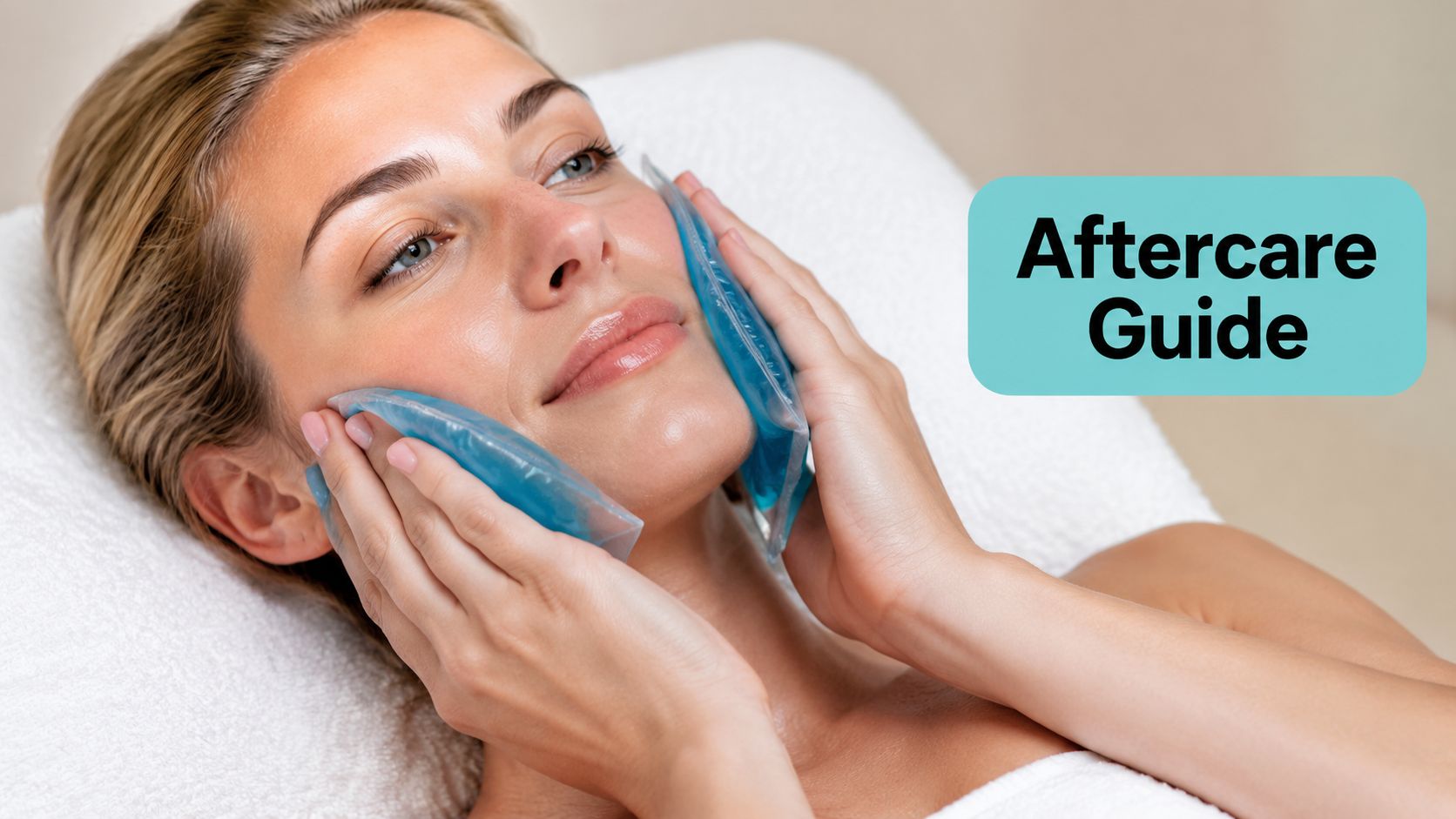
Master dermal fillers aftercare with do's and don'ts, swelling tips, activity limits and warning signs to protect your results and heal smoothly.

September 8, 2026
Ensuring Safety: Why Your Surgeon's Credentials Matter Most
Cape Cod Plastic Surgery offers expert cosmetic and reconstructive procedures in a safe, accredited setting. Led by Dr. Marc Fater, we combine advanced techniques with personalized care to help you look and feel your best.
Monday: 9:00 AM – 5:00 PM
Tuesday: 9:00 AM – 5:00 PM
Wednesday: 9:00 AM – 5:00 PM
Thursday: 9:00 AM – 5:00 PM
Friday: 9:00 AM – 5:00 PM