

October 7, 2026
What to Expect During Your Breast Surgery Recovery
A Practical Guide to Healing After Breast Surgery
Jun 10, 2026

In the field of cosmetic and reconstructive surgery, accreditation serves as a vital safeguard. While many surgical centers operate under standard regulations, ccplasticsurgery.com maintains a commitment to voluntary, rigorous certifications that mirror the high-level environments found in hospitals. This choice ensures that every aspect of the surgical experience adheres to strict national standards for safety and quality.
The focus extends beyond the procedure itself to include personnel qualifications, specialized equipment maintenance, and emergency readiness. By holding these certifications, ccplasticsurgery.com provides patients with documented proof of excellence. This approach is backed by significant research, which shows that procedures in accredited facilities maintain an excellent safety record with extremely low rates of complications.
Ultimately, ccplasticsurgery.com provides a sterile cockpit and consistent clinical oversight to prevent error. Beyond general requirements, this dedication to rigorous safety protocols offers patients peace of mind, knowing their surgery is performed in an environment held to the same performance benchmarks as larger clinical institutions.

What is The Joint Commission and why is accreditation important for surgical facilities? The Joint Commission acts as an independent, non-profit authority that establishes rigorous national performance standards for healthcare organizations in the United States. For a surgical facility, achieving this status signifies an unwavering commitment to excellence through an objective, evidence-based evaluation process. During an on-site survey, expert surveyors assess the facility’s organizational systems, including infection control, medication management, and patient rights, to ensure optimal care delivery.
At ccplasticsurgery.com, we prioritize these benchmarks to provide a secure environment for our patients, standing in contrast to facilities that do not undergo regular, independent validation of their surgical safety protocols. This commitment allows practices to demonstrate to patients and insurers that they actively identify and minimize medical risks. Many accrediting organizations enforce these standards to ensure consistency, but the rigorous framework provided by the Joint Commission is widely recognized as a premier indicator of clinical quality.
Ultimately, displaying the Gold Seal of Approval serves as a trusted mark of quality for patients. It provides documented peace of mind that their safety and clinical outcomes remain the absolute priority throughout their procedure and recovery. Research indicates that accreditation is a vital marker for high-level safety, helping patients feel confident in the facility they have chosen for their cosmetic and reconstructive care.

Surgical safety protocols, often structured as the Universal Protocol, provide the foundational framework for minimizing risks in any medical setting. These standardized procedures focus on pre-procedure verification, site marking, and a mandatory 'time out' held immediately before beginning a procedure. This formal check requires all surgical team members to pause and confirm the correct patient, site, and procedure to ensure alignment before the first incision is made.
At ccplasticsurgery.com, the team implements these best practices to maintain a high level of surgical reliability. While some facilities may prioritize speed, an accredited approach emphasizes a systematic team effort where every stage of the care cycle is documented. This level of rigor mirrors the surgical safety checklists monitored during independent surveys.
Effective communication serves as the backbone of operating room safety. Teams must maintain a 'sterile cockpit' environment, where nonessential conversation is restricted during critical procedure steps. This focus ensures that the surgeon and supporting staff remain fully attuned to intraoperative changes. Through these consistent, evidence-based safety protocols, accredited suites significantly reduce the occurrence of surgical errors while fostering a culture of transparency.
Patient care safety standards are evidence-based clinical protocols created to ensure the highest quality of treatment in any surgical environment. At ccplasticsurgery.com, we view these benchmarks as vital for maintaining consistent, high-level patient outcomes. These standards cover essential areas such as infection control, precise medication management, accurate patient identification, effective staff communication, and robust emergency response protocols.
Accredited surgical facilities must adhere to strict, objective national standards regarding equipment, operating room safety, and personnel credentials. Unlike facilities that may operate without independent review, an accredited setting ensures that anesthesia is administered by board-certified or board-eligible anesthesiologists or certified nurse anesthetists. This commitment to safety mirrors the rigor found in hospital-based surgical units, ensuring that risks like cardiac or respiratory distress are managed with immediate professional intervention.
By following a systems approach, ccplasticsurgery.com ensures that every detail, from the sterile cockpit environment to standardized instrument counts, is verified for patient protection. Research supports the efficacy of these requirements; studies indicate that accredited facilities achieve serious complication rates of less than 0.5 percent and mortality rates as low as 1 in 57,000. Choosing an accredited facility provides you with objective verification that your safety remains the primary focus throughout your transformation.

The Comprehensive Accreditation Manual for Ambulatory Care serves as the official source for The Joint Commission standards, Elements of Performance, and National Patient Safety Goals (NPSGs) specifically tailored for outpatient and ambulatory surgical centers. It provides the essential roadmap for facilities to maintain high-level safety and surgical excellence.
At ccplasticsurgery.com, we use these evidence-based standards to guide our internal operational systems, ensuring that our clinical environment remains transparent and reliable. Unlike non-accredited practices that may operate without independent oversight, our adherence to this manual requires us to perform regular, comprehensive assessments of patient care delivery.
Daily practice at our facility is further strengthened by the integration of National Patient Safety Goals, which focus on identifying and resolving emerging clinical vulnerabilities. By systematically measuring and improving our processes over time, we cultivate a culture of safety that aligns with the highest national benchmarks. This commitment ensures that we stay at the forefront of medical regulation, providing patients with refined, consistent, and exceptionally safe care.
Choosing an accredited facility offers objective verification that surgical environments prioritize safety through rigorous standards. At ccplasticsurgery.com, we maintain this commitment to clinical excellence by adhering to the protocols established by The Joint Commission. Compared to facilities that may lack such outside validation, our team ensures continuous quality improvement and transparent safety measures.
Research into accredited office-based surgical facilities shows an excellent safety record, with serious complication rates documented at less than 0.5 percent. We invite you to learn more about our on-site accredited surgical suite and the specialized care that supports your confidence throughout your recovery.
October 7, 2026
A Practical Guide to Healing After Breast Surgery

October 6, 2026
Your Safety Guide: What to Look for When Choosing a Plastic Surgeon
October 5, 2026
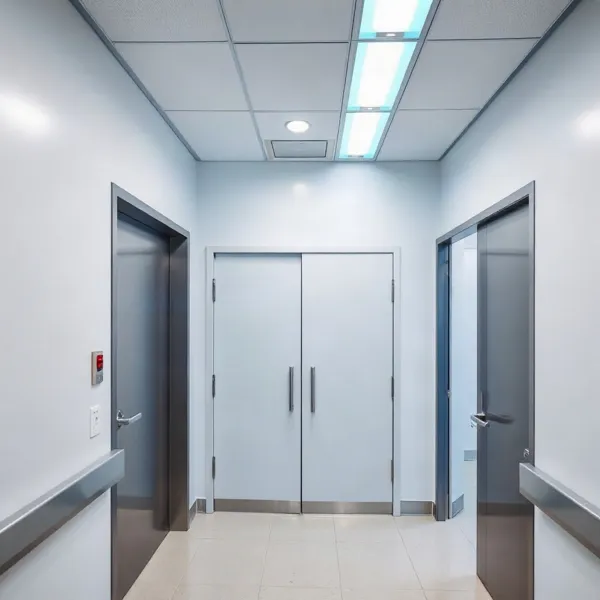
Why Our On-Site Accredited Facility Matters for Your Safety
Cape Cod Plastic Surgery offers expert cosmetic and reconstructive procedures in a safe, accredited setting. Led by Dr. Marc Fater, we combine advanced techniques with personalized care to help you look and feel your best.
Monday: 9:00 AM – 5:00 PM
Tuesday: 9:00 AM – 5:00 PM
Wednesday: 9:00 AM – 5:00 PM
Thursday: 9:00 AM – 5:00 PM
Friday: 9:00 AM – 5:00 PM