
September 9, 2026
How to Care for Surgical Incisions Properly
Expert Guide to Proper Surgical Incision Care
Mar 28, 2026

Dealing with loose skin after having a baby is a journey that requires a mix of patience, smart nutrition, and targeted exercise. While your body has an amazing ability to heal, you can definitely help it along. Focusing on collagen-boosting foods and safe, core-strengthening workouts can make a real difference in your skin's elasticity and overall appearance.

Your body just did something incredible, and it's completely normal for it to look and feel different now. One of the most common changes new moms notice is loose skin around the belly. This happens because your skin had to stretch significantly to accommodate your growing baby over nine months.
Deep within your skin, a network of collagen and elastin fibers provides firmness and the ability to snap back. Pregnancy puts that network to the ultimate test, and sometimes those fibers can get weakened or damaged in the process.
The most important thing I tell new moms is to be patient. Your skin needs time to retract, and this process is unique to every single person. As your hormones settle and your uterus shrinks back to its pre-pregnancy size, you'll naturally start to see your skin tighten up on its own.
Most of this natural recovery happens within the first 6 to 12 months postpartum. In fact, research shows that up to 70% of women notice loose abdominal skin after giving birth, but many also see a 60-70% improvement in the first 3 months alone as the body recalibrates. Still, for many, some laxity lingers. You can find more details about postpartum skin changes on MedicalNewsToday.com.
Your body has accomplished something amazing. The recovery process is a journey, not a race. Celebrate what you’ve done and focus on giving your body the support it needs to heal.
How quickly and completely your skin bounces back depends on a handful of key factors. Knowing what they are can help you set realistic expectations for your body's journey.
Your personal experience with loose skin is shaped by your genetics, lifestyle, and pregnancy history. The table below breaks down the key factors that determine the amount of loose skin after giving birth, helping you understand your unique situation.
| Factor | Impact on Skin Elasticity | Key Statistic |
|---|---|---|
| Age | Younger skin has more collagen and elastin, allowing it to retract more effectively than mature skin. | Collagen production can decrease by 1% per year after age 20. |
| Genetics | Your inherited skin type is a major determinant. If close female relatives had similar issues, you might too. | Your genetic makeup can account for up to 60% of skin aging variations. |
| Pregnancy Weight Gain | Gaining more than the recommended 25-35 pounds can overstretch skin, making retraction more difficult. | Exceeding recommendations can double the likelihood of retaining loose skin. |
| Multiple Pregnancies | Each pregnancy re-stretches the skin and abdominal muscles, which can have a cumulative effect on laxity. | The risk of significant diastasis recti (muscle separation) increases with each pregnancy. |
| Sun Exposure | A history of sun damage degrades collagen and elastin, reducing the skin's natural resilience and recovery ability. | UV exposure is responsible for an estimated 80% of visible skin aging. |
Recognizing where you stand with these factors is the first step. It's not about fighting your body—it's about working with it to feel strong and confident in your new chapter as a mom.

While we often look to creams and exercises first, the real foundation for repairing loose postpartum skin starts on your plate. It's about rebuilding from the inside out. Your body has done an incredible thing, and now it needs the right nutritional building blocks to support skin elasticity and healing.
This isn’t about a restrictive diet—especially not when you’re navigating life with a newborn. The key is to consciously incorporate specific, powerful nutrients into your daily meals. Your skin is essentially starved for the raw materials it needs to produce new collagen and elastin, the two proteins that keep it firm and supple.
When it comes to skin health, a few vitamins and minerals are absolute powerhouses. Focusing on these gives your body the best tools to support its natural recovery.
It doesn't have to be complicated. Tossing a handful of almonds into your yogurt or adding sliced bell peppers to a wrap are simple moves that make a huge difference over time. Consistency is what provides your skin with a steady supply of what it needs to rebuild.
Never underestimate the power of water. Well-hydrated skin naturally looks plumper and has better elasticity. Drinking plenty of water helps maintain your skin’s health and supports all your bodily functions, which are already working overtime during the postpartum period.
I always tell my patients to keep a large, reusable water bottle in plain sight. It’s a simple visual cue to drink up, even on the most hectic days. Aim for at least eight glasses daily, and even more if you're breastfeeding.
So, what about supplements? Collagen peptides have become incredibly popular, and some studies do suggest they can improve skin hydration and elasticity. While they aren't a magic bullet, they can be a helpful addition alongside a nutrient-rich diet.
True healing for new mothers involves nourishing the body from within. For a deeper dive into optimizing your health during this unique time, it's worth exploring resources on essential supplements for postpartum recovery.
The goal is to nourish, not deprive. Simple additions like sipping on bone broth—which is naturally rich in collagen and amino acids—can be a comforting and effective way to support your skin. Ultimately, a balanced diet full of whole foods is the best strategy for helping your body regain its firmness and tone.

While diet and topical treatments help your skin from the outside, exercise works from a completely different angle—by rebuilding the foundational muscles underneath. When you tone your abdominal muscles, you're creating a stronger, firmer support system. This can make a noticeable difference in the appearance of loose skin and, just as importantly, help you feel strong and capable in your new-mom body.
But here’s the thing: you have to approach postpartum fitness as a gentle, patient process of rebuilding. Your body has been through a monumental event, and your core muscles, especially your pelvic floor, need to be re-engaged with care, not shocked with high-impact workouts.
Most doctors will tell you to wait for your six-week postpartum checkup before getting back into a formal exercise routine. This appointment is your green light, where your doctor can confirm you’re healing well and are ready for more activity.
That said, "exercise" doesn't have to mean hitting the gym. Gentle movement can, and often should, start much sooner—sometimes within a few days of giving birth, as long as you feel up to it.
Your body is giving you constant feedback, so you have to learn to listen. Any sharp pain, an increase in postpartum bleeding, or general discomfort is a clear sign to stop and rest. Pushing too hard, too early will only set you back.
Think small. Start with short, five-minute walks to get your blood flowing. You can also begin re-engaging your pelvic floor with Kegels. These simple first steps are surprisingly effective for promoting healing and reconnecting with your core without putting any real strain on your body.
Not all ab exercises are good for the postpartum body. In fact, some of the old-school classics like crunches and sit-ups can make things worse, especially if you have diastasis recti (abdominal separation). They create too much forward pressure on your midline.
Instead, you want to focus on the deep core muscles. The star player here is the transverse abdominis (TVA), which acts like a natural corset wrapping around your midsection. Strengthening it helps cinch everything in and provides stability.
Here are a few safe and highly effective movements to start with:
These exercises rebuild strength without causing that "coning" or bulging in your abdomen, which is a sign of too much internal pressure. For a deeper dive into healing ab separation, you can read our detailed guide on getting rid of the "mommy pooch".
When you feel ready to build on this foundation, a structured program like a beginner gym routine for women can be a great next step.
If you're feeling lost, working with a professional can make all the difference. A pelvic floor physical therapist is an expert in the unique challenges of the postpartum body, from diastasis recti to incontinence.
They can give you a personalized plan with exercises that are not only safe but also targeted to your specific needs. It takes all the guesswork out of your recovery, ensures your form is correct, and helps you build a solid foundation for whatever fitness goals you have down the road.
When you’ve done all the right things with diet and exercise but still have some lingering loose skin, it can be frustrating. For mild to moderate cases, though, you don't have to jump straight to surgery. We now have some truly impressive non-surgical treatments that can help firm things up without the significant downtime.
These procedures are all about getting your own body to do the work. By delivering controlled energy deep into the skin, they essentially wake up your natural collagen and elastin production—the very proteins that pregnancy stretched out. This helps tighten your skin from the inside out, creating a firmer, smoother look over time.
One of the most powerful combinations I’ve seen in my practice is radiofrequency (RF) paired with microneedling. Think of RF as a deep, gentle warmth that tells your skin cells it's time to build new collagen. Microneedling complements this by creating thousands of tiny, controlled micro-channels in the skin, which your body rushes to heal by producing even more collagen and elastin.
When you put them together, like in a Morpheus8 treatment, you get a powerful one-two punch. The microneedles deliver that RF energy precisely where it can have the biggest impact, maximizing the skin-tightening results.
An RF microneedling session for the abdomen is pretty quick, usually taking about 30 to 60 minutes. You'll feel some heat and a prickling sensation, but most people find it very manageable. For the best outcome, we typically recommend a series of 3-6 treatments, spaced about a month apart.
For a mom who’s finished having children but isn’t quite ready for a surgical procedure, this approach can be the perfect middle ground. It addresses the skin laxity that exercise alone can't touch, all with minimal disruption to your busy life. For a deeper dive into these options, you can explore our guide on non-invasive skin tightening.
Beyond RF microneedling, laser skin resurfacing and ultrasound therapy are also excellent non-surgical tools we can use. Each one has a slightly different way of encouraging your skin to renew itself.
Deciding between these really comes down to your specific skin goals, how much laxity you have, and your schedule. Laser treatments might involve a few days of social downtime while your skin peels and heals, whereas ultrasound usually has none at all.
It’s so important to go into these treatments with the right expectations. They can work wonders for mild to moderate skin laxity, but they simply won't deliver the same kind of dramatic change you’d see from a tummy tuck. The best results are seen in women who are at a stable, healthy weight and want to improve skin texture and firmness, not remove large amounts of loose skin.
Research shows that even a year postpartum, about 40-50% of women still have noticeable abdominal laxity. For these cases, combining treatments like radiofrequency and ultrasound can lead to a 20-25% reduction in fat and a 28% improvement in skin tightness. You can read the full research on postpartum abdominal treatments to see the data for yourself. However, for more significant laxity, these methods may not be sufficient.
The ideal candidate for non-surgical skin tightening is usually someone who:
The only way to know for sure what's right for you is to have a candid conversation with a board-certified plastic surgeon. We can assess your specific situation and help you decide which modern treatment, if any, will best help you reach your goals.
If you’ve done everything "right"—you’ve been patient, you’ve focused on nutrition, and you’ve put in the work at the gym—but significant loose skin still remains, it can be incredibly disheartening. At this point, it’s not about trying harder; it’s about recognizing the physical limitations of what lifestyle changes can achieve.
This is where surgical solutions come into the picture. For many women, procedures like an abdominoplasty (or tummy tuck) aren't a first resort, but they represent the final, most effective step toward truly restoring their pre-pregnancy figure. Surgery is the only method that can physically remove excess, stretched-out skin and repair separated abdominal muscles (diastasis recti), delivering a definitive and lasting change.
Deciding on surgery is a major personal choice, and it’s certainly not for everyone. The best candidates are those who have a solid understanding of the journey ahead and, just as importantly, have realistic expectations about the results.
From a surgeon's perspective, we look for a few key things to ensure a safe and successful outcome. You're likely a great candidate if you:
A common myth I have to bust is that surgery is a weight-loss procedure. It’s not. A tummy tuck is a body contouring procedure. We perform these for patients who have already done the hard work of getting back to their goal weight but are left with the physical changes that no amount of diet or exercise can fix.
While the full tummy tuck is the most famous of the bunch, it’s not a one-size-fits-all solution. A good surgeon will recommend a procedure tailored specifically to your body and your goals. This decision is often guided by the degree of skin laxity you have.

As this flowchart shows, once skin laxity becomes more severe, surgical options are really the only path to a significant improvement.
To help you get a clearer picture, this table compares common surgical procedures and which concerns they're designed to address.
| Procedure | Best For | Incision Length | Recovery Time |
|---|---|---|---|
| Full Tummy Tuck | Significant loose skin above and below the navel, plus muscle separation (diastasis recti). | Hip-to-hip, placed low within the bikini line. | 2-4 weeks off work, 6-8 weeks until full activity. |
| Mini Tummy Tuck | Moderate loose skin concentrated below the navel, with little to no muscle separation. | Shorter than a full tuck, often compared to a C-section scar. | 1-2 weeks off work, with a faster return to activity. |
| Extended Tummy Tuck | Loose skin on the abdomen that extends around to the flanks or "love handle" area. | Extends past the hip bones toward the back. | Similar to a full tummy tuck, but a more extensive procedure. |
| Body Lift | Severe loose skin around the entire midsection, which is common after massive weight loss. | A circumferential incision that goes all the way around the waistline. | The most extensive recovery, often requiring 4-6 weeks off work. |
A full abdominoplasty is a game-changer for women with considerable skin laxity and muscle separation. It’s no surprise that it has a 96% satisfaction rate among patients. During the procedure, a surgeon can remove 5-10 pounds of excess skin and fat and, most importantly, suture the separated abdominal muscles back together to create a flat, firm foundation.
Let's be completely transparent: a tummy tuck is major surgery, and recovery is a process that requires patience. You will absolutely need to arrange for help with childcare and daily tasks for at least the first one to two weeks. A compression garment becomes your best friend for several weeks, as it helps control swelling and supports your new contours as you heal.
While the procedure is very safe in the hands of a board-certified plastic surgeon operating in an accredited facility, all surgeries have inherent risks. These can include things like infection, fluid collection (seroma), or undesirable scarring. Your surgeon will go over every one of these possibilities with you during your consultation so you can make a truly informed decision.
The only way to know for sure what's right for you is through a one-on-one consultation, where a surgeon can assess your unique situation. You can learn more about the specifics of abdominoplasty recovery in our detailed guide to get a better sense of the journey.
We've covered a lot of ground in this guide, from nutrition and exercise to advanced medical treatments. Seeing all the options laid out can feel a bit overwhelming, but the most important thing to remember is that there’s no single "right" way to address loose skin after pregnancy. The best path forward is the one that's right for you.
If you're starting to think about professional treatments, the next step isn't about choosing a procedure—it's about starting a conversation. Finding a surgeon who truly listens and understands your personal goals is critical, whether you’re considering non-surgical skin tightening or a more definitive procedure like a tummy tuck.
With over 30 years of experience, board-certified plastic surgeon Dr. Marc Fater has helped countless women navigate this exact journey. He has dedicated his career to delivering beautiful, natural-looking results, and our entire practice is centered on patient safety, transparency, and care that’s focused on you.
A consultation should be a conversation, not a sales pitch. My first job is to listen—to understand your concerns, what you’ve been through, and what you hope to achieve. From there, we can build a realistic plan together.
We are proud to have our own state-of-the-art, accredited surgical suite right here in Hyannis, which means we can ensure the absolute highest standards of safety and comfort. We’re here to be your trusted partner, giving you the expert guidance you need to make a confident choice. The goal is simple: helping you feel comfortable and proud of your body after the incredible journey of motherhood.
When you feel ready, schedule your personal consultation with Dr. Fater. It’s simply a chance to talk, ask questions, and find out what’s possible.
As you navigate life after childbirth, it's completely normal to have a lot of questions about your body's recovery. Let's walk through some of the most common concerns we hear from new moms about addressing loose skin.
This is one of the first questions new mothers ask, and the answer is all about patience. We strongly advise waiting at least 6 to 12 months after you've given birth before considering any surgical options.
This waiting period is crucial. It gives your body a real chance to heal, your hormones to rebalance, and your weight to stabilize. Your skin also needs that time to retract on its own as much as possible, giving us a true picture of what we're working with.
A key piece of advice we always give our patients: it’s best to wait until you are finished having children before undergoing a tummy tuck. A future pregnancy will stretch the skin and the repaired abdominal muscles, which can undo the results of your surgery.
Giving your body this time ensures you’re in the best possible shape for a safe procedure and an outcome you’ll love for years to come.
It’s a common misconception that simply losing more weight will solve the problem of loose skin. While getting to a healthy, stable weight is fantastic for your overall health, it often doesn't fix skin laxity. In fact, sometimes losing more weight can make the excess skin appear more noticeable.
Think of it like a rubber band that's been stretched too far for too long. Once the skin’s underlying collagen and elastin fibers are damaged, they lose their ability to snap back into place. If you’ve reached your goal weight and still have that persistent loose skin, professional treatments are really the only way to effectively address it.
Absolutely. Combining procedures is not only possible but very common. This approach is often called a "Mommy Makeover" and allows us to create a completely customized surgical plan for you.
A Mommy Makeover might include:
The biggest advantage here is achieving more harmonious, complete results with just one surgery and one recovery period. During your consultation, we’ll talk through your specific goals to design a plan that addresses all your concerns at once.
Yes, the results are designed to be permanent. During the procedure, the excess skin is physically removed, and any separated abdominal muscles are surgically brought back together. These are structural changes that don't reverse on their own.
That said, your lifestyle plays a huge role in maintaining those results. Significant weight gain or another pregnancy can re-stretch both the skin and the repaired muscles, which will alter the outcome. The best way to protect your investment is to maintain a stable weight through a healthy diet and consistent exercise. This will help you enjoy your new contours for the long haul.
Ready to explore the best options for your unique journey? The team at Cape Cod Plastic Surgery is here to provide expert guidance and personalized care. Schedule your confidential consultation with Dr. Fater today to create a plan that helps you feel confident and comfortable in your skin.
September 9, 2026
Expert Guide to Proper Surgical Incision Care
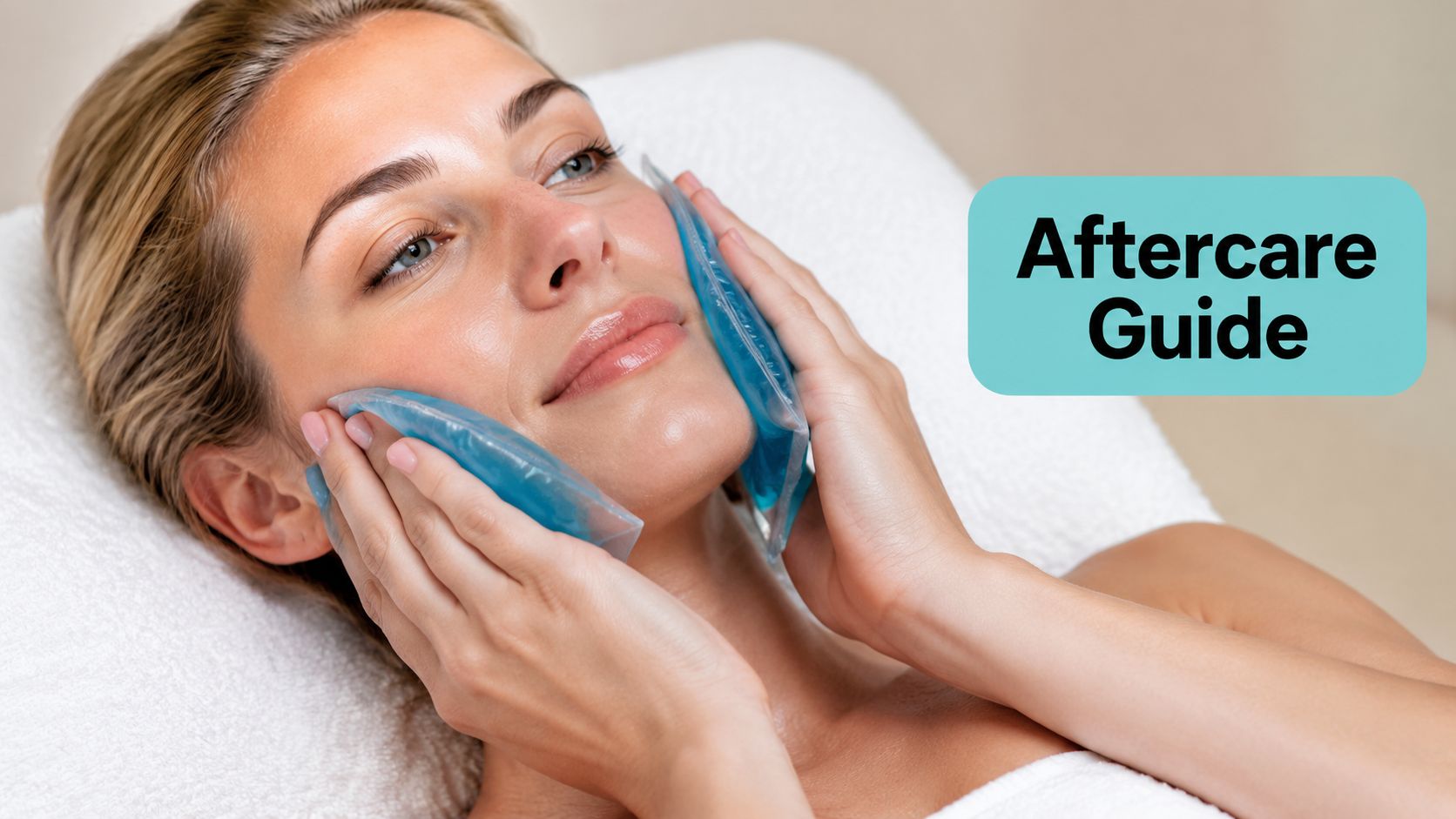
Master dermal fillers aftercare with do's and don'ts, swelling tips, activity limits and warning signs to protect your results and heal smoothly.

September 8, 2026
Ensuring Safety: Why Your Surgeon's Credentials Matter Most

Cape Cod Plastic Surgery offers expert cosmetic and reconstructive procedures in a safe, accredited setting. Led by Dr. Marc Fater, we combine advanced techniques with personalized care to help you look and feel your best.
Monday: 9:00 AM – 5:00 PM
Tuesday: 9:00 AM – 5:00 PM
Wednesday: 9:00 AM – 5:00 PM
Thursday: 9:00 AM – 5:00 PM
Friday: 9:00 AM – 5:00 PM