

September 9, 2026
How to Care for Surgical Incisions Properly
Expert Guide to Proper Surgical Incision Care
Feb 9, 2026

Tackling smile lines for good isn't about just one magic bullet. It’s a smart combination of daily prevention, powerhouse skincare, and, when you’re ready, professional treatments. The best game plan uses everything from at-home topical retinoids and religious sunscreen use to in-office options like dermal fillers for instant volume and laser treatments to rebuild collagen from the inside out.

Before we jump into treatments, let's get to the bottom of why those lines show up in the first place. You might know them as laugh lines or nasolabial folds, and they’re a completely natural part of your face—a roadmap of every smile and laugh you’ve shared. But certain factors can make them stick around long after the smile has faded.
It all starts with the natural aging process. As the years go by, our skin’s production of collagen and elastin slows way down. Think of these two proteins as the dynamic duo for youthful skin: collagen is the framework that keeps it firm, while elastin gives it that snap-back-into-place quality. When you have less of both, the skin starts to lose its support system, becoming thinner and more likely to sag and crease.
Then there are the expressions themselves. Every time you smile, the skin around your mouth folds along the same lines. When you’re young, your skin is resilient and bounces right back. But after thousands of smiles over decades, and with less collagen to plump things up, those temporary creases start to set in permanently.
Aging is a given, but a few key culprits can hit the fast-forward button on smile lines, making them deeper and more defined than they need to be. Knowing what they are is your first line of defense.
Sun Exposure: This is, without a doubt, the number one enemy of youthful skin. The sun’s UV rays are notorious for breaking down the collagen and elastin you already have—a process called photoaging. This assault weakens the skin’s very structure, making wrinkles form much faster. That’s why learning how to repair sun damage is a non-negotiable part of any plan.
Lifestyle Choices: Certain habits are incredibly tough on the skin. Smoking, for instance, narrows your blood vessels, which literally starves your skin of the oxygen and nutrients it needs to stay healthy. A poor diet, not drinking enough water, and skimping on sleep also throw a wrench in your skin's ability to repair itself overnight.
Genetics: Let’s be honest—some of it just comes down to the genes you were born with. Your inherited facial anatomy and skin type can predispose you to developing more noticeable nasolabial folds. For a closer look at the anatomical reasons, we have a complete guide on what causes nasolabial folds.
The combination of volume loss in the cheeks, diminished skin elasticity, and years of repetitive muscle movements creates the "perfect storm" for the development of smile lines. Addressing these root causes is key to achieving a smoother appearance.
Once you understand that smile lines are a result of both internal aging and external factors, you can create a much more powerful strategy. This knowledge helps you choose the right treatments and build habits that will protect your skin for the long haul.
While professional treatments can deliver dramatic results, don't ever underestimate the power of a consistent, high-quality skincare routine. Think of it this way: your daily habits are the foundation. They’re what will maintain smooth skin and make any in-office procedures you get last so much longer.
Crafting the right regimen isn’t about cluttering your counter with a dozen products. It’s about using a few key ingredients, in the right order, to get the job done.
A smart routine directly targets the two main culprits behind smile lines: collagen loss and dehydration. By using specific active ingredients, you can actually encourage your skin to produce more collagen, drench it with hydration, and shield it from future damage. This is always the best place to start.
Your morning routine is all about protection and hydration. The goal is to create a shield against environmental stressors like UV rays and pollution while locking in enough moisture to keep your skin looking plump and fresh all day.
Here’s what really matters in the morning:
A simple but powerful morning routine looks like this: cleanse, apply Vitamin C serum, layer on your hyaluronic acid, and then finish with a generous amount of sunscreen. This combo is your best defense against the daily factors that speed up aging.
Nighttime is when your skin switches into repair mode. This is your opportunity to support that natural renewal process with ingredients that kick-start cell turnover and rebuild your skin's underlying structure.
The most impactful skincare happens while you sleep. Your body's regenerative processes are at their peak, making it the perfect time to apply powerful ingredients like retinoids and peptides that work to repair and rebuild your skin's foundation.
This is where you bring in the heavy hitters. A solid evening plan needs to include:
How you layer these matters. For example, apply your retinol to clean, dry skin and give it a few minutes to absorb completely. Then, follow up with a peptide-rich moisturizer to lock in hydration and keep your skin barrier happy. Just remember to be patient—consistency is everything here. You’ll likely need 3-6 months of dedicated use to see the full, impressive results from an ingredient like retinol.
When your at-home skincare routine isn't quite cutting it anymore, injectables are often the next logical step. For many of my patients, they provide the most dramatic and immediate improvement for smile lines, directly tackling the volume loss and muscle activity that creams and serums just can't reach.
Deciding if this path is right for you starts with understanding the two main tools we use: dermal fillers and neuromodulators like Botox.
This isn't a one-size-fits-all approach; it's a highly nuanced art. A skilled injector like Dr. Marc Fater uses these tools with incredible precision to restore youthful contours and soften lines in a way that looks entirely natural. The goal is never to change your face, but simply to refresh it by addressing the specific anatomical changes that happen over time. It's a delicate balance of science and artistry.
For most people bothered by smile lines, the real culprit is a loss of volume in the mid-face. This is where dermal fillers, especially those made from hyaluronic acid (HA), truly shine. Hyaluronic acid is a substance your body already produces, making these fillers both biocompatible and very safe.
Think of it this way: as we age, the fatty pads in our cheeks shrink and start to sag, causing the skin above to fold. Dermal fillers work by literally "filling in" these depleted areas. A product like Juvéderm can be strategically placed to:
The treatment itself is fast, usually done in under 30 minutes. We typically apply a topical numbing cream beforehand to keep you comfortable. While you might see some minor swelling or bruising, the results are visible almost immediately and can last anywhere from 6 to 18 months, depending on the product and your own metabolism.
While fillers are the main players for static smile lines, neuromodulators like Botox can sometimes play a fantastic supporting role. Botox works by temporarily relaxing specific muscles. When it comes to smile lines, it can be used to soften the pull of small muscles around the nose that lift the upper lip, which can sometimes deepen the folds.
This is a more advanced technique and is only right for certain people whose lines are really exaggerated by muscle movement. Using Botox here requires an expert hand to avoid affecting your natural smile.
A personalized consultation is non-negotiable. An experienced injector will analyze your unique facial structure, skin quality, and the specific cause of your smile lines to determine whether fillers, Botox, or a combination of both will deliver the most beautiful and natural-looking result.
Making the right call here is what leads to a successful outcome that truly complements your features.
Before we dive into a comparison, it's worth noting that any injectable treatment works best when supported by a solid skincare routine. This visual guide lays out the foundational steps.

A structured approach—protective care during the day and restorative treatments at night—is key to maintaining healthy skin and prolonging your results.
To help you understand the key differences, here's a quick comparison of the two main injectable options.
Ultimately, the choice between Botox and fillers—or using them together—comes down to your individual anatomy. For a more detailed breakdown, you can learn more about the differences between Botox and dermal fillers on our blog.
While injectables are fantastic for adding lost volume right where you need it, sometimes the best strategy for smile lines is to improve the skin's overall quality and texture from the outside in. That's where skin resurfacing treatments really shine.
The basic idea is simple but incredibly effective: we create a controlled, micro-injury to the skin, which tells your body’s natural healing processes to get to work building fresh collagen. Think of your skin’s support structure like a mattress—over time, the springs weaken and things start to sag. Resurfacing encourages your skin to rebuild that internal support system, leading to a firmer, smoother surface.
This approach is ideal if your concerns go beyond just a few specific lines and you also want to tackle issues like uneven texture, old sun damage, or a general lack of firmness. At Cape Cod Plastic Surgery, we often pair these treatments with others to create a comprehensive plan that delivers much better results than any single treatment could alone.
Microneedling, often called collagen induction therapy, is a go-to treatment for a reason. It's minimally invasive, boasts little to no downtime, and delivers impressive results. Using a special device, we create thousands of tiny, invisible punctures in the skin's top layer.
These micro-channels kickstart your body's wound-healing response. Your system immediately sends signals to produce new, healthy collagen and elastin to "repair" the area. With a series of treatments, this process rebuilds your skin’s foundation from the inside out, helping to thicken the dermis and soften the look of nasolabial folds.
I often recommend microneedling as a fantastic starting point for skin resurfacing. It's safe for nearly every skin type and works with your body's own regenerative abilities to improve texture and firmness, making it a cornerstone treatment for long-term skin health.
As a bonus, those tiny channels allow your at-home skincare products to penetrate much more deeply, making your serums and creams work even harder for you.
When you’re looking for a more significant improvement in skin texture, fractional lasers and medical-grade chemical peels are powerhouse options. Both work by removing the outer, damaged layers of skin to let the healthier, smoother skin underneath come to the surface, but they get there in different ways.
Fractional Laser Resurfacing: This technology is incredibly precise. It delivers columns of laser energy deep into the skin while leaving the surrounding tissue untouched, which dramatically speeds up healing. Lasers are amazing for stimulating intense collagen production and are especially effective for tightening the skin and smoothing out both deep wrinkles and fine lines.
Medical-Grade Chemical Peels: Peels rely on a specialized chemical solution to gently dissolve the bonds holding old, dead skin cells to the surface. By clearing away that dull outer layer, a peel can dramatically improve skin tone, texture, and the appearance of more superficial lines. The strength of the peel is always customized to your specific skin type and goals. You can see a full breakdown in our article on laser resurfacing versus chemical peels.
The demand for these kinds of treatments is growing fast. The global facial rejuvenation market is already valued at USD 21.82 billion, and while injectables are still number one, we’re seeing a massive 34.2% increase in micro-ablative resurfacing procedures. It’s clear people want treatments that improve overall skin quality, not just fill lines.
For those looking into advanced skin resurfacing techniques, a Dermaflash Enhancement can provide a refreshed complexion by exfoliating the skin. Deciding between these powerful options really comes down to your goals, skin type, and how much downtime you’re comfortable with—all things we’ll talk through during your consultation.

There comes a point when topicals, fillers, and even energy-based treatments just don't pack the punch they used to. If you're dealing with significant skin laxity and deep nasolabial folds, it might be time to think about a more definitive, structural solution.
Surgical procedures like a facelift or mini-facelift are in a different league altogether. They aren't about just filling a line; they're about physically lifting and repositioning the underlying facial tissues—what we call the SMAS layer—that have started to droop with gravity and age.
By tightening this foundational support system and removing excess skin, a surgeon can smooth out those deep creases for a refreshed, natural look. The results are powerful and can easily last for a decade or more, turning back the clock in a way that non-surgical options simply can't.
A facelift, or rhytidectomy as it’s technically known, remains the gold standard for comprehensively addressing facial aging. We make tiny, well-hidden incisions, usually tucked along the hairline and into the natural curves around your ear, to access that deeper SMAS layer.
Once there, the real work begins. We lift and secure this tissue into a higher, more youthful position. After that foundation is reset, we gently redrape the skin over it, trim away any excess, and close the incisions. It's a total rejuvenation that takes care of smile lines, sagging cheeks, and jowls all at once.
For those who are just starting to see these changes, a mini-facelift is an excellent, less extensive alternative. It uses shorter incisions and focuses its lifting power on the lower face and jawline, making it perfect for patients who don’t yet need a full lift.
Making the decision to have surgery is a big one, and it isn't for everyone. The best candidates for a facelift or mini-lift are usually people who:
It’s also important to remember that surgery addresses sagging, not necessarily the fine texture or quality of your skin. That's why many of our patients get the best overall result by combining a facelift with skin resurfacing treatments, like a laser or chemical peel, down the line.
Choosing a surgical path is a personal journey that begins with a detailed, honest conversation. The goal of a consultation with a board-certified plastic surgeon like Dr. Fater is to fully understand your concerns and create a plan that aligns perfectly with your aesthetic goals.
This initial meeting is everything. It's your chance to see real before-and-after photos, get a feel for the recovery process, and make sure you have complete confidence in your surgeon and your decision.
Recovering from a facelift is a process, not an event. You should expect some bruising and swelling, which is usually most noticeable for the first one to two weeks. Most people feel ready to be back out in public within about 14 to 21 days, though you’ll need to hold off on strenuous exercise for at least four to six weeks.
The final results, however, are absolutely worth the wait. As the swelling goes down, a smoother, firmer, and beautifully rested facial contour emerges. The goal is always to look incredibly natural—just a more refreshed version of yourself.
While surgery is a significant investment, the demand for less invasive options continues to boom. Dermal fillers, for example, have become the go-to for many people who aren't ready for surgery. The global market for them hit USD 6.78 billion and is projected to more than double to USD 12.79 billion by 2032. This explosive growth shows just how many people are seeking effective ways to manage smile lines. You can discover more insights about dermal filler trends and see why their popularity keeps rising.
When you start looking into how to soften those lines around your mouth, a lot of questions pop up. It’s completely normal. Here at Cape Cod Plastic Surgery, we’ve heard just about all of them. So, we've put together some straightforward answers to the questions we get asked most often, helping you feel more comfortable and in control as you think about your next steps.
This is, without a doubt, one of the first things people ask. And for good reason! The great news is that for most non-surgical options, the discomfort is surprisingly minimal. We go to great lengths to make sure you're comfortable from start to finish.
Take injectables, for example. Before we do anything, we'll apply a powerful topical numbing cream to the area for about 20-30 minutes. The dermal fillers we use also have lidocaine mixed right in, which numbs the area as we work. Most of our patients tell us it just feels like a tiny pinch or a bit of pressure, but definitely not real pain.
Even with treatments like microneedling, that same topical anesthetic makes a world of difference. The sensation is often described as feeling like fine-grit sandpaper gliding over the skin—a little strange, but not painful. For laser resurfacing, we combine the numbing cream with a special device that blows cold air onto your skin during the procedure, keeping you comfortable the entire time.
Any medical treatment, no matter how simple, has potential side effects. Knowing what to expect is just part of making a smart decision. The good news is, for the most popular smile line treatments, the side effects are usually very mild and don't stick around for long.
Here’s a realistic look at what you might experience:
Following your aftercare instructions is non-negotiable. Simple things—like staying out of the sun, using the gentle skincare products we recommend, and drinking plenty of water—can make a huge difference in minimizing side effects and locking in those beautiful results.
When you’re in the hands of an experienced, qualified provider like Dr. Fater, serious complications are extremely rare. During your consultation, we’ll go over your full medical history and discuss any potential risks so you have all the facts.
This is a big one, as it really influences which path you take. It helps to think of treatments in two buckets: those that require regular upkeep and those that deliver a more permanent change.
Treatments That Need Maintenance
Longer-Lasting Solutions
The investment for treating smile lines can run from a few hundred dollars to several thousand. The final cost really boils down to what treatment you choose, how many sessions you'll need, and even where the practice is located.
For perspective, dermal fillers are priced by the syringe, and treating nasolabial folds might require one or two syringes. Energy-based treatments like microneedling or lasers are often bundled into cost-effective packages. A surgical procedure like a facelift is a more significant upfront investment, but it also delivers the most dramatic and long-lasting change.
When you come in for your consultation at Cape Cod Plastic Surgery, we'll give you a clear, itemized quote with no hidden fees. We want you to have all the information you need to make a choice that aligns with both your aesthetic goals and your budget.
Ready to explore your options with an expert? The team at Cape Cod Plastic Surgery is here to create a personalized plan that helps you achieve the natural, refreshed look you deserve. Schedule your consultation with us today by visiting https://ccplasticsurgery.com.
September 9, 2026
Expert Guide to Proper Surgical Incision Care
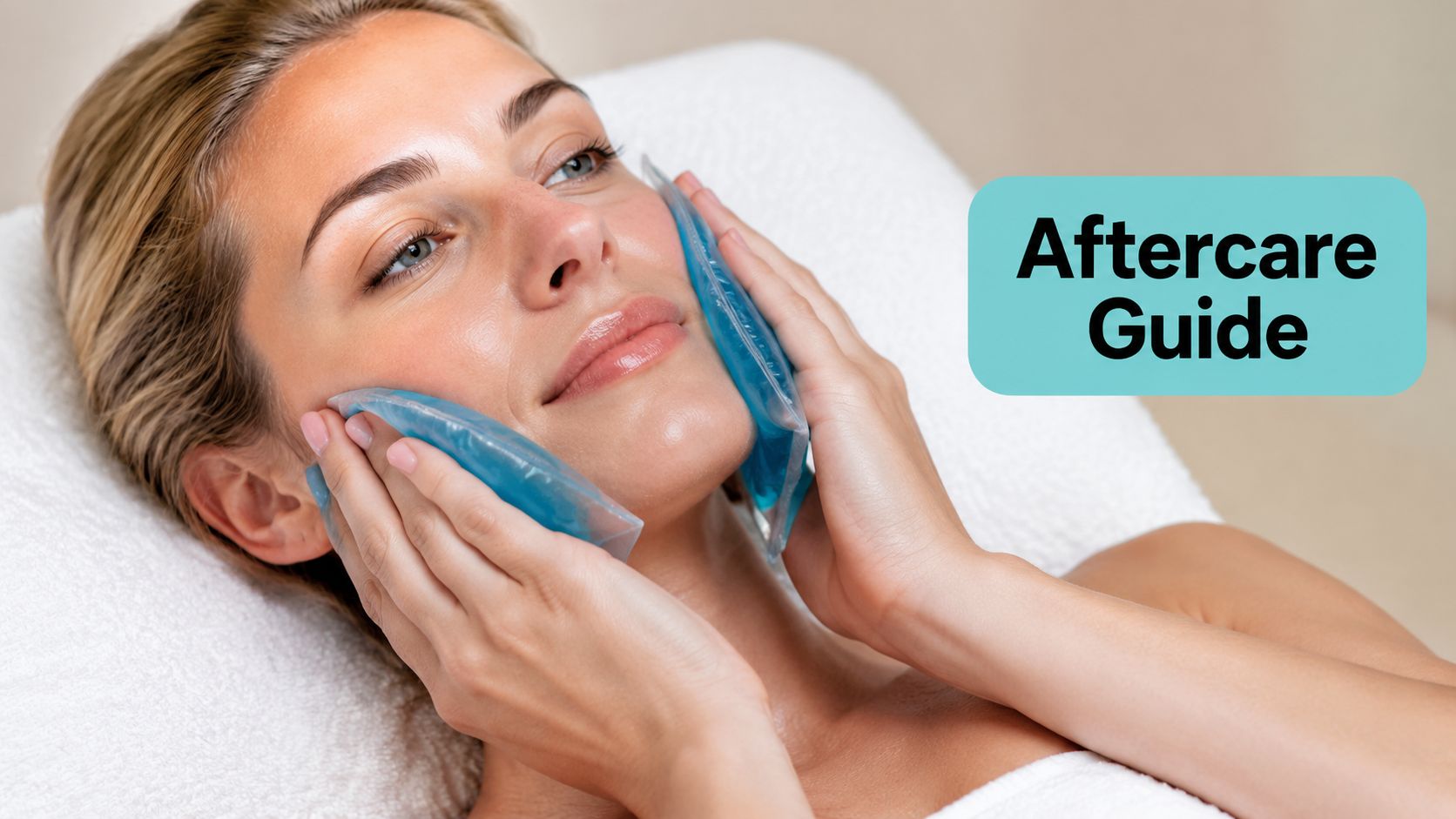
Master dermal fillers aftercare with do's and don'ts, swelling tips, activity limits and warning signs to protect your results and heal smoothly.

September 8, 2026
Ensuring Safety: Why Your Surgeon's Credentials Matter Most
Cape Cod Plastic Surgery offers expert cosmetic and reconstructive procedures in a safe, accredited setting. Led by Dr. Marc Fater, we combine advanced techniques with personalized care to help you look and feel your best.
Monday: 9:00 AM – 5:00 PM
Tuesday: 9:00 AM – 5:00 PM
Wednesday: 9:00 AM – 5:00 PM
Thursday: 9:00 AM – 5:00 PM
Friday: 9:00 AM – 5:00 PM