

September 9, 2026
How to Care for Surgical Incisions Properly
Expert Guide to Proper Surgical Incision Care
Dec 11, 2025
The first step toward a smooth, successful recovery is knowing exactly what’s ahead. It’s less about waiting and more about actively participating in a series of predictable, manageable stages. When you know what to expect, you can approach your healing journey with confidence and a clear focus on taking care of yourself.
Think of your recovery timeline as a roadmap. Knowing the key milestones along the way helps you feel prepared for the journey from the operating room to your final, beautiful results. This isn't a race; it's a gradual process that respects your body's incredible ability to heal.
Each phase, from the first 24 hours to the weeks that follow, will bring noticeable changes. At first, your world will shrink a bit—your main job is simply to rest and stay comfortable. As the days and weeks pass, you’ll slowly and carefully reintroduce your normal activities, always following our team’s guidance to ensure you don’t do too much, too soon.
The very beginning of your recovery is the most intense phase. This is when your body is working overtime to heal incisions and adjust to the surgical changes.
Every patient's recovery is unique, shaped by both their own body and the specific procedure they had. Someone with a less invasive procedure might feel great in a week, while another person needs a bit more time. Patience is truly your best friend here.
This general timeline gives you a bird's-eye view of how recovery progresses.
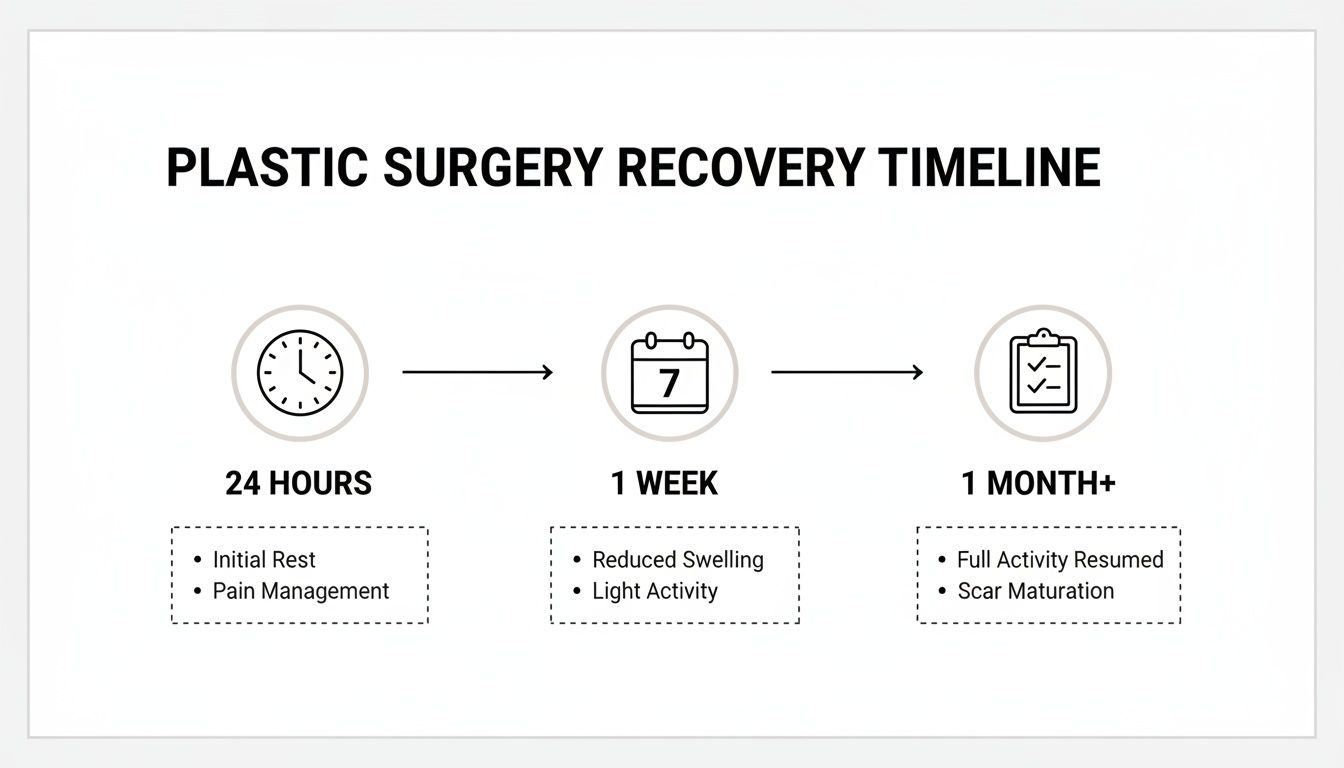
As you can see, the focus shifts from pure rest in the beginning to a gradual and steady return to your normal life over the following weeks.
How long your recovery takes really depends on the surgery you’ve had. A non-surgical treatment like Botox might have you back to your routine the same day, while more involved surgeries require a bigger commitment to healing.
For a clearer picture, here's a quick look at what you can generally expect for some of our most common procedures.
Keep in mind, these are just general guidelines. Your personal timeline will always be based on your specific procedure and how your body is healing.
Having a good grasp of these timelines is key. For a deeper dive, our guide to the breast augmentation recovery timeline breaks down that specific process week by week. Knowing these benchmarks ahead of time helps you plan for time off work and arrange for help at home, setting the stage for a calm and stress-free recovery.
The first few weeks after your surgery are really the most important part of your recovery. This is when your body is working its hardest, and your main job is to create the perfect environment for that healing to happen. Think of it as a team effort—your body is handling all the complicated internal repairs, and you're providing the rest, nutrition, and care it needs to do its job well.
This guide will walk you through what to expect during that first month. We’ll break it down with a day-by-day look at the first week, and then a week-by-week overview. Knowing what’s coming can make the whole process feel much more manageable and a lot less scary. The idea is to move through this time with confidence, knowing that every day brings you one step closer to your final, beautiful result.
The first seven days are when you'll see and feel the most dramatic changes. Discomfort, swelling, and bruising are completely normal, but you'll notice them start to get better day by day.
Day 1-2: The Rest PhaseHonestly, your only jobs right now are to rest and manage any discomfort. You’re going to feel pretty groggy and sore, so the key is to stay ahead of the pain. Take your prescribed medication on schedule—don't wait for the pain to ramp up before you take something. The only moving you should do is short, slow walks around the house every so often. This is just to keep your circulation going and help prevent blood clots.
Day 3-4: Turning the CornerMany of our patients tell us that by day three, they really start to feel a shift. The discomfort begins to fade noticeably. Swelling might actually peak around this time, which is normal, but you'll start feeling a bit more like yourself. Just keep focusing on rest, drinking plenty of water, and those same gentle movements.
Day 5-7: Gaining IndependenceBy the end of the first week, you should be feeling significantly better. You'll likely find you don't need the pain medication as often, and your energy will slowly start to come back. While you’ll still see some swelling and bruising, it should be visibly improving. Depending on your specific procedure, we might have you come in for your first follow-up appointment around this time.
Key Takeaway: The first week is a marathon, not a sprint. Please be patient with your body and give it the time and support it needs. Doing too much, too soon can actually set your recovery back, so make rest your absolute top priority.
After that first intensive week, your recovery starts to shift. You’ll be moving away from constant rest and gradually re-introducing parts of your normal life. Each week brings new milestones and a little more freedom.
Week 2: A Gradual Return to NormalcyYou'll see a major reduction in swelling and bruising this week. Many people feel well enough to head back to a desk job or other light-duty work. You'll feel more mobile, but it's so important to continue avoiding any heavy lifting, tough workouts, or anything that puts a strain on your incisions. If you have sutures that need to be removed, we typically do that this week.
Week 3: Feeling More Like YourselfBy the third week, most of the obvious signs of surgery have faded. We can usually clear you to resume more of your daily routine, like longer walks and some light exercise. Even though you'll feel much better, remember that you are still healing on the inside. Listen to your body's signals and don't push it.
Week 4: Expanding Your ActivitiesAt the one-month mark, you are well on your way! Most patients get the green light to resume the majority of their exercise routines, though you'll still want to ease back into anything high-impact. The results of your surgery will become much clearer now as the last of that significant swelling finally goes down.
To make this crucial healing period as smooth and comfortable as possible, a few simple self-care strategies can make a huge difference in your recovery after plastic surgery.
Think of your recovery as an active partnership. Your body is doing the heavy lifting on the inside, but your job is to create the perfect environment on the outside for it to heal properly. Getting a handle on a few key post-op routines isn’t just about checking boxes; it’s about taking an active role in your own healing, keeping yourself comfortable, and ensuring you get the beautiful result you’ve been looking forward to.
This is where you can make a huge difference in your recovery after plastic surgery. When you know how to confidently manage your incisions, swelling, and compression garments, you become the most important member of your own recovery team.
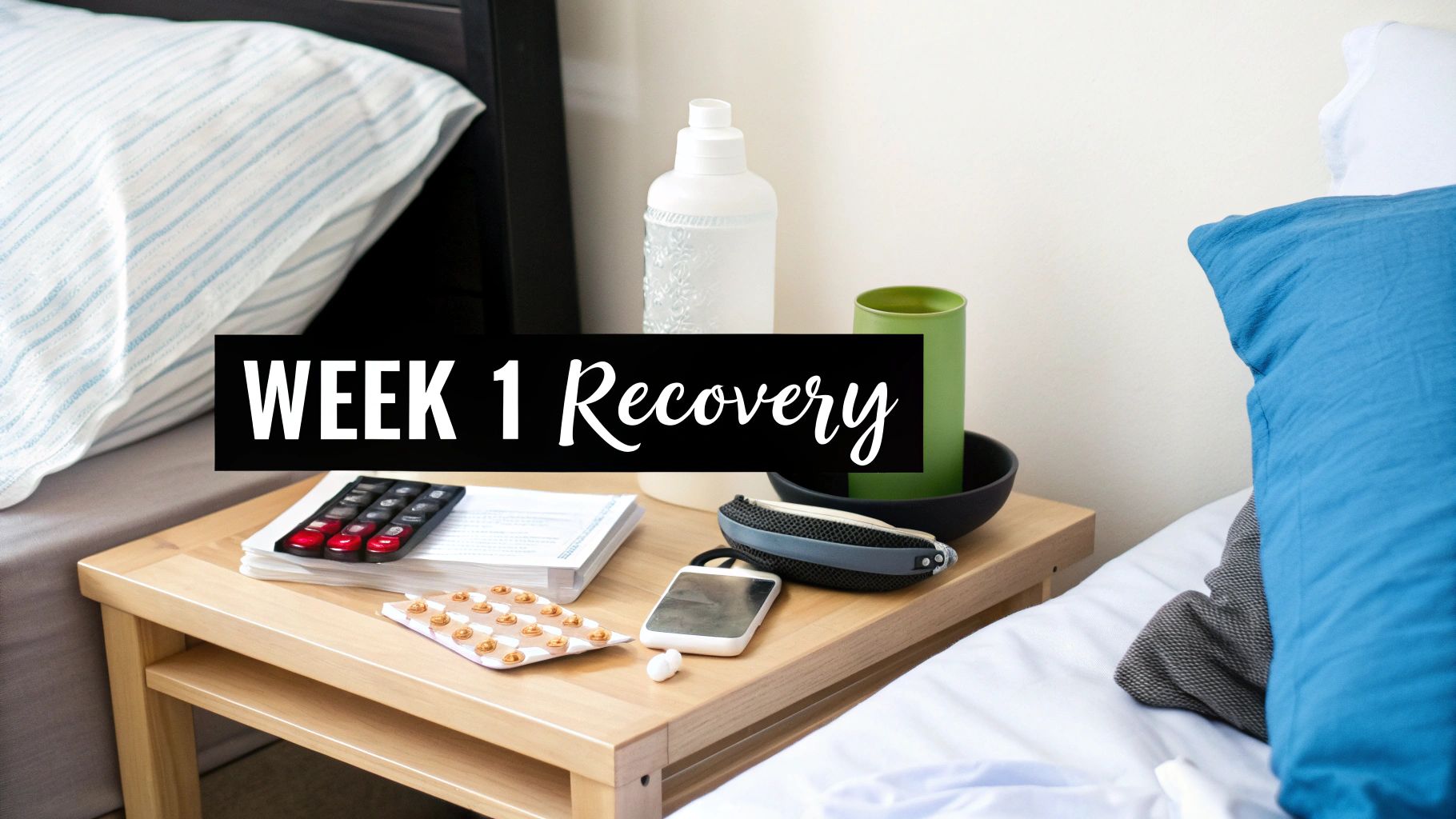
Taking proper care of your incisions is crucial for two big reasons: keeping infection at bay and helping scars heal as discreetly as possible. These areas are delicate, so they need a gentle but consistent touch to stay clean and protected.
We will give you very specific instructions based on your procedure, and it’s vital that you follow them to the letter. This usually means carefully cleaning the site with a special solution and applying fresh, sterile dressings on schedule. The idea is simple: create a clean, protected space so your skin can knit itself back together beautifully. For a deeper dive, you can always refer to our guide on https://www.ccplasticsurgery.com/blog/how-to-care-for-surgical-incisions.
Pro Tip: Always, always wash your hands thoroughly with soap and water before and after you touch your incisions or change a dressing. It’s the single most effective thing you can do to prevent infection.
Let’s be clear: pain and swelling are totally normal. In fact, swelling is just your body’s way of sending a flood of healing cells and fluids to the area that needs it most. While it’s a good sign, managing it well is the key to staying comfortable and can even help you feel better, faster.
Your prescribed pain medication will be your best friend, especially in those first few days. Beyond that, a couple of simple techniques can work wonders:
Getting a handle on pain and swelling is a cornerstone of a smooth recovery. It’s also helpful to have a good grasp of understanding when to use heat therapy versus cold therapy, as we sometimes introduce gentle heat later in the healing process once you have our go-ahead.
After many procedures, especially body contouring like a tummy tuck or liposuction, you’ll be sent home in a special compression garment. It might feel a bit tight at first, but it is one of the most important tools in your recovery kit.
Think of it as giving your healing tissues a constant, supportive hug. This gentle pressure is doing several important jobs at once:
Wearing your compression garment exactly as we direct is non-negotiable if you want the best possible result. It’s an essential tool that plays a direct role in your final aesthetic outcome by making sure everything heals right where it’s supposed to.
A comfortable and successful recovery after plastic surgery starts well before your actual procedure. Taking some time to prepare your home beforehand can make a world of difference in your comfort and stress levels. When you thoughtfully arrange your space, you’re not just cleaning up; you’re creating a personal healing sanctuary where you can focus on one thing: resting.
This prep work means that when you get home, your only job is to heal. Everything you need will be right where you can reach it, so you won’t be tempted to stretch, strain, or do too much, too soon.
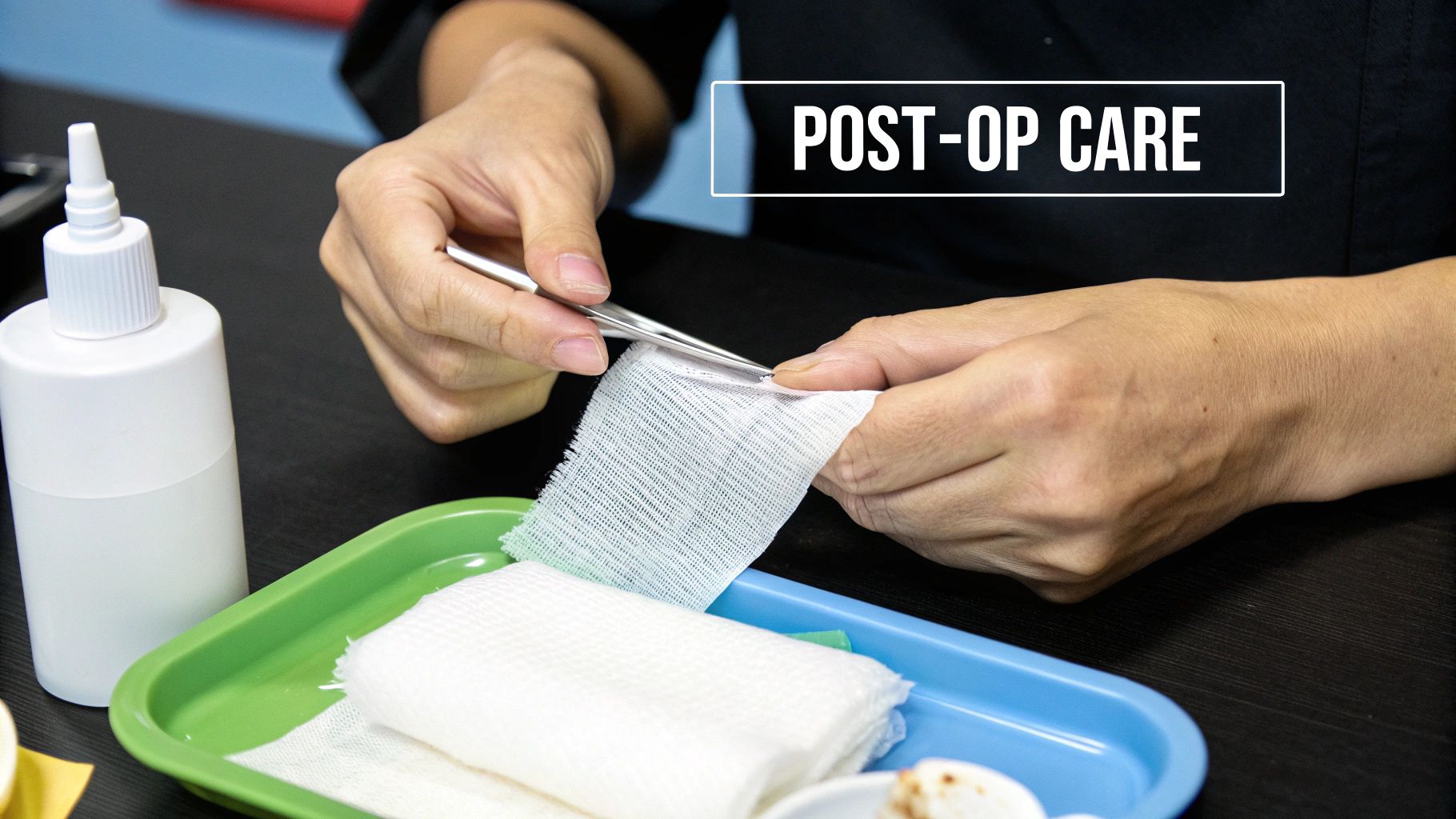
Your main recovery spot—whether it's your bed or a cozy recliner—is going to be your home base. You’ll be spending most of your time here for the first few days, so making it as comfortable and convenient as possible is key.
The idea is to build a "recovery nest" where you can relax without having to get up for every little thing. Set up a small table right next to your spot and load it up with everything you'll need for the next few hours.
Your nest should include:
Your body is going to need good fuel to repair itself, but you probably won't feel up to cooking. Set yourself up for success by stocking your kitchen with nutritious, easy-to-prepare foods that help the healing process along.
Focus on foods that are high in protein to help with tissue repair and rich in vitamins and antioxidants to bring down inflammation. Good nutrition can genuinely speed up your recovery.
By getting simple meals and snacks ready ahead of time, you eliminate a huge source of stress. It allows you to eat well and give your body what it needs without having to stand over a stove.
Here are a few healing-focused grocery items to consider:
The last thing you want to be wrestling with is a tight shirt or a bottle of shampoo on a high shelf. A few simple adjustments to your closet and bathroom can make your daily routine so much easier.
Choose clothing that is loose-fitting and easy to get on and off. Think zip-up or button-down tops, soft sweatpants, and slip-on shoes. Definitely avoid anything you have to pull over your head, especially if you've had facial or breast surgery.
In the bathroom, move your daily essentials—like your toothbrush, toothpaste, and any prescribed ointments—onto the counter or a low, easy-to-reach shelf. This simple move prevents you from having to bend over or reach up high, which could put a strain on your incisions. A shower chair can also be a huge help for staying safe and steady.
Your role in your own recovery after plastic surgery is incredibly important. While our team does everything to ensure a smooth process, knowing what to look for empowers you. It's about spotting the difference between what's normal for healing and what might be a sign to call us. This knowledge doesn't just give you peace of mind; it makes you a proactive partner in your care.
Think of it this way: your surgeon provides the map, but you're the one navigating the day-to-day journey. By recognizing an unusual sign early, you can alert us immediately, and we can make any necessary adjustments to keep you on the right path.

Your body has its own way of signaling when something isn't quite right. Please don't hesitate to contact our office if you experience any of the following symptoms.
Signs of a Potential Infection:
A little bit of clear or light pink fluid can be perfectly normal in the early days, but pay close attention to the color, consistency, and amount.
Signs of a Hematoma or Seroma:
A hematoma is a pocket of blood, and a seroma is a collection of fluid. Both can happen after surgery, and if they do, your surgeon may need to drain them to allow your body to heal correctly.
A more serious, though rare, complication is a blood clot in the leg, known as deep vein thrombosis (DVT). It’s crucial that you know the symptoms.
A DVT often shows up as significant pain, swelling, warmth, and tenderness in your calf or thigh, usually just on one side. If you notice these signs along with any shortness of breath or chest pain, seek emergency medical care immediately, as it could mean a clot has moved to your lungs.
We are meticulous about minimizing this risk, but your awareness is a critical layer of safety. To learn more about what you can do, take a look at our guide on preventing blood clots after surgery.
Seeing these risks listed out can feel a bit overwhelming, but let's put it into perspective. A major review of over 4,200 procedures found that the overall rate of complications was only 2.2% per procedure. The point of sharing this isn't to create anxiety but to prepare you. Knowledge is power. Of course, one of the most important things you can do is attend all your follow-up appointments, which allow our team to monitor your progress and catch any tiny issue before it becomes a real problem.
Choosing a plastic surgeon is about so much more than the procedure itself. You're really choosing a partner for your entire recovery after plastic surgery, and that's a responsibility we take seriously. Here at Cape Cod Plastic Surgery, we believe world-class care continues long after you've left the operating room.
Our entire philosophy is built around giving you unwavering support, safety, and peace of mind from the moment you walk through our doors until you're fully healed.
This is exactly why we invested in our own on-site, AAAASF-accredited surgical suite. For us, operating in a facility that meets the absolute highest national standards for safety isn't just a preference—it's a must. It means you get top-tier medical care in a private, comfortable, and meticulously sterile environment, which helps reduce your stress and puts your safety first.
Your healing journey truly begins the moment you head home, and we're right there with you for every step. We've developed a structured follow-up schedule designed to keep a close eye on your progress and make sure everything is healing just as it should.
During these critical post-op appointments, we will:
Your follow-up appointments are a vital part of your care. They are our opportunity to catch any potential concerns early and make sure you remain comfortable, confident, and on track for a beautiful result.
Think of our team as your dedicated resource throughout your entire recovery. We give you clear, direct contact information and genuinely encourage you to call with any question or concern, no matter how small it might seem. Feeling completely supported by an accessible team of experts is a cornerstone of the experience we provide.
Our goal is simple: we want you to feel confident and cared for long after your surgery is over.
It's completely normal to have a lot of questions as you prepare for your surgery and recovery. Feeling prepared is a huge part of a smooth healing process, so we've gathered some of the most common questions we hear from our patients every day.
This is always one of the first things people want to know! The answer really depends on what procedure you've had, but many of our patients get the green light for a gentle shower within 24 to 48 hours.
The most important thing is to protect your incisions. We want to keep them dry and safe from the direct spray of the showerhead to prevent infection. We'll give you very specific instructions, which often involve using waterproof dressings, so you can feel fresh without putting your healing at risk.
Scar healing is a marathon, not a sprint. It’s a process that unfolds over time, and it’s important to be patient. Most scars take a full year, sometimes even a bit longer, to fully mature and settle into their final appearance.
At first, scars will look red and might even be a little raised. But over the next several months, you’ll see them gradually soften, flatten, and lighten in color.
The single best thing you can do for your scars is to follow our care plan to the letter. This usually means using silicone-based products and, most critically, protecting the area from the sun with a strong, high-SPF sunscreen. Sun exposure is a scar's worst enemy.
Think of food as the fuel your body needs to rebuild and repair itself after surgery. A diet packed with the right nutrients can genuinely make a difference in how well and how quickly you heal.
On the flip side, try to steer clear of extra salt, which can make swelling worse, and processed foods that don't offer much nutritional bang for your buck.
Yes, one hundred percent. The "post-op blues" are a very real and common experience. Your body is dealing with a lot—the lingering effects of anesthesia, the physical discomfort, and seeing yourself swollen and bruised before the beautiful results emerge. It can be an emotional rollercoaster.
The best advice is to be gentle with yourself. Give yourself grace. These feelings are almost always temporary. As the swelling goes down and you start to see your new shape take form, your spirits will lift. But if you're ever feeling persistently sad, please don't hesitate to call our office. We're here to support you.
At Cape Cod Plastic Surgery, your safety and well-being are our first priority, from your initial consultation all the way through your final follow-up visit. If any other questions pop up, we encourage you to schedule a personalized consultation with our team.
September 9, 2026
Expert Guide to Proper Surgical Incision Care
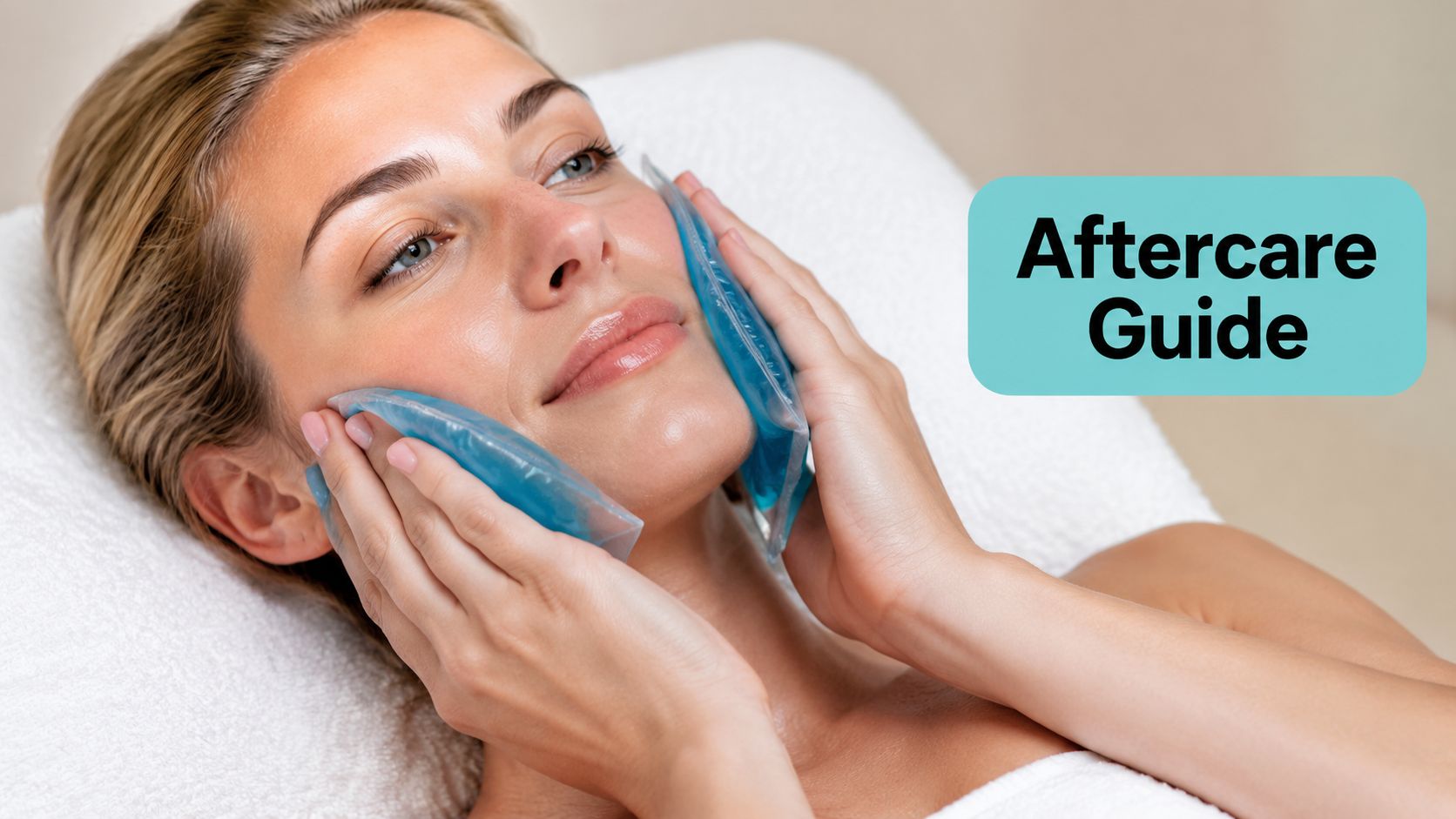
Master dermal fillers aftercare with do's and don'ts, swelling tips, activity limits and warning signs to protect your results and heal smoothly.

September 8, 2026
Ensuring Safety: Why Your Surgeon's Credentials Matter Most

Cape Cod Plastic Surgery offers expert cosmetic and reconstructive procedures in a safe, accredited setting. Led by Dr. Marc Fater, we combine advanced techniques with personalized care to help you look and feel your best.
Monday: 9:00 AM – 5:00 PM
Tuesday: 9:00 AM – 5:00 PM
Wednesday: 9:00 AM – 5:00 PM
Thursday: 9:00 AM – 5:00 PM
Friday: 9:00 AM – 5:00 PM