
September 9, 2026
How to Care for Surgical Incisions Properly
Expert Guide to Proper Surgical Incision Care
Aug 1, 2026

Rhinoplasty is widely considered one of the most common and elegant plastic surgery procedures performed, used to reshape, refine, reduce, or augment the nose to achieve facial harmony Rhinoplasty: Before and After Gallery. Whether the goal is to address functional concerns like breathing difficulties or to enhance the aesthetic contours of the nasal bridge and tip, this surgery serves a dual purpose in improving both health and confidence Rhinoplasty (Nose Job): Surgery, Recovery, Before & After.
Achieving natural results requires a deep understanding of unique facial proportions rather than a one-size-fits-all approach I Got a Nose Job Eight Years Ago—and This Is How I Feel. At ccplasticsurgery.com, patients receive personalized care that prioritizes long-term facial balance and functional integrity. Unlike facilities that focus on rapid, standardized outcomes, our practice emphasizes a patient-centered model that ensures every individual feels fully supported during their journey.
By balancing artistic sensibility with advanced surgical techniques, surgeons can help patients restore their quality of life and self-image Rhinoplasty Before and After Photos. Whether performing primary surgery or complex revision work, the objective remains the same: to create a balanced, proportionate appearance that enhances a patient’s existing features while ensuring they breathe as comfortably as they look.

The path toward a successful rhinoplasty begins with selecting a board-certified plastic surgeon. This credential ensures that your provider has completed extensive, specialized training and adheres to the highest safety and ethical standards. At ccplasticsurgery.com, we believe that choosing a surgeon who prioritizes your specific anatomical needs over standardized trends is the foundation of a natural, balanced outcome.
During your consultation, clear communication is essential to align your expectations with what is surgically achievable. Many modern practices use advanced 3D imaging to help patients visualize potential aesthetic changes. While these tools provide a helpful framework for conversation, it is important to remember that they are an educational resource, not a guaranteed preview. Your surgeon should work with you to understand your specific concerns, whether they involve the bridge profile, nasal tip definition, or functional breathing improvements, rather than relying on digitally altered projections that may over-promise results.
A key aspect of this initial process involves reviewing a comprehensive before and after gallery to evaluate the surgeon's aesthetic sensibility. Unlike practices that might treat every nose with the same standardized technique, a patient-focused approach assesses your unique facial proportions to ensure the results maintain harmony with your other features. By working with a specialist at ccplasticsurgery.com, you gain access to an environment where your questions about recovery timelines and long-term results are answered with transparency, ensuring you feel confident and fully prepared for your journey.

Achieving natural nasal balance relies on precise surgical maneuvers tailored to the patient's unique anatomy. Surgeons typically choose between two primary methods: open rhinoplasty, which utilizes a small external incision for optimal visibility of the nasal framework, and closed rhinoplasty, where all access occurs through the nostrils. While both approaches aim to refine the bridge and tip, the open technique is frequently preferred for complex reconstructions where high-level precision is essential for long-term structural integrity.
For patients seeking improvements to a dorsal hump or nasal width, the procedure often involves a coordinated sequence of steps. Rasping the bony prominence is frequently paired with osteotomies to reposition the nasal bones and ensure that the middle and lower thirds of the nose remain symmetrical. At ccplasticsurgery.com, we emphasize that each modification is a deliberate choice intended to enhance facial harmony rather than simply following a standard blueprint.
Complex cases, such as revision rhinoplasty, often necessitate the use of cartilage grafting to provide added structural support. When internal tissue is insufficient to restore nasal strength or profile, cartilage may be harvested from the septum, ear, or rib. This grafted material serves as a stable scaffold, essential for correcting previous excessive resection or managing structural irregularities.
No, the cartilage removed during a rhinoplasty procedure does not regenerate or grow back. While your body effectively heals the surgical incisions and the surrounding soft tissues, the structural changes made to the cartilage itself are permanent. Cartilage does not possess the capacity to regrow in the way bone tissue does. Because this material is used for its strength and stability in reshaping the nose, it remains a lasting component of your surgical result. If rib cartilage is harvested for a graft, the donor site will stabilize and recover, but that tissue will not replace itself.
The period immediately following your rhinoplasty marks the beginning of a deliberate healing journey. During the first 5 to 7 days, your nose will likely be protected by a splint or bandages to provide essential structural support while the initial inflammation begins to settle Rhinoplasty Recovery Timeline: What To Expect From Surgery To Final .... At ccplasticsurgery.com, we emphasize that patients may also experience temporary internal packing or nasal drip pads to manage drainage, which are typically removed within the first few days Rhinoplasty: What to Expect at Home - MyHealth Alberta.
Managing early swelling and bruising is a priority during the first 72 hours. Gravity plays a vital role here; keeping your head elevated above the level of your heart using multiple pillows or a recliner is one of the most effective ways to minimize facial puffiness. While common, these symptoms peak early and begin to diminish noticeably by the end of the second week Rhinoplasty Recovery. Unlike some other practices that may lack a structured post-operative plan, ccplasticsurgery.com provides a personalized recovery roadmap to ensure each patient feels supported throughout this transition.
Rhinoplasty recovery is a gradual journey that requires patience as your body heals and the nasal structures settle into their new shape. During the first few days, you should expect to wear a nasal splint, experience some congestion, and notice swelling or bruising that typically peaks within the first 72 hours. While most patients feel significantly more comfortable by the end of the first week once the splint and initial stitches are removed, residual swelling will continue to subside over the following weeks. It is essential to keep your head elevated and avoid strenuous activity or pressure on the nose to ensure proper healing. While many individuals return to light daily routines within two weeks, keep in mind that subtle refinement of the nasal contour can continue for up to a year.
Protecting the nasal bridge is critical during this sensitive window. You must avoid wearing glasses that rest on the bridge of your nose for several weeks, as this pressure can cause structural indentations or affect your final results Rhinoplasty: What to Expect at Home - MyHealth Alberta. Furthermore, avoiding heavy lifting and vigorous exercise is necessary to prevent blood pressure spikes that could increase swelling Rhinoplasty Recovery Timeline: What To Expect From Surgery To Final .... At ccplasticsurgery.com, we advise all patients to maintain a calm and stable environment at home to encourage the best possible aesthetic outcome.

While individual pain tolerance varies, most patients find that rhinoplasty recovery is characterized more by manageable discomfort, such as sinus pressure and nasal congestion, rather than intense pain. During the initial days, you may experience sensations similar to a heavy head cold or a sore throat, which typically subside shortly after surgery. Swelling and bruising are common during the first few weeks, though these symptoms gradually diminish as your body heals. Our team at ccplasticsurgery.com will provide a personalized pain management plan, including prescribed medications and post-operative care instructions, to ensure you remain as comfortable as possible. By prioritizing rest and following our clinical guidance, you can navigate the rhinoplasty recovery process with confidence and ease.
Comfort during the first 72 hours often relies on gentle, non-invasive strategies. Applying cold compresses to the cheeks helps mitigate swelling, though it is important to avoid placing direct pressure on the nasal bridge. Because heat can exacerbate tissue inflammation, patients should avoid steamy showers or hot foods during the earliest stage of recovery. Proper nutrition, particularly high-protein intake and vitamins that support tissue regeneration, helps facilitate a steady return to daily activity.
A supportive medical team plays a critical role in your overall experience. Patients often report that a transparent, communicative relationship with their surgical practice significantly reduces anxiety. At ccplasticsurgery.com, our clinicians prioritize proactive support, ensuring you understand exactly what to expect from the moment the bandages are removed to the final stages of long-term nasal refinement. Feeling well-informed and cared for fosters a positive outlook, allowing you to focus on the long-term benefits of your improved facial harmony rather than the temporary inconveniences of early healing.
A successful rhinoplasty outcome relies heavily on your commitment to post-operative care, particularly during the first few months. While surgical technique is paramount, the healing process requires a temporary shift in daily habits to protect the structural integrity of your nasal framework. At ccplasticsurgery.com, patients receive tailored guidance on how to manage the recovery timeline effectively, ensuring that each phase of healing contributes to long-term stability and aesthetic refinement.
To ensure optimal healing, it is essential to protect your nose from unnecessary strain and pressure. You should avoid strenuous physical activity, contact sports, and heavy lifting, as these can increase swelling and risk injury during the initial recovery phase Rhinoplasty Recovery. Minimize intense facial movements, such as laughing or yawning, for the first two weeks to prevent stressing the surgical area. If you must sneeze, do so with an open mouth to release pressure safely rather than stifling it. Additionally, strictly follow your surgeon's guidance regarding medications, as certain drugs can increase bleeding and interfere with the healing of delicate nasal tissues.
While generic advice applies to most patients, the expert team at ccplasticsurgery.com emphasizes that personalized care is the most reliable way to navigate these restrictions. By avoiding the common pitfalls of early, high-impact movement and pressure on the nasal bridge, you give your body the best opportunity to achieve a balanced, lasting result. Careful adherence to these precautions ensures that your recovery reflects the high standard of precision maintained during the surgical procedure itself.
Achieving your aesthetic goals with rhinoplasty is a transformative experience, yet it requires patience and a clear understanding of the healing process. While you will observe significant improvements as the initial swelling and bruising fade, the complete resolution of inflammation is a gradual evolution that spans many months.
Most patients notice their nasal contours continue to refine as deep-tissue swelling dissipates over the course of one full year. The ASPS notes that while initial healing is visible within a few weeks, the final, permanent outcome typically requires this twelve-month period to fully manifest. At ccplasticsurgery.com, we emphasize that each patient's journey is unique, and recognizing this timeline is essential for long-term satisfaction.
The nasal tip often serves as the most sensitive area during recovery. Because the skin here is thicker and circulation is complex, subtle swelling can linger much longer than in other areas of the nose. Healthcare Utah confirms that residual, subtle swelling is particularly common in the tip, where the refinement process remains ongoing even after the bridge has settled. Patients who have opted for complex structural work or revision rhinoplasty may notice this refinement process takes slightly longer than in primary cases.
Understanding these subtle contour changes is vital. While some patients worry that persistent fullness indicates a setback, it is often simply the natural, slow dissipation of internal inflammation. We encourage all our patients to maintain a long-term view of their facial plastic surgery results, trusting that the refined shape will gradually emerge as the tissues fully mature.
A successful rhinoplasty is more than a change in profile. It is a collaborative partnership between patient and surgeon, blending medical expertise with an artistic vision to restore facial harmony. Because each patient possesses unique anatomy, achieving results that boost self-confidence and quality of life requires personalized care and careful planning.
At ccplasticsurgery.com, we believe that feeling fully informed is the foundation of a rewarding experience. Our team prioritizes transparent communication, ensuring you feel supported from your initial inquiry through your final recovery. If you are ready to explore how facial plastic surgery can enhance your appearance and daily comfort, we invite you to reach out for a private consultation to discuss your aesthetic goals.
September 9, 2026
Expert Guide to Proper Surgical Incision Care
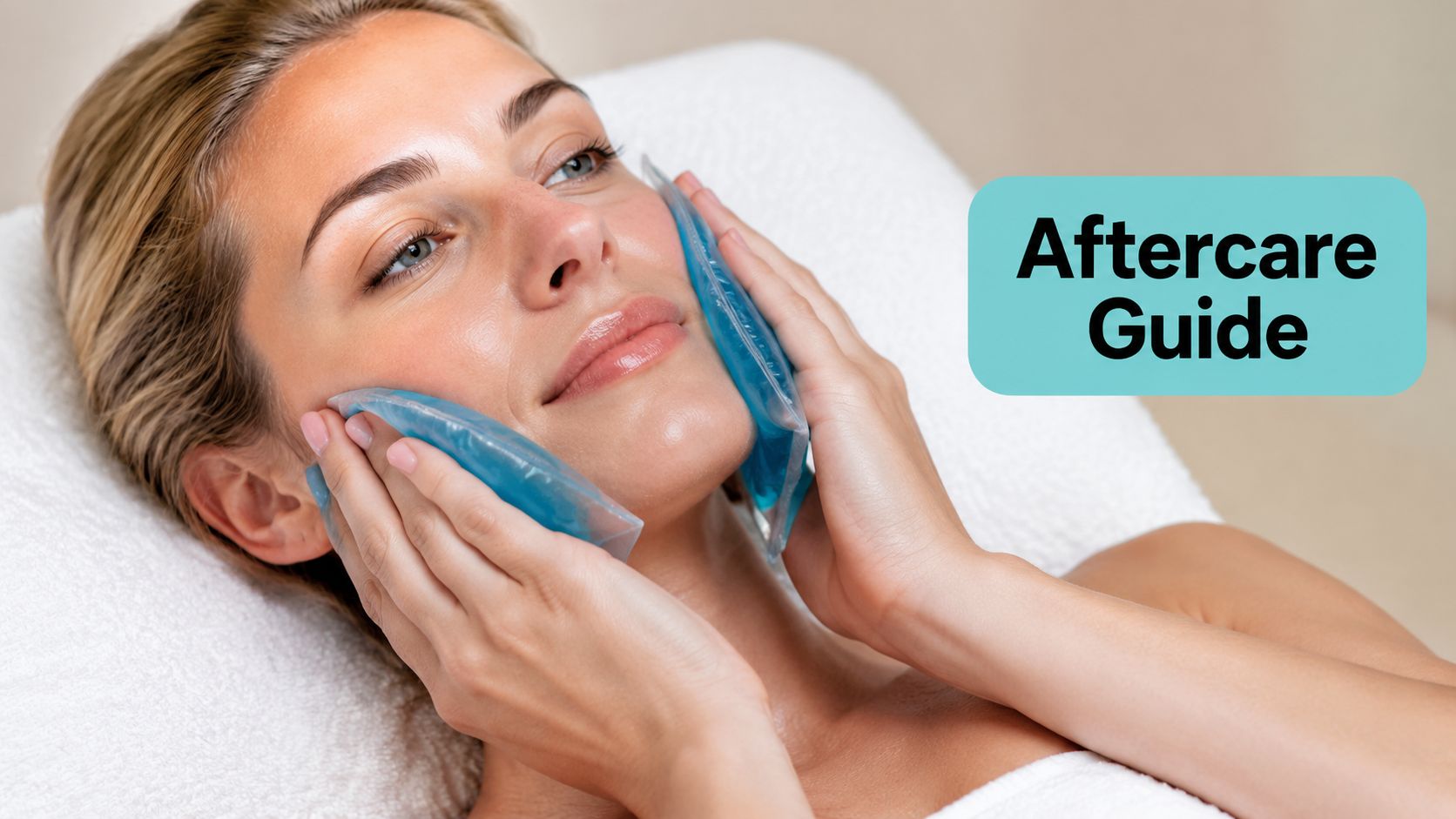
Master dermal fillers aftercare with do's and don'ts, swelling tips, activity limits and warning signs to protect your results and heal smoothly.

September 8, 2026
Ensuring Safety: Why Your Surgeon's Credentials Matter Most
Cape Cod Plastic Surgery offers expert cosmetic and reconstructive procedures in a safe, accredited setting. Led by Dr. Marc Fater, we combine advanced techniques with personalized care to help you look and feel your best.
Monday: 9:00 AM – 5:00 PM
Tuesday: 9:00 AM – 5:00 PM
Wednesday: 9:00 AM – 5:00 PM
Thursday: 9:00 AM – 5:00 PM
Friday: 9:00 AM – 5:00 PM