

September 9, 2026
How to Care for Surgical Incisions Properly
Expert Guide to Proper Surgical Incision Care
Jun 21, 2026
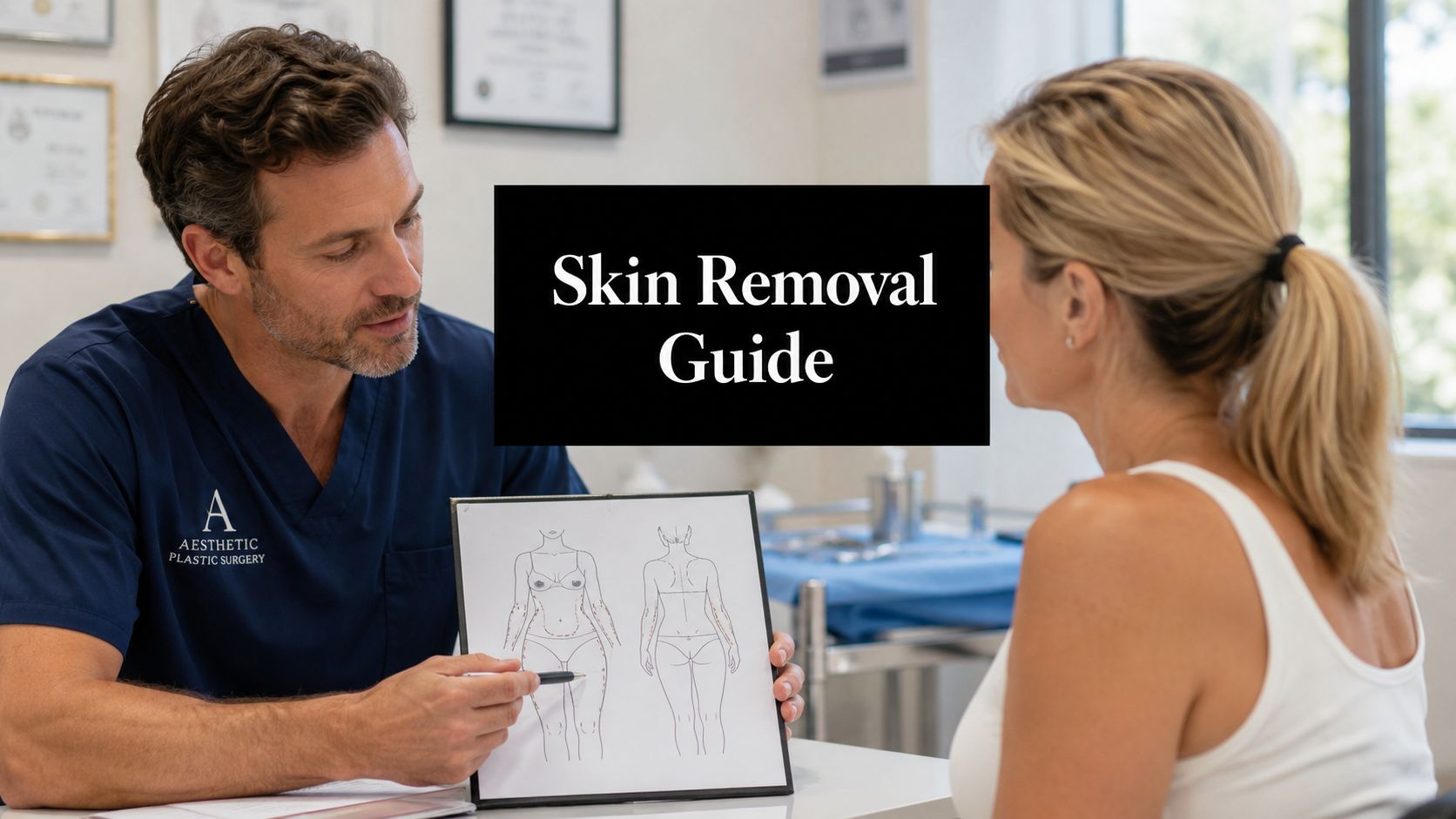
You may be looking in the mirror and feeling two things at once. Pride, because you've done something hard. Frustration, because your body still doesn't feel like it matches the work you put in.
That's a common place to land after major weight loss. The scale changes. Your health improves. Clothes fit differently. But loose, hanging skin can keep rubbing, pulling, folding, and getting in the way of exercise, intimacy, or feeling comfortable in your own body. For many people, that last part is surprisingly emotional. You've changed your life, yet you still may not feel fully at home in your body.
I often think of this stage as the moment when the celebration becomes more complicated. A patient has lost a meaningful amount of weight through bariatric surgery, sustained nutrition changes, exercise, or a medical program such as telehealth weight loss with semaglutide. Friends tell them how great they look, but privately they're dealing with skin that hangs over the abdomen, shifts under clothing, and reminds them every day of the body they worked so hard to change.

That's where excess skin removal surgery enters the conversation. Not as vanity. Not as an impulse. For many patients, it's the restorative part of the journey. It can help reduce rubbing and hygiene issues in skin folds, improve how clothing fits, and make movement feel easier. Just as important, it can help your outside catch up with the life you've built.
People rarely come in asking for “a procedure.” They come in saying things like:
Those are reasonable goals. They also matter because this process works best when it starts with honesty. Excess skin removal surgery can reshape the body. It can't erase every sign of weight change, and it won't produce an instant result. What it can do is move you closer to comfort, proportion, and a body that feels more like your own.
Excess skin after weight loss is not a failure of discipline. It's often the physical evidence of how far you've come.
Many patients describe this phase as the first time they're choosing something for themselves instead of reacting to a medical problem. That shift is powerful. You're no longer focused only on losing weight. You're focused on living well in the body you now have.
By the time patients reach this stage, the question is usually no longer, “Did I lose enough weight?” It is, “Which operation matches what I'm living with?” Loose skin can show up in very different ways from one person to the next, so excess skin removal is planned area by area, with a clear purpose for each procedure.
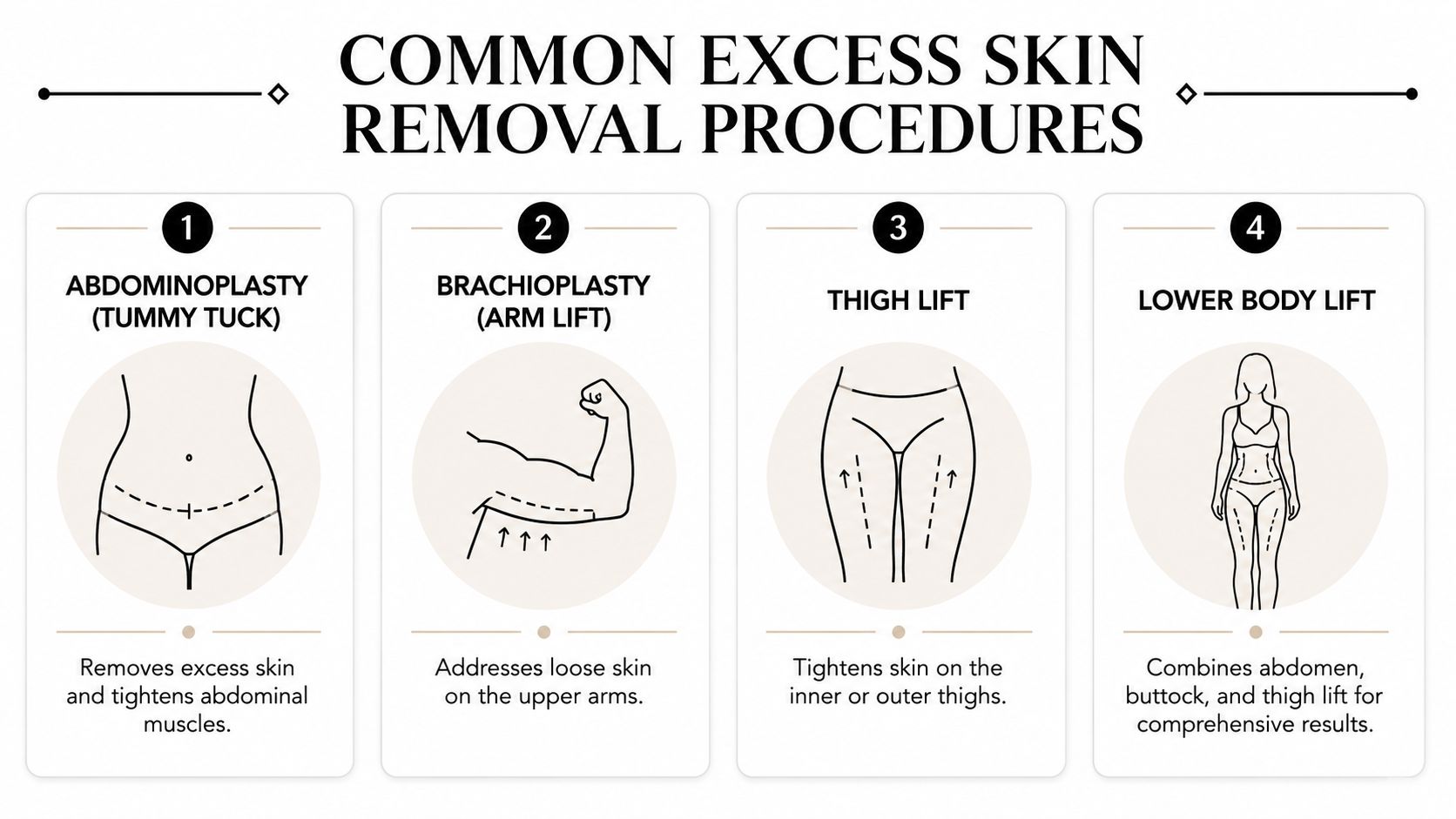
The abdomen is where many patients feel the most daily frustration. Skin can fold, hold moisture, pull when you move, and make clothes fit in an uneven way. Research on post-bariatric body contouring found that abdominoplasty was the most commonly performed procedure, which fits what surgeons see in practice after major weight loss, as reported in this study on body contouring after bariatric surgery.
An abdominoplasty, or tummy tuck, removes extra skin from the abdomen and may include tightening of the abdominal wall when that is appropriate. The goal is not only a flatter contour. It is also better support, smoother clothing fit, and a midsection that feels more proportionate to the rest of the body.
These two operations are often confused in consultation, and the distinction matters.
A panniculectomy removes the hanging apron of skin and fat from the lower abdomen. It is usually chosen for functional reasons, such as skin irritation, hygiene trouble, heaviness, or chronic rubbing in the fold. A tummy tuck can include lower abdominal skin removal too, but it is designed with more attention to shaping the abdomen as a whole.
Recovery timelines also require patience. UCSF Health's panniculectomy overview notes that swelling can last for months, and scars continue to soften and mature long after the first stage of healing. That is why early photos in the mirror can be misleading. In the first few weeks, your body is still reacting to surgery, not showing the final result.
A useful way to judge progress: first look for steady healing, safer movement, and improving comfort. Contour comes into focus later.
After major weight loss, excess skin rarely limits itself to one spot. Many patients need a plan that addresses the places that still interfere with comfort, confidence, or daily movement.
Often, the emotional side of body contouring becomes clearer. A patient may be medically healthier, stronger, and far more active than before, yet still feel held back by skin that does not reflect that change. Removing excess skin can help the body feel more in sync with the work that came before it.
Many patients arrive hoping every area can be corrected in one operation. Sometimes that is possible in a limited way, but often the safer and wiser plan is to divide surgery into stages. That approach reduces operative time, protects recovery, and lets each area heal without asking too much of the body at once.
Here is a simple overview:
| Procedure | Main focus | Typical patient concern |
|---|---|---|
| Abdominoplasty | Skin removal and contour improvement of the abdomen | Loose abdominal skin, weakened contour |
| Panniculectomy | Removal of the overhanging lower abdominal apron | Hygiene issues, heaviness, skin fold irritation |
| Brachioplasty | Upper arm skin tightening | Hanging arm skin |
| Thigh lift | Inner or outer thigh skin tightening | Rubbing, laxity, clothing fit |
| Lower body lift | Contouring around the lower trunk | Circumferential loose skin after major weight loss |
The best surgical plan is personal. It depends on where the skin excess sits, which symptoms bother you most, the quality of your tissue, and how much surgery your body can reasonably recover from in one stage.
You may be at a point where the number on the scale has been steady, your health is better, and people around you assume the hard part is over. Then you look in the mirror, or try on clothes, or deal with daily skin irritation, and realize one part of the journey still feels unfinished. That is often when body contouring becomes worth discussing.
Good candidacy starts with readiness, not frustration with loose skin alone. Surgery works best when your body has settled after weight loss and your goals are clear enough that we can match the operation to the problem.
Body contouring is much easier to plan well when your weight is stable. If your body is still changing, the skin envelope is changing too. A surgical plan made during that period can miss the target, much like tailoring clothing while the measurements are still shifting.
Weight stability also matters for healing. Tissues that have had time to settle tend to behave more predictably in surgery and recovery. If your weight is still dropping, or if you are cycling up and down, waiting is often the wiser choice.
A strong candidate usually has several pieces in place at the same time:
Emotional readiness matters too. After a major weight-loss journey, some patients feel eager to finish the process. Others are worn out and need more time before taking on surgery. Both responses are normal.
Many patients also feel confused about why the skin did not "snap back" after all of their effort. Our explanation of what causes loose skin after weight loss often helps people make sense of that part of the process.
This surgery can remove hanging skin, improve contour, and make daily life more comfortable. It cannot give every patient the skin quality they had at 20, erase every stretch mark, or leave no scar. In consultation, part of my job is to show you where surgery can help and where biology still sets limits.
That honesty protects patients. It also makes the result more satisfying, because you know what you are choosing and why.
Some people are medically eligible but not ideally positioned for surgery yet. If work is chaotic, childcare is uncertain, or you do not have help during the first phase of recovery, postponing may lead to a better experience and a better result. At Cape Cod Plastic Surgery, that conversation should feel thoughtful and personal, not rushed.
For many patients, excess skin removal is the closing step in a long transformation. The right time is when your health, your support system, and your expectations are all aligned.
You have done the hard part already. The weight loss happened. Your health improved. Yet each morning, getting dressed still comes with a reminder that your body has changed faster than your skin could follow. By the time patients come in to discuss surgery, many are carrying both hope and hesitation. That is normal.
The process feels more manageable once you see it for what it is. It is a step-by-step plan, built around your body, your goals, and your life outside the operating room.
The first consultation is usually less dramatic than patients expect. It is a focused conversation. You tell me what bothers you, where skin is causing discomfort, and what you want life to feel like after surgery. Some patients want to wear fitted clothing without tugging at fabric all day. Others want less rubbing, less moisture trapped in skin folds, or more comfort during exercise.
Then we examine the body area by area, almost like mapping out a home renovation before any work begins. If you repair everything at once, the project may become too large and recovery may become harder than it needs to be. If you stage the work carefully, each part can be done more safely and with a clearer purpose. That is why some patients have one procedure, while others do better with a sequence over time.
We also talk through logistics that people often do not realize matter until later. Where will surgery take place. Will you go home the same day or stay overnight. How much help will you need in the first few days. How long should you plan before returning to normal routines. Final shape also takes patience. Early swelling and tightness are part of healing, so the body you see at first is not the final answer.
At Cape Cod Plastic Surgery, that planning conversation should feel personal. Excess skin removal is often the final surgical chapter of a major life change, and the plan should reflect the work you have already done to get here.
Once the plan is set, preparation becomes practical. Patients usually do best when recovery is arranged before surgery, not improvised after they get home.
Start with your space. Set up a resting area with water, medications, chargers, pillows, and anything you use often within easy reach. If bending or stretching will be uncomfortable, even simple tasks like reaching into a low drawer can become frustrating.
Then plan your support. You will need a ride home. Depending on the procedure, you may also need help with meals, children, pets, laundry, or getting in and out of bed comfortably during the first stretch of recovery. This is one reason I encourage patients to read a detailed guide to recovering from plastic surgery before the operation, not after.
Nutrition and wound care matter here too. Good healing starts before the first incision. If you have questions about protein, vitamins, and tissue repair, EkagraHealth AI's wound healing tips offer a useful overview to discuss with your surgeon.
A short written list helps many patients:
Surgery day often feels calmer once the sequence is familiar. You arrive, check in, review the plan, meet the anesthesia team, and have preoperative markings placed on the skin. Those markings are a guide, much like lines drawn before cutting fabric. They help translate the surgical plan into precise changes on your body.
After surgery, you spend time in recovery while the team monitors you and reviews instructions with you or your support person. Some patients go home the same day. Others stay overnight, depending on the procedure and the amount of support that will be needed right away.
The first goal is simple. Get home safely, stay comfortable, and follow the plan. Patients who do well are rarely the ones trying to push through recovery. They are the ones who respect it.
A common moment happens about a week after surgery. You look in the mirror, see swelling, feel tightness, and wonder whether this was the right decision. That reaction is normal. Recovery after excess skin removal is often the part patients understand least, even after they have prepared carefully for the operation itself.
Healing has its own pace. Your body is closing incisions, settling swelling, and adjusting to a new shape all at once. The process works more like remodeling a house room by room than flipping a switch in a single day. Early changes happen first. Refinement comes later.
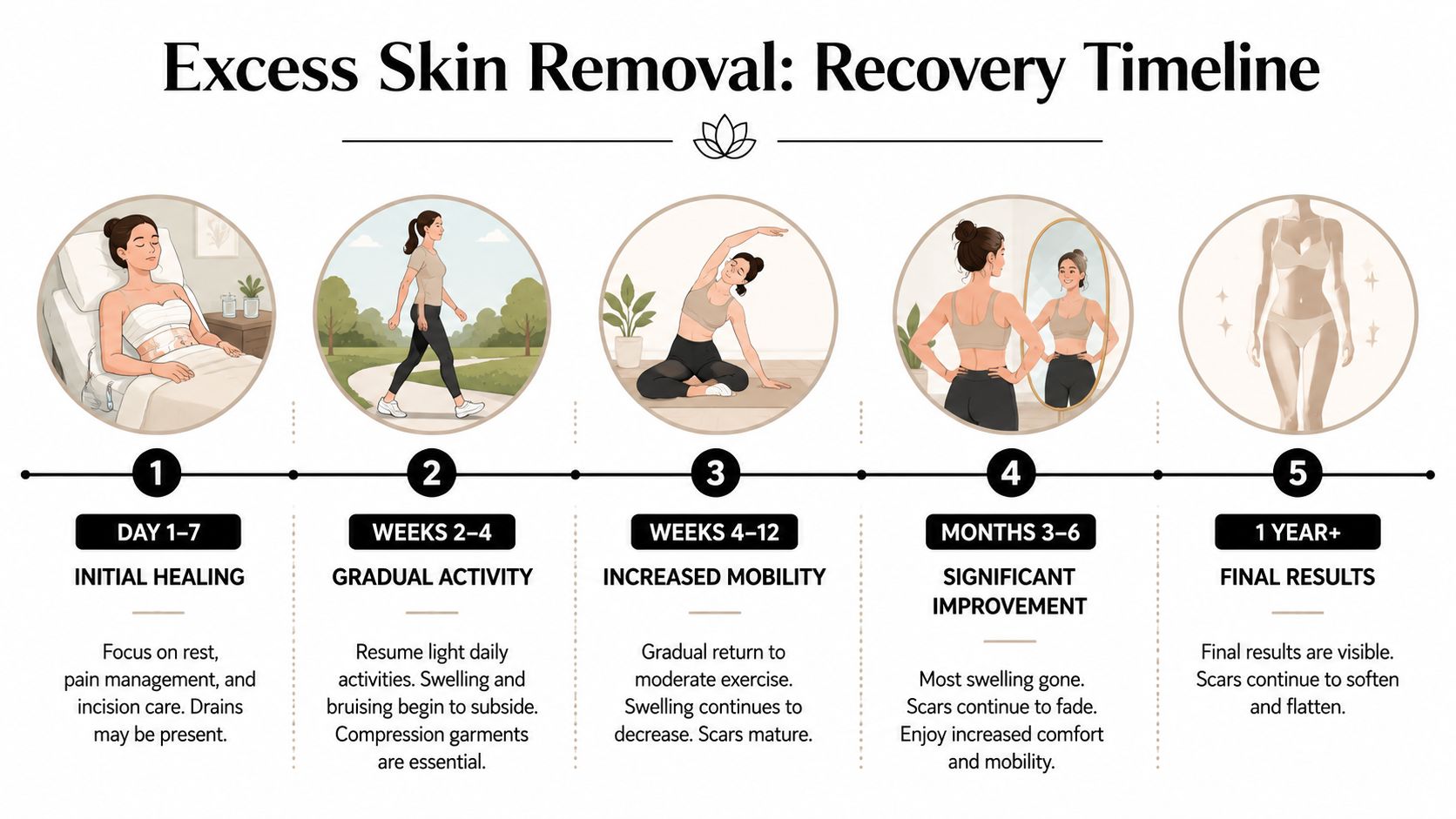
The first several days are usually quiet and structured. Rest, short walks around the house, hydration, incision care, and taking medication as directed tend to shape this period. If you have drains, your team will show you exactly how to manage them. If you are wearing compression garments, they are there to support swelling control and tissue healing, not for comfort alone.
Many patients can resume desk work or lighter daily activities within a few weeks, but that timeline depends on the procedure and on what your job asks of your body. A teacher, nurse, carpenter, and remote office worker do not recover into the same routine at the same speed. Feeling capable of basic tasks is different from feeling fully recovered, and that distinction matters.
It is also common to feel more tired than expected.
That fatigue can be confusing because the incisions may look better before your energy fully returns. Healing uses resources. Your body is doing a great deal of internal work that you cannot see.
Several weeks later, life often starts to feel more familiar. Swelling usually begins to settle in a more noticeable way. Walking feels easier. Getting in and out of bed or standing upright may no longer require the same level of thought and effort.
This is the point where some patients get into trouble by assuming they are finished healing. They feel better, so they do more. Then swelling increases, soreness returns, and they feel discouraged. That does not always mean something is wrong. It often means the body is reminding you that progress is gradual.
Recovery is rarely a straight line. You may have a strong day, followed by a day when you feel tight, puffy, or unexpectedly tired. I tell patients to judge recovery by trends over time, not by one afternoon.
For a broader look at planning your time away from work, garments, and follow-up visits, this guide on recovering from plastic surgery is a helpful companion.
Scar maturation takes time. Final contour takes time. Emotional adjustment takes time too.
For many people, excess skin removal is the last major step after extraordinary effort, often following weight loss, pregnancy, or years of discomfort in their own skin. That history matters during recovery. You are not only healing from surgery. You are adjusting to the visible result of a long personal journey. Patients at Cape Cod Plastic Surgery often describe this stage as both physically demanding and affirming. Both can be true at once.
Patients often ask what they can do while waiting for the body to heal. The answer is usually simple and practical. Eat enough protein, stay hydrated, sleep well, walk as instructed, avoid nicotine, and follow incision care directions closely. Those basics have more impact than any shortcut.
Some patients also like practical reading on nutrition and tissue repair, such as EkagraHealth AI's wound healing tips, as long as any supplements are reviewed with their surgeon first.
For another perspective on what recovery looks like over time, this video can help patients visualize the process.
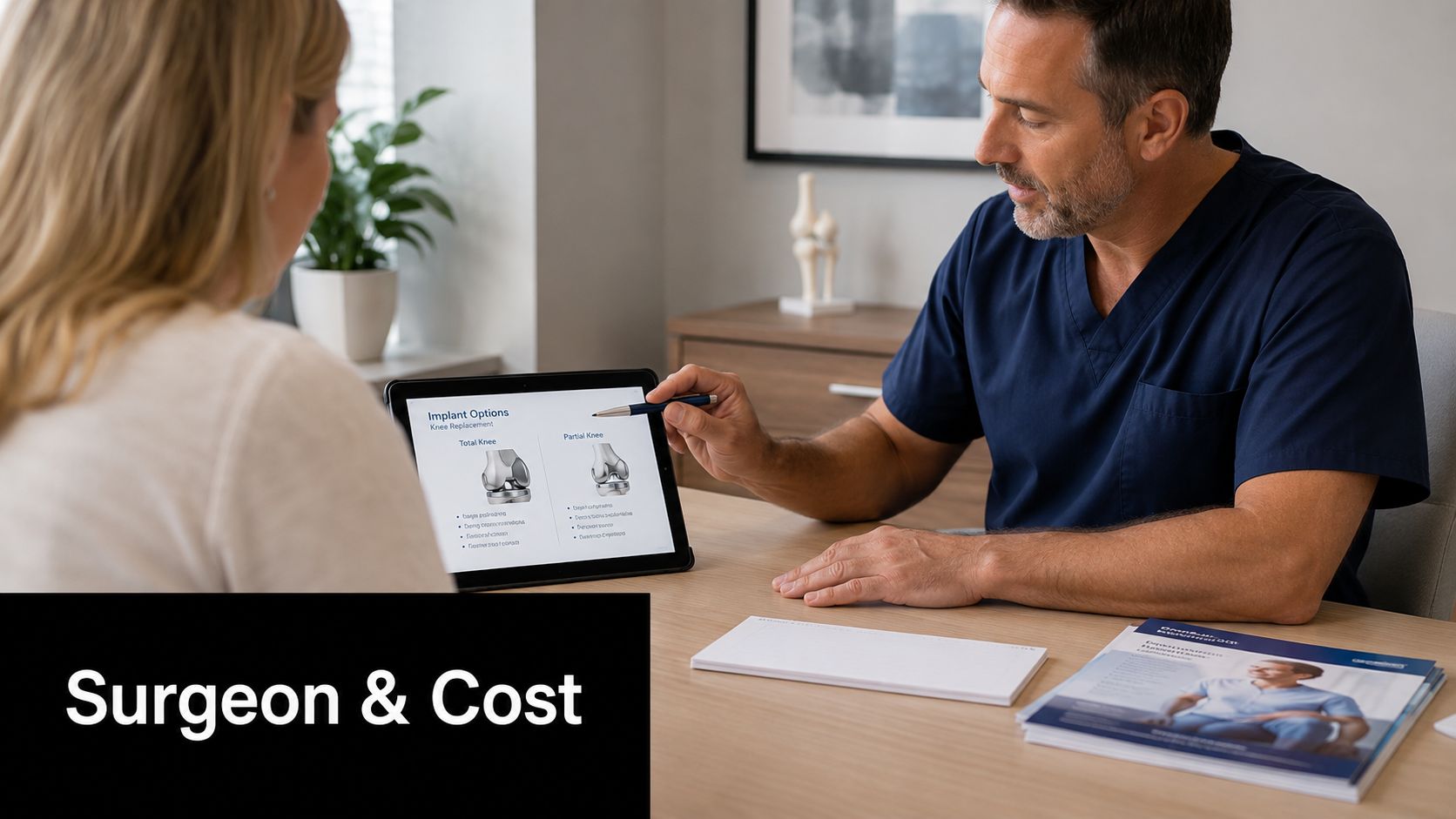
A lot of patients reach this point with two questions that sit side by side. “What will this cost?” and “Who should I trust to do it?” Both deserve a direct answer, because this stage of your transformation is too important to treat like a simple price comparison.
Excess skin removal surgery is often priced in parts. Your quote may include the surgeon's fee, anesthesia, facility charges, garments, and follow-up care. If your plan is staged, which is common after major weight loss, each operation has its own costs and recovery period to plan for. That can feel frustrating at first, but it usually reflects careful surgical judgment rather than unnecessary complexity.
A low quote can be expensive if it comes with poor planning.
This type of surgery is part tailoring, part reconstruction, and part risk management. Your surgeon is deciding how much skin can be removed safely, where tension will sit on the closure, where scars will fall in clothing, whether liposuction should be added, and whether your goals are best handled in one procedure or several. Those decisions shape your result as much as the operation itself.
Here is what to look for:
Patients often feel relieved when they hear this: choosing a surgeon is not about finding someone who promises the most dramatic change. It is about finding someone who can judge what your body can handle safely and explain that judgment clearly. Good consultations do not feel rushed. They feel honest.
One option patients may consider is Cape Cod Plastic Surgery, a Hyannis practice led by Dr. Marc Fater that performs cosmetic and reconstructive procedures in an on-site AAAASF-accredited surgical suite.
Cost discussions can also become more complicated when a procedure has both functional and cosmetic elements. For example, hanging abdominal skin may cause chronic rashes or hygiene problems, but improving contour is often part of the same conversation. That means quotes, coding, and insurance questions sometimes take time to sort out.
From the practice side, the administrative work behind surgical care is highly detailed. For anyone who wants a clearer view of that process, this overview of optimizing medical billing for providers explains how coding and claims workflows can affect timing, documentation, and coverage decisions.
The short version is simple. Ask about cost early. Then give equal weight to safety, experience, judgment, and follow-through. For many patients, excess skin removal is the last major step in a long personal change. It should be planned with the same care and respect that got you here.
Sometimes, but not always. Coverage depends on the specific procedure and the reason for it. A function-focused operation such as a panniculectomy may be evaluated differently from a cosmetic contouring procedure. Patients should expect documentation requirements, photos, and a review process rather than assuming approval.
No. Liposuction removes fat. It does not remove significant loose skin. If the main issue is hanging, stretched skin after major weight loss, liposuction alone usually won't solve that problem and can sometimes make looseness more noticeable.
Many patients do. Different body areas heal differently, and combining everything at once isn't always the safest or smartest plan. Staging allows your surgeon to prioritize the areas that bother you most while respecting recovery and overall surgical safety.
That's a personal question, but it's the right one to ask. Excess skin removal surgery trades loose skin for surgical scars. Most patients who are good candidates accept that trade because the skin itself causes daily discomfort, clothing problems, or emotional distress. The key is going into surgery understanding that scars mature slowly and should be placed thoughtfully whenever possible.
Out-of-town patients usually need a little more planning, not a different standard of care. Travel, lodging, help after surgery, and follow-up timing all need to be arranged in advance. Ask early how long you should stay nearby before traveling home.
The best consultations are specific. Bring your weight history, list your concerns by body area, and say what bothers you functionally versus cosmetically. It also helps to be honest about your schedule, support system, and whether you're emotionally ready now or just gathering information for later.
The goal of consultation is not to talk you into surgery. It's to decide whether surgery fits your body, your goals, and your life.
If you're ready to talk through your options for excess skin removal surgery, Cape Cod Plastic Surgery offers consultations where you can discuss your goals, your health history, and a realistic plan for treatment and recovery.
September 9, 2026
Expert Guide to Proper Surgical Incision Care
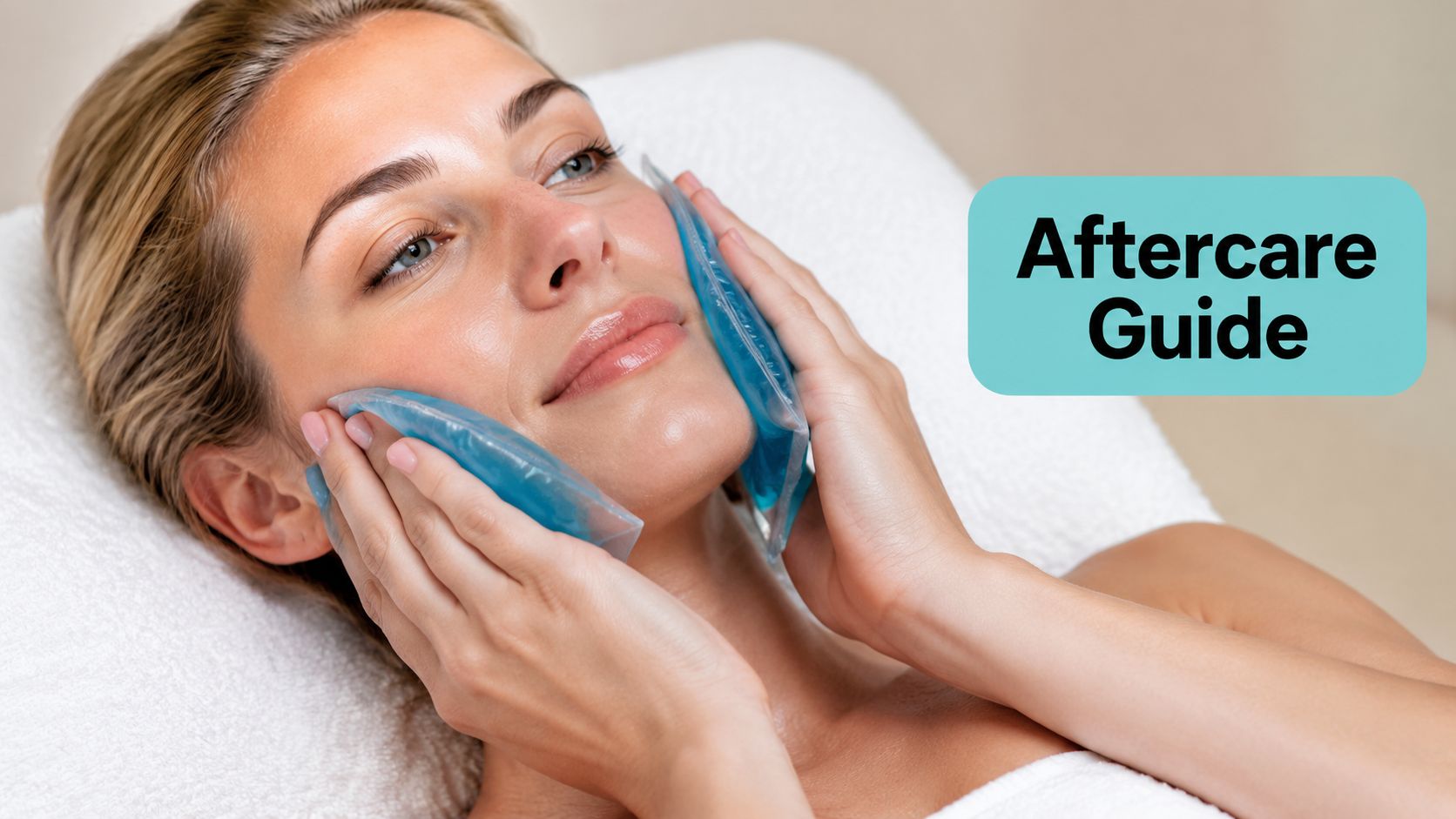
Master dermal fillers aftercare with do's and don'ts, swelling tips, activity limits and warning signs to protect your results and heal smoothly.

September 8, 2026
Ensuring Safety: Why Your Surgeon's Credentials Matter Most

Cape Cod Plastic Surgery offers expert cosmetic and reconstructive procedures in a safe, accredited setting. Led by Dr. Marc Fater, we combine advanced techniques with personalized care to help you look and feel your best.
Monday: 9:00 AM – 5:00 PM
Tuesday: 9:00 AM – 5:00 PM
Wednesday: 9:00 AM – 5:00 PM
Thursday: 9:00 AM – 5:00 PM
Friday: 9:00 AM – 5:00 PM