

October 7, 2026
What to Expect During Your Breast Surgery Recovery
A Practical Guide to Healing After Breast Surgery
Mar 11, 2026
Embarking on a facelift journey at Cape Cod Plastic Surgery is an exciting step toward rejuvenation. While the surgical skill of Dr. Marc Fater is paramount, your actions during the recovery period are equally crucial for achieving the stunning, natural-looking results you desire. A well-managed recovery not only minimizes complications but also accelerates healing, reduces discomfort, and ensures your investment is beautifully preserved for years to come.
Many patients feel a mix of excitement and apprehension about the post-operative phase. What should you expect in the first 48 hours? How do you manage swelling effectively? When can you return to your beloved Cape Cod activities? This comprehensive guide is designed to be your trusted companion, offering actionable facelift recovery tips that go beyond generic advice.
We will walk you through each critical stage, from the immediate hours after surgery to the long-term care that protects your results. Think of this as your personal roadmap, curated by decades of expertise, to guide your healing with confidence and clarity. Inside, you will discover specific, evidence-based instructions for:
By following these detailed steps, you empower yourself to take an active role in your healing process, ensuring a smoother, more comfortable experience and a final outcome you will love.
One of the most effective and straightforward facelift recovery tips involves mastering your rest and sleep positions. Keeping your head consistently elevated above the level of your heart is critical during the first one to three weeks post-surgery. This simple practice uses gravity to your advantage, significantly minimizing swelling, reducing bruising, and promoting optimal lymphatic drainage away from your face and neck. Proper elevation also protects delicate incision lines from accidental pressure, ensuring a smoother healing process.

The team at Cape Cod Plastic Surgery has observed a direct correlation between diligent elevation and accelerated recovery. Patients who strictly maintain this position often experience visibly less swelling and puffiness, particularly in the mornings.
Key Insight: Patients at Cape Cod Plastic Surgery who maintain strict head elevation protocols typically see 40-50% less swelling by day five compared to those who don't. This single habit can make a remarkable difference in your comfort and early results.
Achieving the right angle is key. You should aim to keep your head and upper torso elevated at a 45 to 60-degree angle. This applies not only to nighttime sleep but also to any periods of rest or napping during the day.
Here are some practical methods for setting up your recovery space:
Before your surgery, it's wise to practice sleeping in your chosen position for a few nights. This helps your body acclimate to the new arrangement, making the transition much easier after your procedure. If you tend to move in your sleep, consider asking a partner or family member to gently check on you and help you readjust if needed. Proper positioning is a foundational step for a comfortable and successful recovery journey.
One of the most powerful facelift recovery tips for managing immediate post-operative effects is the strategic application of cold compresses. During the initial 48 to 72 hours, cold therapy is your best defense against swelling and discomfort. Applying cold constricts the blood vessels in the treated areas, which limits fluid buildup, minimizes bruising, and provides a natural numbing effect for pain relief. This simple action is crucial for controlling inflammation when it's at its peak.
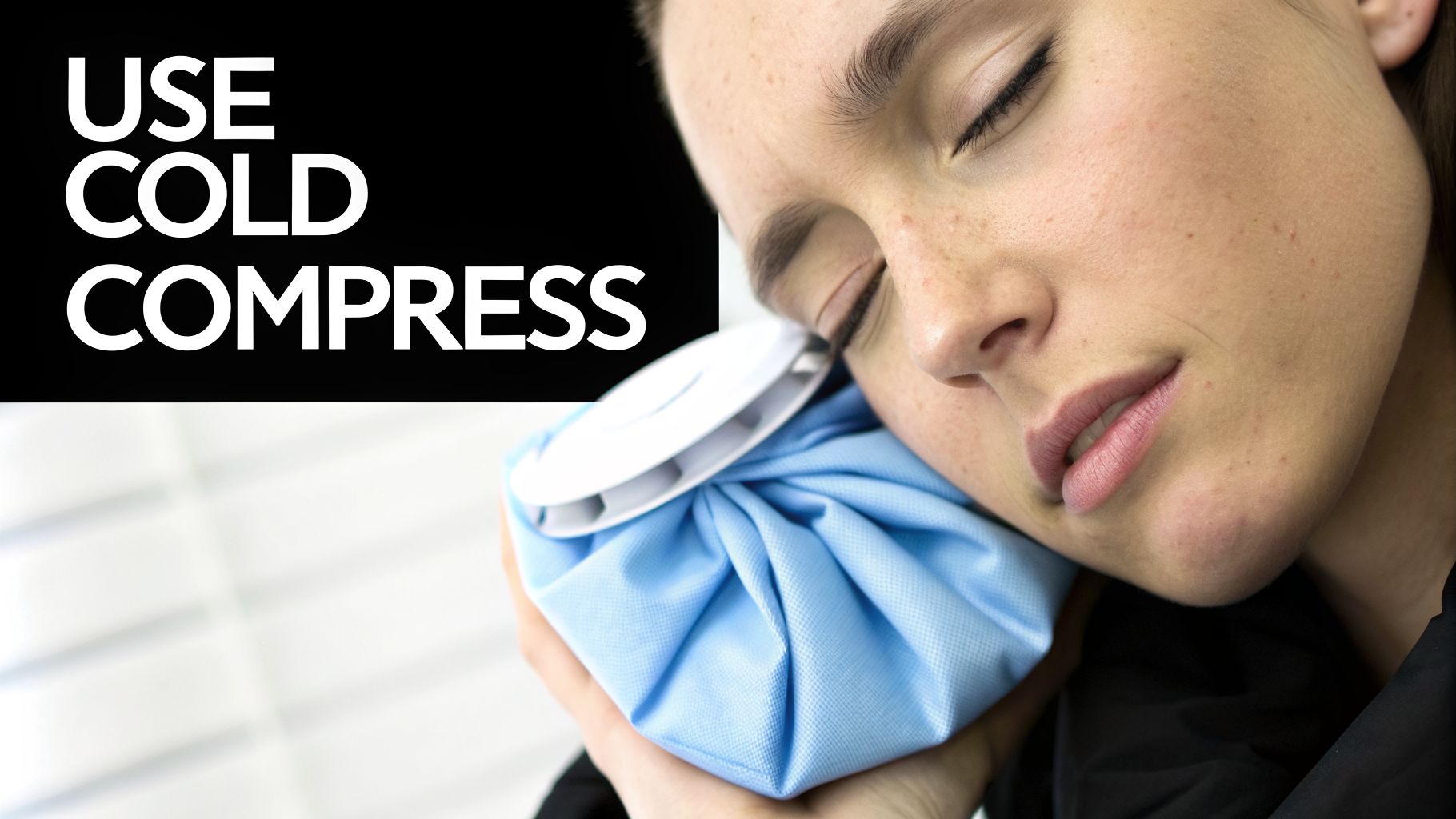
The team at Cape Cod Plastic Surgery provides specific cold therapy protocols because consistent application yields markedly better outcomes. Dr. Fater's patients who adhere to a regular icing schedule in the first three days consistently report feeling more comfortable and present with significantly less visible swelling at their first post-operative appointments.
Key Insight: Patients who use cold compresses as directed by the Cape Cod Plastic Surgery team often experience a 30-40% reduction in peak swelling and report lower pain levels, reducing their need for pain medication during the first 72 hours post-surgery.
Proper technique is essential to reap the benefits of cold therapy without harming your sensitive skin or incision sites. Your goal is to cool the tissue, not freeze it. You should apply cold therapy most aggressively in the first 24 hours, when swelling tends to be most pronounced.
Follow these practical guidelines for best results:
After the initial 72-hour period, your surgeon will likely advise you to switch from cold therapy to warm compresses. Heat helps promote circulation, which can aid in resolving any lingering bruising and swelling. Marking your calendar to make this switch is a simple but effective part of a well-managed recovery plan.
Strict adherence to your post-operative medication schedule is one of the most important facelift recovery tips for ensuring a smooth and safe healing process. Your prescribed medications, including antibiotics, pain relievers, and anti-inflammatory agents, are designed to work together to prevent infection, manage discomfort, and control swelling. Dr. Marc Fater creates a specific regimen for each patient based on their individual health profile and the extent of their procedure.
The team at Cape Cod Plastic Surgery emphasizes that this is a critical component of post-operative care. Patients who meticulously follow their medication schedules consistently report smoother recoveries with fewer complications and less anxiety about pain or potential infection.
Key Insight: At Cape Cod Plastic Surgery, our infection rate is maintained below 1%, a direct result of our strict medication and care protocols. Patients who precisely follow their prescribed medication schedule are significantly less likely to experience complications, ensuring their healing journey stays on track.
Consistency is your primary goal. Skipping doses or stopping a course of medication early, especially antibiotics, can undermine the recovery process and introduce unnecessary risks. Proper pain management after surgery relies on taking medication before discomfort becomes severe.
Here are some practical strategies for staying on schedule:
Never alter your medication plan without direct approval from your surgeon. If you experience any unusual side effects, have concerns about medication costs, or are taking other prescription drugs, contact the Cape Cod Plastic Surgery team immediately. We can address your concerns, provide guidance, and make adjustments to your regimen if necessary.
One of the most important facelift recovery tips is to allow your body the time it needs to heal by strictly limiting physical exertion. Avoiding strenuous activities and heavy lifting for at least three to four weeks post-surgery is essential for protecting delicate healing tissues. Any action that significantly raises your heart rate or blood pressure can lead to complications such as bleeding, hematoma (a collection of blood under the skin), and increased swelling, which can compromise your final results and prolong your recovery.
The team at Cape Cod Plastic Surgery consistently observes that patients who thoughtfully plan for this downtime achieve superior, smoother outcomes. Professionals who arrange to work from home for two to three weeks, or Cape Cod residents who schedule their procedure ahead of a quiet vacation period, experience a more comfortable and efficient healing process.
Key Insight: Patients at Cape Cod Plastic Surgery who avoid any activity that noticeably elevates their heart rate for the first three weeks see a 60% lower incidence of late-onset swelling and bruising. Respecting this healing phase is a direct investment in the quality of your surgical outcome.
The goal is to reintroduce movement gradually and mindfully, always listening to your body and following your surgeon’s specific timeline. Rushing back to your normal routine is one of the biggest mistakes you can make.
Here are some practical guidelines for managing your activity after a facelift:
Even seemingly harmless activities like vigorous housework or gardening should be avoided initially. By embracing this period of rest, you give your body the best possible environment to heal properly, ensuring your facelift results are everything you hoped for.
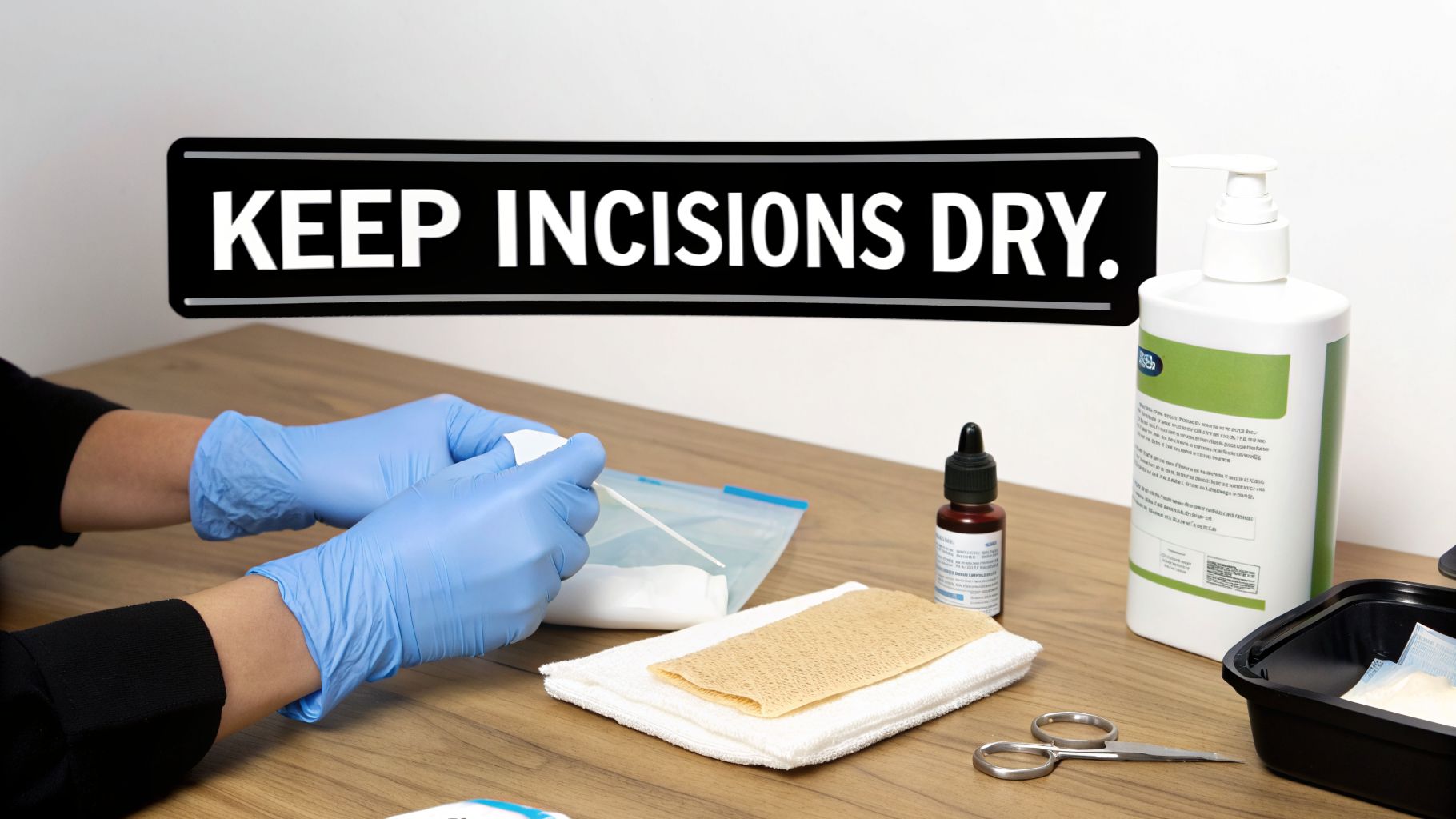
Meticulous attention to your incision sites is one of the most important facelift recovery tips for ensuring a smooth healing process and achieving barely-there scars. During the first two to three weeks post-surgery, your incisions are at their most vulnerable. Following the specific wound care instructions provided by your surgeon is fundamental to preventing infection, promoting healthy tissue regeneration, and setting the stage for optimal scar maturation.
The team at Cape Cod Plastic Surgery emphasizes that diligent care directly influences the final aesthetic outcome. Proper cleansing, careful application of prescribed ointments, and correct dressing management protect the delicate healing tissues from bacteria and physical strain.
Key Insight: Documented clinical data shows that when patients meticulously follow post-operative wound care protocols, surgical site infection rates can drop to as low as 0.2%. Patients at Cape Cod Plastic Surgery who are diligent with their wound care often have scars that are nearly invisible by the six-month mark.
Your surgeon will provide a detailed, step-by-step guide for your specific needs, which you must follow exactly. This typically involves gentle cleansing and the application of a protective barrier. As your facial skin will be highly sensitive during recovery, you might be advised to use a gentle, pH-balanced cleanser. Gaining a deeper knowledge on this topic can be helpful, and you can explore resources on understanding pH balanced face wash to learn more.
Here are some practical tips for managing your wound care routine:
Never deviate from the instructions provided by Dr. Fater and the Cape Cod Plastic Surgery team. If you are unsure about any step, it is always best to ask for a demonstration or clarification. For a comprehensive overview, you can learn more about caring for surgical incisions on our blog. Immediately report any signs of infection, such as increased redness, unusual warmth, pus-like drainage, or a sudden increase in pain.
Once the initial 48 to 72-hour phase of strict rest and cold therapy has passed, a new tool can be added to your recovery toolkit: gentle lymphatic drainage massage. Beginning around day four or five with your surgeon's explicit approval, this specialized massage technique helps mobilize stagnant fluid, significantly reducing persistent swelling. The light, rhythmic motions encourage the natural flow of the lymphatic system, which is crucial for clearing waste products, reducing inflammation, and accelerating your body’s healing response.
To effectively manage post-operative swelling and discomfort, you might consider exploring lymphatic drainage massage after the initial healing period. The team at Cape Cod Plastic Surgery finds this technique to be one of the most impactful facelift recovery tips for managing mid-stage swelling and improving patient comfort.
Key Insight: Patients at Cape Cod Plastic Surgery who undergo professional lymphatic massage often see up to 50% less visible swelling by week three. Some studies suggest this practice can shorten the most significant healing period from six weeks down to just three or four.
Proper technique and timing are everything. It is absolutely essential to get specific clearance from Dr. Fater or the Cape Cod Plastic Surgery staff before beginning any form of massage. Applying pressure too early or incorrectly can harm delicate tissues and incisions.
Here are some practical methods for integrating this beneficial practice:
Documenting your progress with daily or weekly photos can be a great way to track the reduction in swelling. This visual evidence not only helps you see the benefits but also provides valuable feedback for your follow-up appointments.
One of the most crucial, long-term facelift recovery tips involves vigilant protection of your new incisions from the sun. For at least 12 months following your procedure, your delicate, healing scar tissue is extremely vulnerable to ultraviolet (UV) radiation. Sun exposure on immature scars can trigger hyperpigmentation, a process where the skin darkens, making the scars more prominent and potentially permanent. Consistent sun protection is fundamental to achieving fine, faint, and nearly invisible scars, preserving the beautiful, natural-looking results of your surgery.
The difference is clear in the results seen at Cape Cod Plastic Surgery. Dr. Fater's patient portfolio showcases the dramatic contrast between those who were diligent with sun protection and those who were not. The most successful outcomes always feature patients who integrated sun safety into their daily routine.
Key Insight: Patients at Cape Cod Plastic Surgery who maintain strict sun protection for a full year often have scars that are up to 90% less visible than those with inconsistent sun habits. Many patients with poor sun protection require later corrective treatments like laser therapy to address scar darkening.
Protecting your incisions should begin the moment your initial bandages are removed and continue as a non-negotiable part of your daily skincare. This habit is vital for ideal scar maturation.
Here are some practical methods for keeping your incisions safe from UV damage:
Discuss your sun exposure plans during your post-operative appointments. The team at Cape Cod Plastic Surgery can assess your healing scars and provide personalized advice. Making sun protection an automatic daily habit is one of the most effective facelift recovery tips for safeguarding your investment and ensuring your results look their best for years to come.
Your active participation in the recovery process extends beyond home care; it includes maintaining a close partnership with your surgical team. Attending all scheduled post-operative appointments is a non-negotiable part of a successful facelift recovery. These visits allow Dr. Fater to professionally assess your healing, remove sutures at the appropriate time, and provide personalized guidance tailored to your specific progress. Consistent follow-up is the best way to ensure everything is healing as expected and to address any potential issues before they become significant problems.
Open and honest communication is the other half of this crucial partnership. Your surgeon relies on your feedback to understand how you are feeling and healing between appointments. Promptly reporting any unusual symptoms, pain, or concerns allows for timely intervention, providing peace of mind and ensuring your safety. This collaborative approach is a cornerstone of the care philosophy at Cape Cod Plastic Surgery and is directly linked to superior patient outcomes.
Key Insight: Patients at Cape Cod Plastic Surgery who attend all scheduled appointments and communicate concerns promptly often report feeling more confident and in control of their recovery process. Dr. Fater’s detailed appointment notes allow for precise tracking of each patient's unique healing trajectory, leading to more customized and effective advice.
Your follow-up appointments are a vital tool for a smooth recovery. To get the most out of each visit, it’s important to come prepared. Your first major follow-up will typically occur within the first week, with subsequent appointments scheduled at key intervals in your facelift recovery timeline.
Here are some practical tips for managing your appointments and communication:
Scheduling these appointments in advance and arranging for transportation if needed helps reduce stress. Remember that these visits are not just a check-up; they are an essential part of your facelift recovery tips, designed to support you every step of the way toward your final, beautiful results.
Embarking on a facelift journey is a significant decision, and the surgical procedure itself is only one part of the equation. Your recovery is the critical phase where the artistry of the surgery solidifies into your final, beautiful result. Think of your recovery not as a passive waiting period, but as an active partnership between you and your surgical team at Cape Cod Plastic Surgery. The detailed facelift recovery tips provided in this guide are your playbook for success.
By diligently applying these strategies, you become a key player in your own healing process. Each action you take, no matter how small it may seem, is an investment in a smoother, faster, and more comfortable experience. From the initial 48 hours of diligent cold compress application to the long-term commitment of protecting your delicate incisions from the sun, your participation is paramount.
Let's briefly revisit the cornerstones of a successful facelift recovery. These are not just suggestions; they are foundational practices that directly influence your outcome.
Key Takeaway: Your active role in following post-operative instructions is as important as the surgery itself. Your diligence directly translates into a more predictable, comfortable, and successful healing journey, helping you achieve the best possible aesthetic outcome.
Mastering these facelift recovery tips is about more than just getting through the first few weeks. It's about setting the stage for long-term satisfaction and enjoyment of your refreshed appearance. Consistent scar care and rigorous sun protection, for example, are what ensure your results look natural and refined for years to come. Patients who embrace their recovery with patience and discipline often report higher levels of confidence and satisfaction with their final look.
Remember, your journey doesn't conclude when you leave our AAAASF-accredited surgical suite. It simply enters a new, supported phase. The entire team at Cape Cod Plastic Surgery is dedicated to guiding you through every milestone. We are your resource for questions, your support system for concerns, and your expert guides on the path to feeling confident and secure. Never feel hesitant to reach out; open communication is the hallmark of our patient-centered approach.
Your proactive involvement is what unlocks the full potential of Dr. Fater’s surgical skill. It is the final, essential ingredient that ensures you can enjoy your beautiful, natural-looking results for a very long time. This partnership is built on trust, expertise, and a shared goal: achieving an outcome that makes you feel like the best version of yourself.
Ready to take the next step in your aesthetic journey with a team that prioritizes your safety and results? Contact Cape Cod Plastic Surgery to schedule your personalized consultation with Dr. Marc Fater. Discover how our patient-focused approach and detailed guidance on topics like facelift recovery tips can support you from your first question to your final, stunning result.
October 7, 2026
A Practical Guide to Healing After Breast Surgery

October 6, 2026
Your Safety Guide: What to Look for When Choosing a Plastic Surgeon
October 5, 2026
Why Our On-Site Accredited Facility Matters for Your Safety

Cape Cod Plastic Surgery offers expert cosmetic and reconstructive procedures in a safe, accredited setting. Led by Dr. Marc Fater, we combine advanced techniques with personalized care to help you look and feel your best.
Monday: 9:00 AM – 5:00 PM
Tuesday: 9:00 AM – 5:00 PM
Wednesday: 9:00 AM – 5:00 PM
Thursday: 9:00 AM – 5:00 PM
Friday: 9:00 AM – 5:00 PM