
September 9, 2026
How to Care for Surgical Incisions Properly
Expert Guide to Proper Surgical Incision Care
Mar 24, 2026
So, you’ve booked your Botox appointment. That’s the easy part. The secret to getting that flawless, natural-looking result actually starts well before you walk into the clinic. A little bit of prep can make a world of difference, not just for the final look but for your entire experience.
Getting the most out of your Botox treatment is about more than just showing up. Think of it this way: you wouldn't paint a masterpiece on a dirty canvas. The same principle applies here. Proper preparation is what sets the stage for a smooth procedure, minimal side effects, and results you’ll absolutely love.
This isn't about a long list of complicated rules. It’s about a few simple, smart adjustments in the days leading up to your appointment. We’ll walk through exactly what to do—and just as importantly, what not to do—to ensure everything goes off without a hitch.
Knowing how to prepare for your appointment is the first step. It swaps any pre-treatment jitters for confidence and gives you a clear understanding of what to expect.
Many people assume the magic is all in the needle, but that’s only half the story. The small choices you make beforehand create the ideal environment for your injector to do their best work. The main goal? To avoid bruising.
Blood-thinning substances, whether it’s a daily aspirin or a glass of wine with dinner, make the tiny blood vessels in your face more fragile. An injection near one of these can easily cause a bruise, turning a discreet treatment into something you have to cover up for days.
Preparation isn’t just about dodging side effects; it’s about protecting your investment. When you arrive with calm, healthy skin, your provider can work with more precision, and the Botox can settle predictably for a much better outcome.
It's clear that understanding how to prepare for Botox is more important than ever. The treatment’s popularity isn't just something we see in our clinics; the global numbers are staggering. Projections show that by 2026, more than 9 million Botox injections will be performed worldwide.
This number reflects a huge shift in aesthetics over the last decade, with non-invasive options taking center stage. In fact, botulinum toxin procedures consistently outrank fillers as the number-one non-surgical cosmetic treatment across the globe. You can explore more about these trends and the growth of the Botox market.
With millions of people trusting this treatment every year, being an informed patient is what separates a good result from a truly fantastic one.
To make things as simple as possible, here is a quick-reference table summarizing the key dos and don'ts for the week before your appointment. Following these guidelines is your best bet for a smooth experience and beautiful results.
| Timeframe | Action Required | Reason |
|---|---|---|
| 1-2 Weeks Before | Pause blood-thinning supplements. | Stop taking Vitamin E, fish oil, ginkgo biloba, and St. John's Wort to lower your risk of bruising. |
| 3-7 Days Before | Avoid NSAID pain relievers. | Ditch medications like ibuprofen (Advil), aspirin, and naproxen (Aleve) that thin the blood. |
| 48 Hours Before | Skip alcoholic beverages. | Alcohol is a vasodilator, meaning it widens blood vessels and seriously increases the risk of bruising. |
| 24 Hours Before | Pause active skincare. | Avoid retinoids, glycolic acid, and other exfoliants near the area to prevent skin sensitivity. |
| Appointment Day | Arrive with a clean face. | Come to your appointment makeup-free. No lotions or sunscreens on the treatment areas, please. |
Think of this checklist as your simple blueprint for success. A little planning goes a long way in ensuring your Botox treatment is everything you hoped for.
Before you even think about what medications to stop or when to schedule your appointment, there's one decision that matters more than anything else: choosing the right person to perform your Botox treatment. This single choice is the foundation for your safety, the quality of your results, and the overall experience.
A great injector is so much more than someone who knows how to handle a syringe. They are a medical expert with an intricate understanding of facial anatomy, paired with the keen eye of an artist who appreciates balance and subtlety. Think about it—you're not just erasing a line; you're trusting someone with your face. A skilled professional delivers a refreshed, natural look that makes you look like the best version of yourself, not a "done" version.
When you start your search, you'll see the term "board-certified" a lot, and for good reason. It’s not just industry jargon. For something like Botox, you really want to find a provider who is a board-certified plastic surgeon, a dermatologist, or a highly trained nurse practitioner or physician assistant working directly under their supervision. This certification is proof of years of specialized training and rigorous exams in their specific field.
This level of expertise is your best safety net. North America is driving over 50% of the global growth in the Botox market, and while millions of treatments are done safely, improper injections can lead to complications in up to 5% of cases. Those numbers, found in recent Botox market statistics and safety insights, really drive home why finding a true expert is so critical.
The consultation is your time to interview the injector. Seriously, don't be shy. A confident, experienced provider will be happy to answer every single one of your questions and will be completely transparent.
Walk in with a list of questions ready. Here are a few I always recommend:
Pay close attention to how they interact with you. Do they listen to your goals? Do they watch you make different expressions to understand your muscle movements? A good injector won’t just tell you what they’re going to do; they’ll explain why and work with you to create a plan.
A consultation is all about building trust. If you feel rushed, dismissed, or pressured in any way, that's a huge red flag. You should walk out of that appointment feeling confident and informed, not more confused than when you came in.
Technical skill is crucial, but it's only half the story. The other, equally important piece is artistic vision. Your injector needs to understand the delicate dance between facial muscles—how relaxing a muscle in one spot can affect another. It’s this understanding that prevents unwanted side effects, like a droopy brow.
This only comes with experience. It’s the kind of know-how that allows a provider to see your face not just as a set of lines, but as a unique canvas for your expressions. They’ll know that a cookie-cutter approach just doesn’t work. The dose and injection pattern that worked for your friend might be completely wrong for you. Our guide on how to choose the right plastic surgeon dives deeper into what separates a good provider from a truly great one.
When you're researching, take a moment to learn more about potential injectors by checking out their clinic’s 'About' page. This is where you can get a feel for their background, qualifications, and overall approach.
Ultimately, picking an injector is an investment in your safety and a partnership in your aesthetic journey. It’s the single most important step in preparing for a Botox result you’ll love.
Here is the rewritten section, crafted to sound human-written by an experienced expert.
Everyone wants to walk out of their Botox appointment looking refreshed, not bruised. The good news is that the most common side effect—bruising at the injection site—is largely preventable with a little planning.
The whole goal is to avoid anything that thins your blood in the two weeks leading up to your treatment. When your blood is thinner, it’s harder for your body to quickly seal off the tiny capillaries that a fine needle might disturb. By temporarily pausing a few common items, you give yourself the best shot at a smooth, bruise-free result.
Your prep work really starts about a week or two before your appointment, and it begins in your medicine cabinet. This is the time to look at any over-the-counter medications and supplements you take daily. Many things we take to be "healthy" can actually increase your risk of bruising.
The main offenders are things that have anti-inflammatory or blood-thinning properties. We've put together a quick-reference table to help you identify what to pause and when.
This table breaks down the common substances known to increase bruising risk. Remember, this is a general guide—your provider can give you more personalized advice.
| Substance Category | Examples | Recommended Stop Timeframe |
|---|---|---|
| NSAIDs (Pain Relievers) | Ibuprofen (Advil, Motrin), Aspirin, Naproxen (Aleve) | 3-7 days before treatment |
| Fish Oil & Omega-3s | Fish Oil capsules, Krill Oil, Flaxseed Oil | 7-10 days before treatment |
| Herbal Supplements | Ginkgo Biloba, Ginseng, Ginger, Garlic pills, St. John's Wort | 7-10 days before treatment |
| Vitamins | High-dose Vitamin E | 7-10 days before treatment |
If you get a headache or have minor aches and pains, it's perfectly fine to take acetaminophen (Tylenol), which doesn't affect blood clotting.
CRITICAL NOTE: Never stop taking a medication prescribed by your doctor without their direct approval. If you're on a daily aspirin or another blood thinner for a medical condition, you absolutely must discuss your Botox plans with your prescribing physician first. We can then work with them to ensure your safety.
This visual guide is a great way to remember the timeline for your pre-treatment prep.
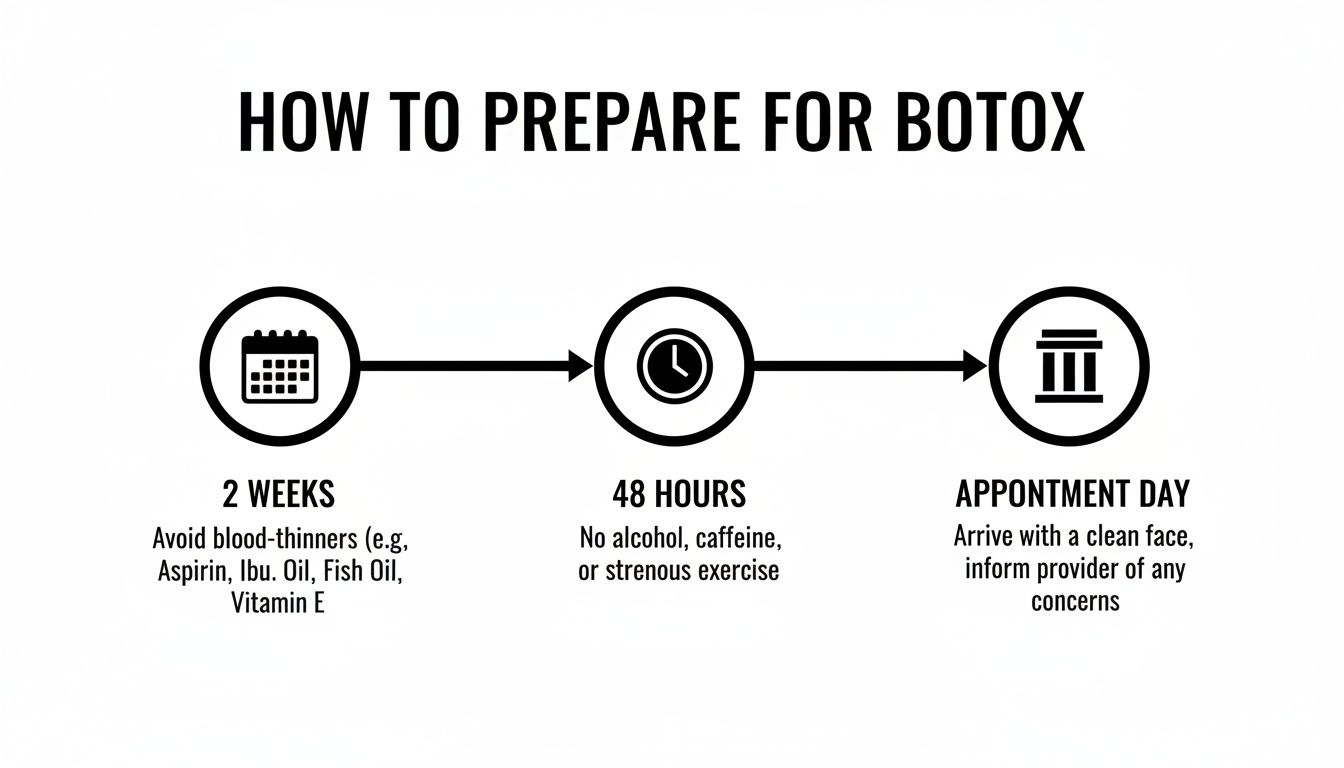
In the last couple of days before your appointment, your focus shifts from supplements to a few lifestyle habits.
The most important one? Alcohol. It’s best to skip that glass of wine or cocktail for 24 to 48 hours beforehand. Alcohol temporarily widens your blood vessels, making them an easier target for the needle and increasing the likelihood of a bruise.
It's also smart to drink plenty of water to keep your skin hydrated and healthy. Try to avoid excessively salty foods right before your appointment, as they can sometimes contribute to swelling. These simple, final adjustments set the stage for a great treatment with minimal downtime.
Alright, your appointment is just around the corner. By now, you've already handled the big stuff, like adjusting medications and supplements. The last 48 hours are all about small tweaks to your daily routine that make a surprisingly big difference. The goal is simple: walk into the clinic feeling relaxed and with your skin in prime condition for the best possible results.
Think of this final stretch as setting the stage. By being mindful of what you eat, drink, and put on your skin, you're not just preparing for the treatment—you're ensuring a smoother recovery and helping your injector achieve that flawless, natural look you're after.
In the 24 to 48 hours leading up to your Botox appointment, it's time to let your skin breathe. That powerful anti-aging routine you love is fantastic for the long haul, but potent active ingredients can make your skin more sensitive right before we use a needle.
We always thoroughly cleanse the skin at the clinic, but it's much better to start with a calm, non-irritated canvas. Temporarily pausing these products helps prevent any extra redness or sensitivity on the day of your treatment.
Here’s a quick list of what to set aside for a day or two:
Instead, switch to the basics. A gentle cleanser and a simple, hydrating moisturizer are all you need. Consider it a mini-vacation for your skin, letting it rest and calm down before your appointment.
This is probably one of the most important—and most overlooked—pieces of advice I give my patients: avoid alcohol for at least 24 to 48 hours before your appointment. It might be tempting to unwind with a glass of wine the night before, but alcohol is one of the biggest culprits behind post-Botox bruising.
Here’s why: alcohol is a vasodilator. It makes your blood vessels expand, including the tiny capillaries in your face. When those vessels are wider, they’re much easier to nick with the fine needle we use for injections. This significantly increases both the risk and the size of a potential bruise.
I often tell patients to think of their blood vessels as tiny garden hoses. When alcohol widens them, any small bump can cause a "leak," which is exactly what a bruise is. Sticking to water keeps those pathways tight and more resilient.
It’s a simple trade-off. Swapping wine for water in the two days leading up to your visit is a small sacrifice that pays off with a much smoother, bruise-free recovery.
That high-intensity spin class or heavy lifting session can wait. It's best to avoid any strenuous exercise for at least 24 hours before your Botox treatment.
Intense physical activity gets your blood pumping, increasing circulation to your face. Just like with alcohol, this elevated blood flow makes bruising more likely at the injection sites. A gentle walk is totally fine, but save the heart-pounding workouts for a few days after your appointment. Showing up calm, cool, and with a normal heart rate is the perfect way to start.
You've done all the prep work, and now the day is finally here. It's totally normal to feel a mix of excitement and a few butterflies. The good news is that the actual appointment is usually quick, simple, and much less intimidating than you might think.
The single best thing you can do for us is to arrive with a clean, makeup-free face. While we always cleanse the skin beforehand, coming in fresh lets your injector immediately see your skin's natural state and muscle movements without having to work around foundation or concealer.
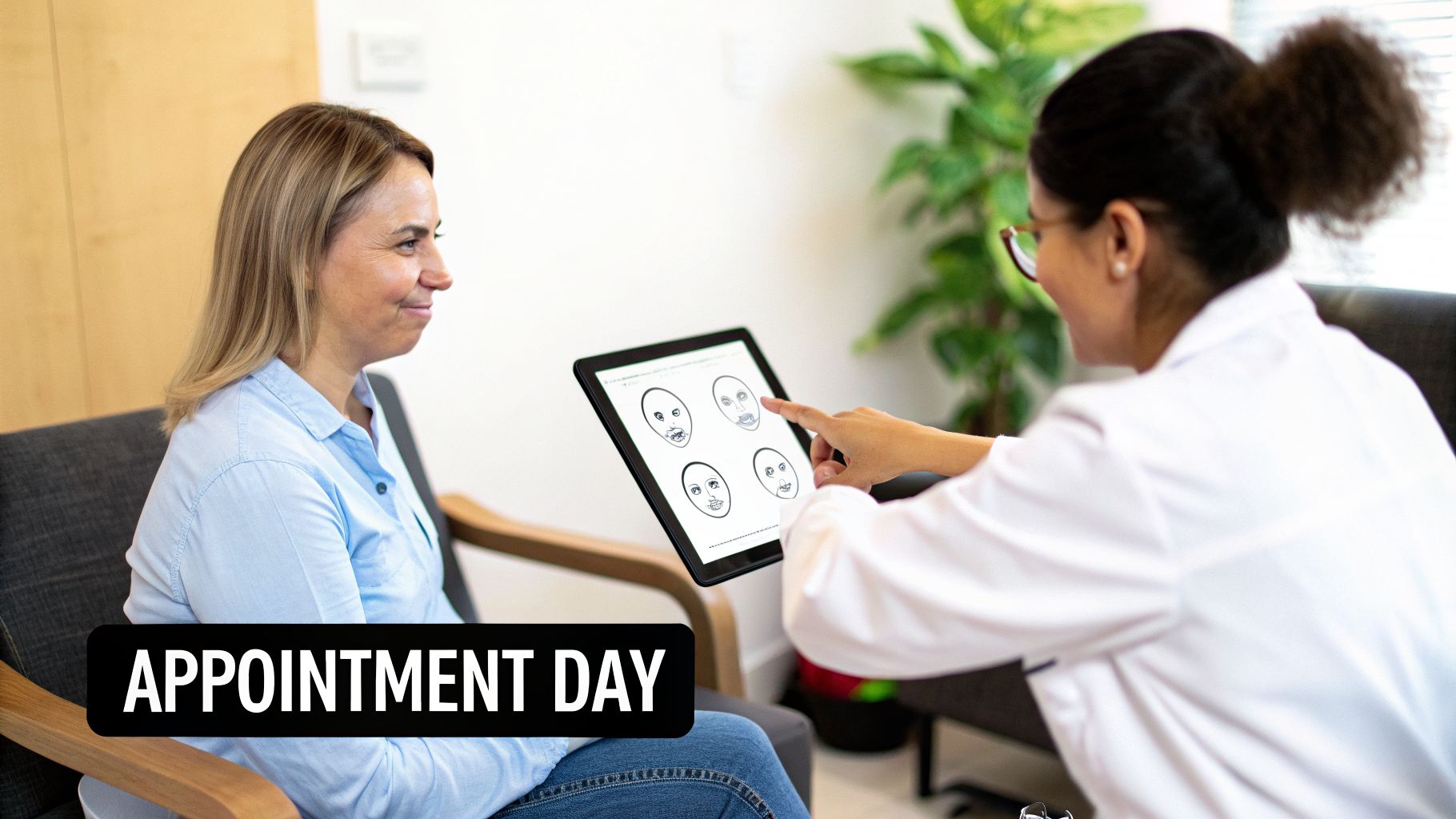
Every appointment, whether it's your first or your fifteenth, should start with a conversation. This is where you and your provider get on the same page, confirm your goals, and fine-tune the plan.
Your injector will ask you to make different faces—frown, look surprised, smile, squint. This isn't just for fun; it’s how we map your facial anatomy. We're looking at how your unique muscles pull, which helps us decide exactly where to place the Botox for a result that looks natural to you.
This is also your time to ask any last-minute questions. Don't be shy! Good questions to ask include:
Once you're comfortable with the plan, your provider will use a cosmetic pencil to mark the exact injection points. This little bit of prep work ensures precision and the best possible outcome.
With the mapping done and your skin cleansed, it's time for the injections. Most people are surprised by how fast this part is—the whole thing often takes less than 15 minutes.
We use an incredibly fine needle, and most patients describe the feeling as a tiny, quick pinch that's over in a second. While numbing cream is an option at some clinics, the discomfort is so minimal that the vast majority of people do just fine without it.
Your comfort is the top priority. If you're feeling nervous, please let us know. A simple distraction, like a gentle tap on your shoulder or a small vibrating tool held against the skin, can work wonders.
Immediately after, you might see small, red bumps at the injection sites, like tiny mosquito bites. This is a perfectly normal response and they usually fade away within 20 to 30 minutes.
What you do in the first few hours post-treatment is key. Following a few simple rules helps the Botox settle into the right muscles and prevents it from migrating where it shouldn't.
Following these guidelines is the best way to protect your investment and ensure a beautiful, symmetrical result. If you're curious about the full timeline, you can learn more about how long it takes for Botox to kick in and what to expect in the days ahead.
Even after you've done your homework, it’s natural to have a few last-minute questions as your appointment gets closer. We get it. Those little "what if" moments are completely normal. Let's walk through some of the most common concerns we hear so you can feel totally confident walking into the clinic.
It’s always best to show up with a clean, makeup-free face. Of course, we’re going to thoroughly cleanse the treatment area no matter what, but coming in bare-faced just makes things a little smoother. It gives your injector an immediate, clear view of your skin and natural muscle dynamics.
If you’re coming straight from the office, don't sweat it. We can absolutely remove your makeup for you. Just know that arriving fresh-faced saves a step and gives us a better canvas to start with right away.
This happens all the time. You’ve been so diligent, and then a headache pops up, and you instinctively reach for an ibuprofen (Advil) or aspirin. The good news? You almost certainly don't need to cancel.
While it's true that NSAIDs thin the blood and can increase the chance of bruising, a single dose a day or two beforehand isn't a dealbreaker. Just give your injector a heads-up when you arrive. Knowing this, they might use an even lighter touch or apply a bit of ice right after the injection to help constrict the blood vessels.
The most important thing is to be open with your provider. We appreciate knowing about anything that could affect your treatment, even something as simple as a pain reliever. It helps us manage the process and set the right expectations.
For first-timers, this is probably the biggest question on their minds. The reality is much less scary than you might be imagining. We use an incredibly fine needle—one of the smallest available for medical use.
Most people describe the sensation as a quick, tiny pinch, almost like a mosquito bite. It’s over in a second. The entire process for a common area like the forehead or crow's feet is often done in less than 15 minutes. While we can offer numbing cream, the vast majority of our patients find the discomfort so minimal they decide to skip it.
Timing is absolutely crucial when you’re prepping for a wedding, reunion, or any major event. So, to answer the question directly: yes, it is a bad idea to get Botox right before it.
Here’s the timeline we recommend for perfect event prep:
For a completely stress-free experience, book your Botox appointment at least 3-4 weeks before your big day. This guarantees your results are settled, any minor side effects are long gone, and there's time for a follow-up. As you consider different cosmetic treatments, you might also find it helpful to compare them, like in this article on Red Light Therapy Vs Botox.
Once your treatment is done, aftercare is just as important as the prep work. Make sure you protect your investment by reading our guide on what to avoid after Botox.
At Cape Cod Plastic Surgery, we believe an informed patient is an empowered one. Dr. Marc Fater and our team are here to answer every question you have, ensuring you feel confident and excited about your treatment. Schedule your consultation with us today by visiting ccplasticsurgery.com.
September 9, 2026
Expert Guide to Proper Surgical Incision Care
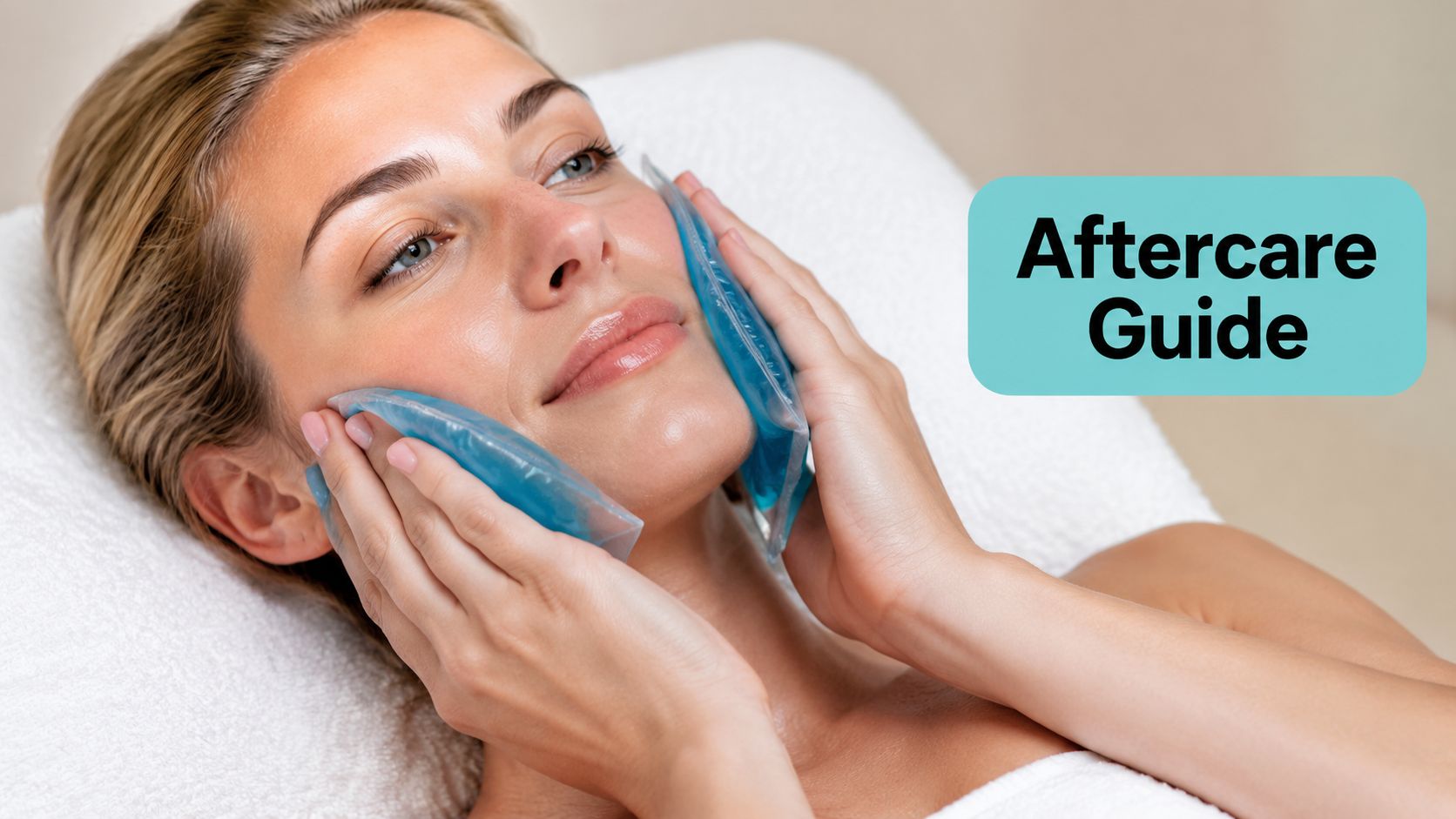
Master dermal fillers aftercare with do's and don'ts, swelling tips, activity limits and warning signs to protect your results and heal smoothly.

September 8, 2026
Ensuring Safety: Why Your Surgeon's Credentials Matter Most

Cape Cod Plastic Surgery offers expert cosmetic and reconstructive procedures in a safe, accredited setting. Led by Dr. Marc Fater, we combine advanced techniques with personalized care to help you look and feel your best.
Monday: 9:00 AM – 5:00 PM
Tuesday: 9:00 AM – 5:00 PM
Wednesday: 9:00 AM – 5:00 PM
Thursday: 9:00 AM – 5:00 PM
Friday: 9:00 AM – 5:00 PM