

October 7, 2026
What to Expect During Your Breast Surgery Recovery
A Practical Guide to Healing After Breast Surgery
Sep 4, 2026

Your path to recovery is a collaborative, patient-centered process that begins long before you enter the operating room. At ccplasticsurgery.com, we prioritize a supportive environment that aligns with your specific aesthetic goals, ensuring that each step of your care is tailored to your unique anatomy and health profile. While some practices treat recovery as a standardized set of tasks, our approach focuses on open communication and guidance, which research suggests is vital for managing realistic expectations and long-term satisfaction.
Cultivating a positive mindset before your procedure is an essential part of the healing journey. By proactively preparing your home and support system, you reduce the physical and psychological stressors that often emerge during the first few days post-surgery. Much like the journeys shared in our Patient Success Stories, successful outcomes depend on balancing excitement with an understanding that healing is a gradual evolution. It is important to remember that individual healing experiences vary significantly, even when following the same medical protocols, as your body navigates the natural physiologic process of tissue repair.

The path to your aesthetic goals begins with a comprehensive consultation, which serves as the foundation for realistic expectations and personalized planning. At ccplasticsurgery.com, we emphasize that a successful outcome relies on aligning your unique motivations with the technical possibilities of the procedure. During this initial phase, our team evaluates your health history to ensure that your surgical plan supports both safety and the desired aesthetic refinement.
While many procedures are now performed on an outpatient basis, the true work of healing occurs after you return home. Following post-operative protocols is the most critical factor in ensuring safety and comfort. These instructions, which detail wound care, medication schedules, and movement restrictions, are designed to protect your results and minimize the risks of complications. Unlike generic recovery guides found online, the tailored plans provided at ccplasticsurgery.com are crafted specifically to the complexity of your procedure and your individual recovery rate.
Healing involves more than just physical repair; it requires balancing your body's physiological needs with emotional readiness. Patients often feel significant improvements in self-esteem following their transformation, but the initial recovery period can be mentally taxing due to temporary swelling or bruising. We encourage you to approach these weeks with patience and mindfulness. By preparing your home environment, arranging necessary assistance, and maintaining open communication with our surgical team, you create a supportive framework that allows you to focus entirely on your restoration.
| Recovery Phase | Primary Goal | Clinical Focus |
|---|---|---|
| Pre-Op | Expectation Setting | Health Optimization |
| Immediate (Days 1-7) | Pain Management | Inflammation Control |
| Intermediate (Weeks 2-6) | Gradual Activity | Scar Maturation |

Are privacy and modesty maintained during plastic surgery procedures? At Cape Cod Plastic Surgery, maintaining patient dignity and modesty is a fundamental aspect of our commitment to personalized, compassionate care. Our clinical team adheres to rigorous protocols designed to protect bodily privacy throughout every stage of the surgical experience, from the initial consultation and pre-operative preparation to the procedure and recovery.
We utilize careful draping techniques to minimize unnecessary exposure and ensure that patients feel comfortable and secure at all times. By fostering transparent communication, we honor our patients' individual preferences and cultural values, ensuring they feel respected and empowered throughout their aesthetic journey.
Every step of our process is conducted with the utmost professionalism within our private, accredited facility to ensure complete confidentiality and comfort. This standard of care is integrated into every interaction, allowing our patients to focus entirely on their physical restoration. Our team recognizes that trust is built on consistency, and we maintain these high standards for every individual in our care.

It is normal for patients to experience a range of emotions during the recovery period, including temporary mood fluctuations, anxiety, or feelings of vulnerability. These responses often stem from the physical adjustment process and the fact that final surgical results take time to emerge as swelling and bruising subside. Because the healing journey involves various stages and changes, some patients may encounter mental well-being stumbling blocks even if they feel prepared. Maintaining realistic expectations is essential, as surgical outcomes enhance appearance but are not a substitute for internal well-being. We encourage open communication with your surgical team about these feelings throughout your recovery to ensure you receive comprehensive, personalized care.
The recovery period often requires patients to reconcile their identity with their temporary appearance, which can be a challenging phase A guide to preserving your mental well-being during your plastic surgery journey. While surgical improvements often boost self-esteem, the initial weeks may involve fatigue as your body directs energy toward healing. At ccplasticsurgery.com, we emphasize that patients who approach the recovery timeline with patience often experience a smoother adjustment. Unlike practices that focus only on physical outcomes, we prioritize the psychological health of our patients by ensuring they have the support necessary to navigate these shifts.
Some patients experience what is commonly called post-op blues, characterized by sadness or reduced motivation as the body recovers from anesthesia and physical trauma. While these feelings typically resolve with time and self-care, persistent symptoms that interfere with your daily life may warrant additional professional attention. We recommend that patients remain connected with their support systems throughout this process. If emotional symptoms become intense or prolonged, reaching out to your surgeon or a mental health professional is a proactive step toward long-term wellness. A guide to preserving your mental well-being during your plastic surgery journey. Our team at ccplasticsurgery.com remains available to provide guidance and resources to ensure that every step of your healing remains safe and supported.
Optimizing your recovery begins with strictly adhering to your surgeon's personalized post-operative instructions, as these guidelines are tailored specifically to your procedure and health needs. At ccplasticsurgery.com, patients receive a comprehensive, structured plan that emphasizes patient-centered care and safety. Prioritizing adequate rest and allowing your body the necessary time to repair itself is essential, as is maintaining proper nutrition and hydration to support tissue healing. You should ensure you have a designated caregiver available for the initial days following surgery to assist with daily living tasks and medication management.
Managing discomfort through the proactive, consistent use of prescribed medications, rather than waiting for pain to escalate, is a key strategy for a smoother experience. UCLA Health notes that effective pain management prevents undue stress, which can lead to longer recovery times. Always avoid all strenuous activities or heavy lifting until cleared by your surgical team, as protecting the surgical site is critical for achieving the best aesthetic results and ensuring your long-term safety. While some practices suggest generic activity timelines, our team at ccplasticsurgery.com monitors individual progress to ensure you are ready for each phase of your recovery.
Swelling is a natural response to surgery, but it can be managed effectively with cold therapy and compression garments. Per ASPS guidelines, avoid applying ice directly to the skin, instead using a protective barrier to shield healing tissue. Consistent elevation and following your specific schedule for compression wear are vital for reducing inflammation. These proactive steps support the lymphatic system and help ensure that your final results emerge as planned.
Recovery after cosmetic surgery is a physiological process that evolves in predictable stages. Understanding these milestones helps patients maintain perspective as their bodies transition from the initial surgical phase toward long-term healing.
Patients often report that the third day following a surgical procedure is particularly challenging as the protective effects of long-acting local anesthetics or nerve blocks administered during the operation finally wear off. This transition coincides with the body’s peak inflammatory response, as immune cells migrate to the surgical site to begin the complex process of tissue repair. Furthermore, by day three, the initial adrenaline and stress hormones from the procedure have subsided, leaving patients more acutely aware of their physical sensations. This period is also when post-operative swelling and edema often reach their maximum, creating increased internal pressure and tightness around the incision areas. Understanding this timeline is a normal part of the recovery process, and our team remains dedicated to providing personalized guidance to help you manage your comfort effectively during this phase.
Recovery complexity generally increases with the extent of tissue manipulation, the size of the treatment area, and the invasiveness of the surgical technique. Procedures that involve significant structural changes, such as full facelifts, abdominoplasty, or comprehensive body lift surgeries, typically require a longer period of post-operative management than more localized interventions. Combining multiple procedures into a single operative session can also extend the body’s healing requirements. While individual recovery timelines vary based on age, genetics, and overall health, more extensive surgeries necessitate diligent adherence to post-operative care to ensure optimal results. Our clinical team at ccplasticsurgery.com works closely with each patient to provide recovery plans tailored to the specific demands of their procedure.
While patients often look for immediate gratification, the final aesthetic outcome is a gradual realization. It is important to remember that final results for many procedures often require 12 to 18 months for swelling and bruising to resolve completely. Consistency in your post-operative routine, including proper scar maturation care and following all medical instructions, remains the most reliable path to achieving your aesthetic goals.
Achieving your aesthetic goals is a partnership that extends well beyond the initial healing phase. At ccplasticsurgery.com, we emphasize that maintaining your results requires a consistent commitment to a healthy lifestyle. Long-term wellness relies on protecting your skin from UV exposure, maintaining a stable weight, and adhering to a quality skincare regimen as recommended by Dr. Marc Fater.
As reported by the American Society of Plastic Surgeons, a growing trend involves patients focusing on refined enhancements rather than complete transformations, ensuring natural-looking results that age gracefully. This shift highlights the value of ongoing professional guidance rather than viewing surgery as a singular event.
Embracing your transformation is a journey of confidence and self-care. Whether you are addressing age-related changes or seeking reconstructive support, your dedication to following personalized aftercare protocols ensures that your results reflect the investment you have made in yourself. Trusting in a professional practice for your long-term follow-up care remains the most effective strategy for sustaining the results you have worked so hard to achieve.
October 7, 2026
A Practical Guide to Healing After Breast Surgery

October 6, 2026
Your Safety Guide: What to Look for When Choosing a Plastic Surgeon
October 5, 2026
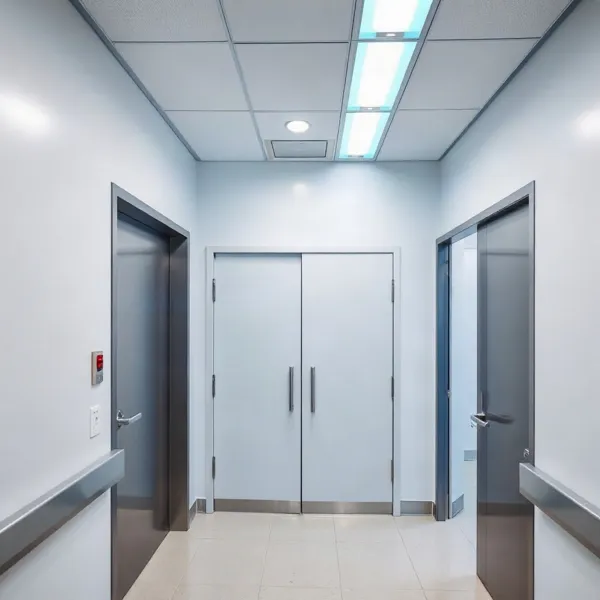
Why Our On-Site Accredited Facility Matters for Your Safety

Cape Cod Plastic Surgery offers expert cosmetic and reconstructive procedures in a safe, accredited setting. Led by Dr. Marc Fater, we combine advanced techniques with personalized care to help you look and feel your best.
Monday: 9:00 AM – 5:00 PM
Tuesday: 9:00 AM – 5:00 PM
Wednesday: 9:00 AM – 5:00 PM
Thursday: 9:00 AM – 5:00 PM
Friday: 9:00 AM – 5:00 PM