

October 1, 2026
How Body Contouring Enhances Your Natural Shape
Reshaping Your Silhouette: A Guide to Body Contouring
Oct 1, 2026
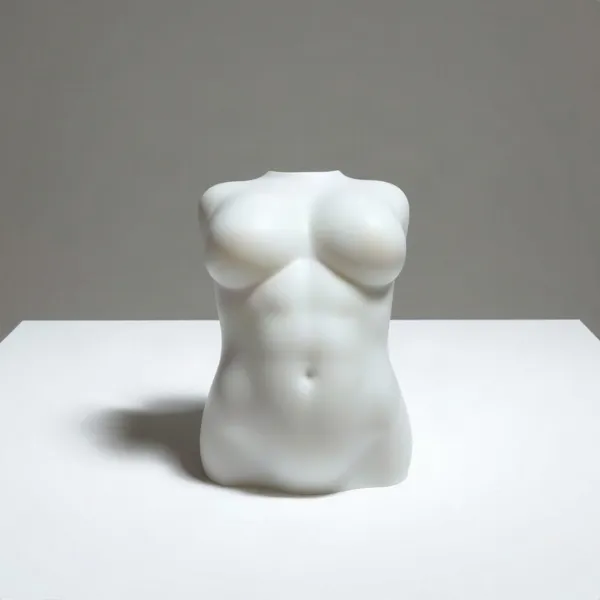
Liposuction is a body contouring procedure, not a weight loss method. It targets stubborn fat pockets that resist diet and exercise, such as those on the abdomen, hips, and thighs.
Ideal candidates are at or near a stable, healthy weight with good skin elasticity. This article focuses on realistic expectations and outcomes, helping you determine what liposuction can achieve for your figure.

Liposuction is a surgical body contouring procedure that uses suction to remove stubborn fat from specific areas like the abdomen, thighs, and arms. The process begins with the surgeon making small, discreet incisions in the skin. A thin, hollow tube called a cannula is then inserted through these incisions to break up and vacuum out unwanted fat cells, effectively reshaping the body's contours.
Different techniques are employed to enhance precision and recovery. The most common is tumescent liposuction, where a solution of saline, anesthetic, and epinephrine is injected to numb the area and reduce bleeding. Laser-assisted liposuction uses a laser fiber to liquefy fat before removal, while power-assisted liposuction uses a rapidly vibrating cannula to break up tough fat more easily. Your surgeon will recommend the best approach based on your anatomy and goals.
During your consultation at CC Plastic Surgery, your medical history and specific concerns are reviewed to create a personalized treatment plan. The procedure permanently removes fat cells from treated areas. When you gain weight, fat cells expand; liposuction lowers the number of cells in a specific area, meaning the resulting shape change is permanent as long as your weight remains stable. It is important to understand that liposuction is designed for contouring, not for significant weight loss. Patients at a stable, healthy weight who have localized fat pockets resistant to diet and exercise tend to see the best outcomes.
Liposuction procedures can last up to several hours, depending on how many areas are treated and the volume of fat removed. The procedure can be performed under local anesthesia (numbing a specific area) or general anesthesia, with the surgical team monitoring your heart rate and blood pressure throughout. You can find detailed information on how the procedure works and what to expect on the Mayo Clinic's liposuction page.

Liposuction is highly effective at removing fat cells from specific areas where diet and exercise have not produced the desired results. Common treatment zones include the abdomen, thighs, hips, flanks, upper arms, back, chin, and neck. The procedure is a body-contouring tool, not a method for weight loss. Most patients lose only a few pounds of fat, and the best results are seen in individuals who are already close to their ideal weight.
A critical limitation is that liposuction cannot tighten loose or sagging skin. If skin has lost elasticity due to aging, pregnancy, or significant weight loss, it will not conform smoothly to the new contours after fat removal. Patients with skin laxity may need a separate procedure such as a tummy tuck or arm lift. At ccplasticsurgery.com, the combination of liposuction with a tummy tuck is a common recommendation for those who need both fat removal and skin tightening.
Liposuction does not treat cellulite. The dimpled appearance of cellulite is caused by fibrous bands pulling on the skin, not by the soft fatty tissue that liposuction removes. The Cleveland Clinic notes that because liposuction leaves these fibrous bands intact, it can in some cases worsen the appearance of cellulite.

Liposuction produces the best results for individuals who are already close to their ideal body weight but carry stubborn, localized fat deposits. Ideal candidates have firm, elastic skin that can conform smoothly to the new contours after fat removal.
Certain factors can disqualify a person from being a good candidate. Liposuction is not a weight-loss method, so significant obesity is a contraindication. Medical conditions such as heart disease, uncontrolled diabetes, or a weak immune system increase surgical risks and may rule out the procedure. Smoking also impairs healing and raises complication rates. Poor skin elasticity may lead to rippling or loose skin after fat removal, which liposuction alone cannot correct.
Patients must also hold realistic expectations. Liposuction reshapes specific areas — it does not produce large-scale weight loss or tighten loose skin. The expectation of a dramatic transformation from a few pounds of removed fat is not realistic.
A thorough consultation with a board-certified plastic surgeon is the only way to assess individual candidacy. During this evaluation, the surgeon reviews your medical history, skin type, and aesthetic goals to determine whether liposuction is safe and appropriate for your situation.
Because liposuction is classified as an elective cosmetic procedure, health insurance plans almost never cover it. Patients should expect to pay for it out of pocket. One rare exception involves lipedema, a medical condition in which liposuction may be deemed medically necessary and partially covered. Even so, most patients plan for full self-pay.
Nationwide, the cost of liposuction varies by the number of areas treated and the surgeon's expertise. Single-area treatments typically range from $2,500 to $8,000, while total procedures (treating multiple areas or combining with other surgeries) can run from $4,000 to over $15,000. At CC Plastic Surgery, the consultation includes a personalized quote based on your treatment plan and goals.
Liposuction is generally less expensive than a tummy tuck, but the two procedures address different problems. A tummy tuck removes excess skin and tightens separated abdominal muscles—common after pregnancy or major weight loss. Liposuction removes only stubborn fat; it does not fix loose skin or muscle laxity. Choosing between them based on cost alone can lead to disappointment. The right choice depends on whether your main concern is fat, skin, or both.
For patients who need both, combining procedures can be effective. A tummy tuck combined with liposuction at CC Plastic Surgery allows a single recovery period while achieving a flatter, more contoured abdomen. The practice also offers financing through CareCredit to make treatment more manageable.
Liposuction is a surgical procedure, and understanding the risks and recovery timeline helps you make an informed decision. Common side effects include swelling, bruising, and temporary numbness, which typically subside within the first few weeks. More serious risks, while rare, include infection, bleeding, contour irregularities, and reactions to anesthesia. Choosing a board-certified surgeon like Dr. Marc Fater and following all pre- and post-operative instructions are the most effective ways to minimize these risks.
Tumescent liposuction is widely regarded as the safest liposuction technique and is the most common cosmetic procedure performed in the US today. This method involves infusing a solution containing local anesthetic and epinephrine into the fatty layer before fat removal, which significantly reduces bleeding and discomfort. Because it is performed under local rather than general anesthesia, it avoids many risks associated with other approaches.
Most patients return to light activities within one week, though strenuous exercise should be avoided for at least four to six weeks. Swelling and bruising begin to subside within the first month, but final contour refinement can take three to six months. Wearing a compression garment during recovery is essential—it helps reduce swelling, supports the skin as it molds to the new shape, and promotes smoother results.
At CC Plastic Surgery, Dr. Fater uses advanced tumescent liposuction to provide safe, effective body contouring. The practice emphasizes personalized, patient-centered care within an accredited facility, helping you achieve lasting results with minimal downtime. Long-term maintenance depends on a stable weight and healthy lifestyle, but the fat cells removed are gone for good.
Liposuction permanently removes fat cells from treated areas, and those cells cannot grow back. This is why the procedure is considered a lasting body contouring tool rather than a temporary fix. According to the Mayo Clinic, the resulting shape changes are usually permanent as long as your weight remains stable.
Year after year, people choose liposuction because the fat cells removed are gone for good. But your body years after the procedure will reflect the choices you make in maintaining your weight. While the cells in the treated area are permanently eliminated, the remaining fat cells elsewhere can still expand with weight gain, potentially altering the overall contour you worked to achieve.
Natural aging and hormonal changes can affect how your results appear over time, as skin elasticity and muscle tone gradually decrease. This is especially noticeable in areas like the abdomen and thighs, which are prone to changes from factors like pregnancy, menopause, or weight fluctuations. Liposuction does not stop these natural processes, but it does give you a permanent advantage by reducing the number of fat cells in targeted areas. At CC Plastic Surgery, we emphasize that while the fat cells are permanently removed, a stable weight and healthy lifestyle are essential to preserving your new shape.
Healthy diet, regular exercise, and a stable weight are the cornerstones of long-lasting liposuction results. The Cleveland Clinic notes that maintaining your weight after the procedure is critical, because any weight gain can enlarge remaining fat cells and compromise your contour. Most patients find that committing to a balanced lifestyle not only helps maintain their results but also supports their overall health and confidence for years to come.
Fat Cell Permanence. Liposuction permanently removes fat cells from treated areas. They cannot grow back, offering a lasting reduction in fat volume.Weight Stability. Remaining fat cells can expand with weight gain, so staying within a few pounds of your post-procedure weight is the best way to protect your results.Natural Aging. Skin loses elasticity and muscle tone over time, which can alter the appearance of treated areas, but does not reverse fat cell removal.Lifestyle Commitment. A balanced diet and regular exercise help you maintain a stable weight and keep your contoured shape looking its best for the long term.
Liposuction permanently removes fat cells from targeted areas, but it is not a weight-loss tool or a treatment for obesity. The ideal candidate is someone at or near their goal weight who wants to address localized pockets of fat that resist diet and exercise. As the Mayo Clinic explains, the procedure removes stubborn fat deposits but does not prevent future weight gain or address loose skin. Understanding this distinction from the start helps you approach surgery with a clear, realistic mindset.
Liposuction can dramatically improve body contours by slimming areas such as the abdomen, thighs, hips, back, arms, and neck. It works best on patients with good skin elasticity, which allows the skin to contract smoothly over the newly contoured areas. The Cleveland Clinic notes that the procedure permanently removes fat cells from treated regions, meaning they will not return in those specific spots. However, if you gain weight later, remaining fat cells in other areas can expand, altering your overall shape.
At Cape Cod Plastic Surgery, Dr. Marc Fater and his team focus on personalized treatment planning to ensure each patient understands what is possible. Unlike generic liposuction-only practices, the consultation includes a thorough evaluation of your skin quality, fat distribution, and overall health. This patient-centered approach ensures that the procedure is tailored to your anatomy, not just your target area.
It is equally important to recognize the limitations of liposuction. The procedure cannot remove visceral fat, the deep fat surrounding your organs, which is linked to metabolic health risks. According to research cited by Cape Cod Plastic Surgery, liposuction only removes subcutaneous fat, the layer just under the skin. Additionally, liposuction does not tighten loose or sagging skin. If you have poor skin elasticity, you may need a complementary procedure like a tummy tuck to achieve a smooth, firm result.
Competitors often oversell liposuction as a catch-all body contouring fix. At Cape Cod Plastic Surgery, we provide honest guidance on what liposuction can and cannot achieve, helping you avoid disappointment. For example, if your primary concern is excess skin rather than fat, we will recommend an appropriate alternative, such as a tummy tuck, rather than proceeding with a procedure that won't address your needs.
Recovery varies by patient and the extent of the procedure. Most patients experience swelling, bruising, and soreness for the first one to two weeks, with gradual improvement over several months. The American Society of Plastic Surgeons advises that final results may not be visible until three to six months post-surgery, once swelling fully resolves. Wearing compression garments as directed helps minimize swelling and supports skin retraction.
During your recovery, it's crucial to maintain a stable weight. While liposuction permanently removes fat cells, remaining fat cells can expand with weight gain, compromising your results. A healthy diet and regular exercise are essential to preserving your new contours. Cape Cod Plastic Surgery provides detailed post-operative instructions and ongoing follow-up care to monitor your progress and address any concerns.
The success of your liposuction depends heavily on the skill and experience of your surgeon. A board-certified plastic surgeon with extensive liposuction experience can minimize risks and achieve natural-looking results. At Cape Cod Plastic Surgery, Dr. Fater's expertise in both cosmetic and reconstructive procedures ensures that you receive safe, high-quality care in an accredited facility.
During your consultation, ask about the surgeon's approach to liposuction, including the techniques they use and their complication rates. Review before-and-after photos of previous patients to gauge the quality of their work. This diligence helps you make an informed decision and increases the likelihood of a satisfying outcome.
Liposuction is not a shortcut to weight loss; it is a tool for refining your body contours. Long-term success depends on your commitment to a healthy lifestyle. Maintaining a stable weight through balanced nutrition and regular physical activity is the best way to protect your results for years to come.
At Cape Cod Plastic Surgery, we emphasize a partnership with our patients. From your first consultation through your final follow-up, we provide the education and support you need to achieve and maintain your aesthetic goals. If you're considering liposuction, schedule a consultation to discuss your options with a board-certified surgeon who prioritizes your safety and satisfaction.
October 1, 2026
Reshaping Your Silhouette: A Guide to Body Contouring

October 1, 2026
Your Guide to Protecting Your Investment: Long-Term Skincare After Aesthetic Procedures
October 1, 2026
Sculpting Your Shape: What Liposuction Really Does

Cape Cod Plastic Surgery offers expert cosmetic and reconstructive procedures in a safe, accredited setting. Led by Dr. Marc Fater, we combine advanced techniques with personalized care to help you look and feel your best.
Monday: 9:00 AM – 5:00 PM
Tuesday: 9:00 AM – 5:00 PM
Wednesday: 9:00 AM – 5:00 PM
Thursday: 9:00 AM – 5:00 PM
Friday: 9:00 AM – 5:00 PM