
September 9, 2026
How to Care for Surgical Incisions Properly
Expert Guide to Proper Surgical Incision Care
Jun 16, 2026

The question usually arrives before surgery day. You're excited about the change, you've picked a date, and then a quieter concern starts to take over: How much is breast augmentation recovery pain really going to affect me?
That concern is reasonable. Patients in Hyannis and across Cape Cod often come in less worried about the procedure itself than about the first few days afterward. They want to know whether they'll be miserable, whether they'll be able to sleep, and how soon they'll feel like themselves again.
The reassuring truth is that recovery pain after breast augmentation is real, but it's also predictable, temporary, and manageable. Most patients do best when they stop thinking of recovery as one long stretch of discomfort and start thinking of it as a short early phase followed by steady improvement. When you know what's normal, you're less likely to feel alarmed by sensations that are part of healing.
Breast augmentation recovery pain is not a sign that something has gone wrong. It's the body's response to swelling, tissue stretching, and, in some cases, muscle involvement depending on how the implant is placed. Most patients describe the early feeling less as sharp pain and more as pressure, tightness, soreness, and heaviness across the chest.
That distinction matters. Patients often expect one type of pain and feel another. If you expect a constant stabbing pain, normal post-op tightness can feel frightening. If you understand ahead of time that the chest may feel firm, full, and sore with movement, the experience is easier to interpret calmly.
Early discomfort commonly includes:
Some days, the tightness is more bothersome than actual pain. That's especially true when getting out of bed, reaching for something, or trying to find a comfortable sleeping position.
Practical rule: Recovery is easier when you expect discomfort to change from day to day instead of disappearing in a straight line.
Patients do well when they prepare for recovery with the same seriousness they give the surgery itself. Arrange help at home, set up your sleeping space, place medications and water within easy reach, and clear your calendar enough that you're not trying to “push through” the first several days.
The goal isn't to be tough. The goal is to heal well.
You get home to Cape Cod after surgery, settle into your recovery spot, and by that evening the chest feels tight, heavy, and sore. For many patients at our practice, that first question is simple: Is this the hard part, or is it about to get worse?
In most cases, the first few days are the peak of discomfort. According to specialty guidance on breast implant recovery stages and pain, pain is usually strongest in the first 2 to 3 days, often improves meaningfully by week 2, and healing continues over the next several weeks. That overall pattern helps, but day-by-day expectations matter more when you are actually living through recovery.
At Cape Cod Plastic Surgery, I encourage patients to judge progress in small steps. Morning may feel tighter than afternoon. The left side may feel different from the right. One good day can be followed by a more swollen, more tired day after doing too much. That does not usually mean something is wrong. It means healing is active.
This is usually the most uncomfortable stretch.
Expect chest pressure, muscle tightness, swelling, and fatigue. Getting out of bed, standing up straight, pulling on a sweatshirt, or reaching for a glass can feel more difficult than patients expect. If your implants were placed under the muscle, that tight feeling is often more noticeable early on.
The goal during this window is not productivity. The goal is comfort, short walks around the house, fluids, and staying ahead of pain with the plan we gave you. Patients who prepare a recovery area before surgery usually have an easier first 48 hours, especially here on the Cape where the ride home can feel longer once anesthesia wears off. If you want a practical review of timing, positioning, and medication basics, our guide to pain management after surgery covers that clearly.
By the middle to end of the first week, the sharpest edge usually settles down. Patients often describe this phase as less painful but more annoying. The breasts can feel firm, high, swollen, and stiff. Sleep is still awkward. Energy is not back yet.
This is also when people are tempted to do too much because they are improved, but not healed. A grocery run, a long car ride, housework, or repeated arm motion can leave you more sore by evening. For Cape Cod patients, that often shows up after a busy weekend at home or an attempt to get back to summer routines too quickly.
Some patients are easing off stronger medication during this stretch. Others still need it at times. Both can be normal.
Week 2 usually feels more manageable. You may still have tenderness, tightness, swelling, or areas of numbness. Brief tingling or little shooting sensations can happen as nerves recover. Those sensations are common and usually temporary.
What changes most at this stage is your sense of control. You are often moving more comfortably, sleeping a bit better, and thinking less about your chest every minute of the day. That said, overuse still catches up with patients. Recovery is improving, but it is not finished.
If you have a history of chest, shoulder, or posture issues, guided movement can be useful later in recovery. Some patients also find value in learning how post-surgical mobility work is approached in Lake City Physical Therapy's program, especially when stiffness in the upper body becomes part of the picture.
At this point, discomfort usually drops into the background. Many patients still feel occasional pulling, pressure with certain movements, or tenderness if the chest is bumped or if they roll onto their side in bed. The breasts may also still sit high or feel firmer than expected. That improves gradually.
This phase requires patience more than pain tolerance. Patients often look normal to others before they feel fully normal themselves. That gap is important to understand. Looking good in clothing does not mean the tissues are ready for unrestricted activity.
| Timeframe | Expected Sensation | What to Focus On |
|---|---|---|
| Days 1 to 3 | Tightness, pressure, soreness, fatigue | Rest, short walks, medication as directed, upper-body support |
| Days 4 to 7 | Less intense pain, more stiffness and swelling | Ease back slowly, avoid overusing your arms, protect sleep |
| Week 2 | Clear improvement, lingering tenderness and odd nerve sensations | Steady routine, light activity, patience with uneven days |
| Weeks 3 to 6 | Mild soreness with certain movements, gradual softening | Follow activity restrictions, let tissues settle, avoid rushing exercise |
One bad afternoon does not define the week. The trend that matters is whether each week feels easier to manage than the one before it.
Good pain control starts before pain becomes intense. The patients who suffer most are often the ones who wait too long to take medication, skip support garments, twist too quickly, or underestimate how much positioning affects comfort.
The first priority is consistency. Use the plan you were given. Don't improvise in the first days.
Prescription medication is often most useful early, when discomfort is front-loaded and movement feels restricted. Taking it on schedule in that period usually works better than waiting until pain is already strong. As the chest settles, most patients taper down and rely less on stronger medications.
If you want a broader overview of post-op comfort planning, our practice has a straightforward guide on pain management after surgery that walks through the basics in plain language.

Several non-medication strategies reliably make recovery easier:
Patients sometimes try to “test” themselves too early. They skip the bra for a few hours, sleep flatter than recommended, or start doing household tasks because they're bored. That usually backfires. Healing tissue doesn't respond well to sudden enthusiasm.
Rest isn't passive. In the first phase, it's part of the treatment.
For patients who benefit from more guided movement after breast or chest-related procedures, I also like to point people toward resources that explain how therapy can support mobility and comfort. Lake City Physical Therapy's program is one example of a useful educational resource for understanding how structured rehabilitation principles can help after breast-area surgery, especially when tightness or guarded movement lingers.
Not every breast augmentation creates the same early recovery experience. One of the most important variables is implant placement. Where the implant sits changes what tissues have to adapt, and that affects how sore the first days can feel.
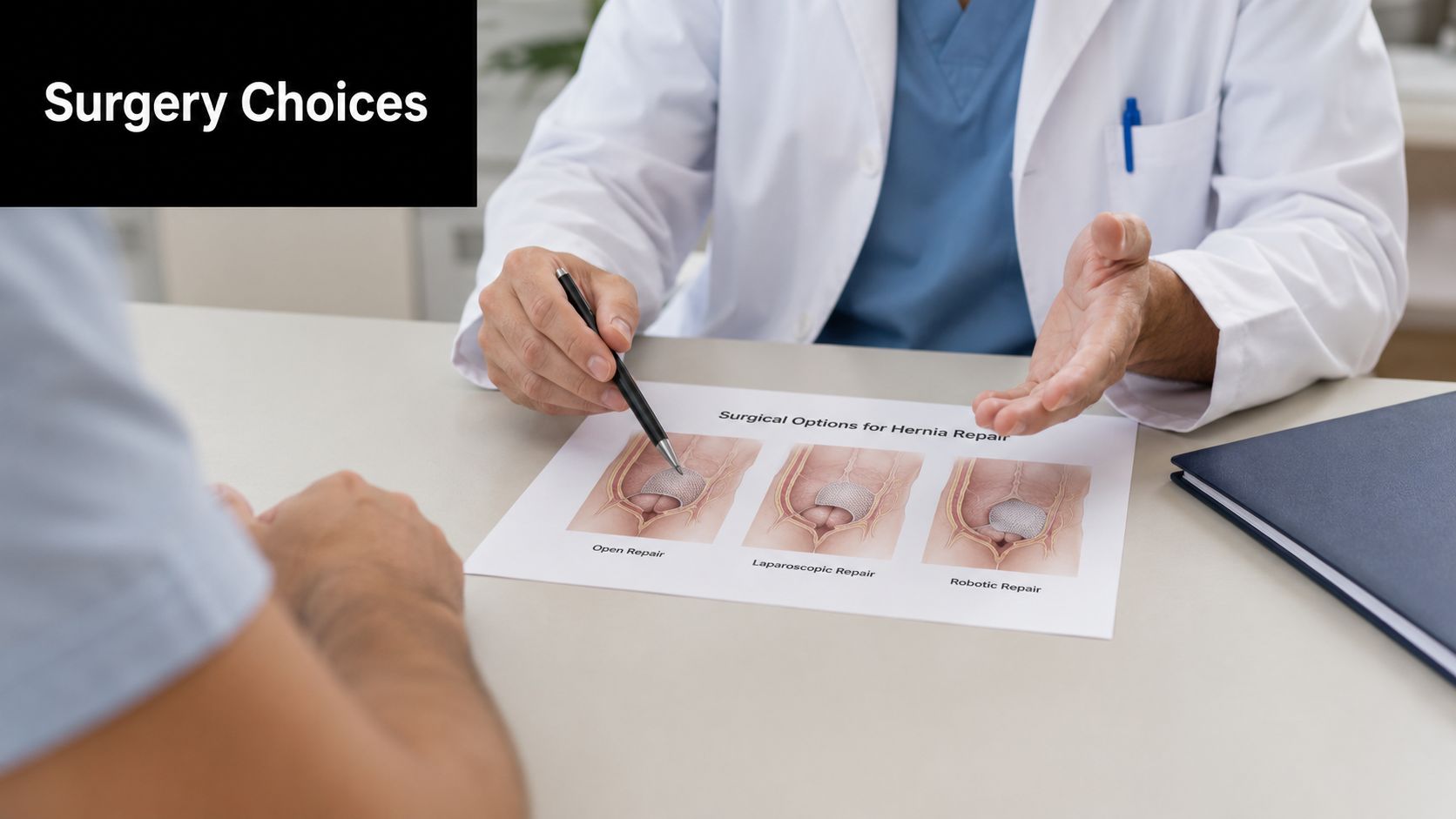
A retrospective study of primary breast augmentation found that subglandular placement had a shorter recovery period than subpectoral placement, with a mean duration of pain of 47.54 hours for the subglandular group versus 66.92 hours for the subpectoral group. That means implant plane changed the pain timeline by roughly 19 hours on average in that dataset, as reported in this study on postoperative pain after breast augmentation.
That finding matches what surgeons see clinically. When the implant is placed beneath the pectoral muscle, the muscle has been involved in the operation. Patients often feel more tightness, more pressure with movement, and a little longer early recovery. When the implant is placed above the muscle, recovery can feel simpler in the first phase.
Less early discomfort doesn't automatically make one approach right for every patient. Implant placement is chosen based on anatomy, tissue coverage, goals, and the look we're trying to achieve. A technique that gives a smoother early recovery may not be the best long-term fit for a given body.
Other details can also shape how healing feels, though usually less dramatically than implant plane:
The right question isn't “Which option hurts least?” It's “Which option fits your anatomy and goals, with a recovery plan that matches that choice?”
Getting back to normal life is where many patients accidentally set themselves back. They start to feel better, and then they treat that first good day as proof that everything is healed. Recovery doesn't work that way. Feeling better and being ready for full activity are not the same thing.

The first week should be quiet. Rest is the main job, but that doesn't mean staying frozen in bed. Gentle walking around the house and short walks help circulation and reduce stiffness. Move your body, but don't challenge it.
Driving, desk work, and simple household tasks should return only when you're comfortable moving safely and you're no longer limited by stronger pain medication. If your work is physical, the timeline is usually more cautious than it is for someone at a computer.
For more ideas on pacing your recovery, this guide to healing after surgery from MedAmerica Rehab Center is a useful general resource on why gradual movement matters and how to think about rebuilding activity after an operation.
One of the most common mistakes is lifting too soon. Patients pick up groceries, laundry baskets, children, or pets because the task seems quick. The problem isn't just the weight. It's the chest engagement, sudden strain, and increase in swelling that can follow.
A simple rule works well: if an object makes you recruit your chest or brace through your upper body, leave it alone until you've been cleared. This is one reason sleep positioning and getting out of bed correctly matter too. Everyday movements can become accidental workouts.
Lower-intensity activity returns before full exercise. Vigorous upper-body workouts, running, and anything that bounces or strains the chest should wait until healing is far enough along and you've been examined. Patients who respect that sequence usually feel better and protect their final result.
Sleeping comfortably also affects how ready you feel during the day. If that's one of your main concerns, our article on how to sleep after breast augmentation can help you set up a more comfortable recovery position.
Most discomfort after breast augmentation is expected. Still, there's a clear difference between normal healing soreness and symptoms that deserve attention. The goal isn't to make you anxious. It's to help you recognize when something has moved outside the usual pattern.
Call if pain becomes suddenly worse, especially after a period of improvement. A recovery that has been trending in the right direction shouldn't abruptly reverse without a reason.
Also call for:
These are not situations where you should wait several days and hope they settle on their own.
Patients are often told to expect asymmetry during healing, and that's true. But major or sudden one-sided swelling deserves assessment. If you'd like to understand one possible cause in more detail, our article on hematoma after breast implant surgery explains why a collection of blood can change pain and breast shape early in recovery.
If you're debating whether to call, call. Reassurance is part of postoperative care.
That's common. Your body isn't perfectly symmetrical, and neither side always heals in exactly the same way. One side may have more swelling, more muscle tightness, or more tenderness around the incision. Mild side-to-side differences are usually normal if the overall trend is improvement.
They often are. As swelling changes and sensation begins to return, patients sometimes feel brief stings, tingles, or little electric sensations. These moments can feel strange, but they're commonly part of nerve recovery rather than a sign that something is wrong.
Yes. Prepare your space, arrange help, fill prescriptions in advance, choose front-opening clothing, and set up your sleeping area before the procedure. Patients recover more calmly when they don't have to solve practical problems while sore and tired.
Usually no. The hardest part is generally early, and then the discomfort changes character. Instead of intense pain lasting for the entire healing period, most patients experience a short front-loaded phase followed by soreness, tightness, and gradual improvement.
Pain tolerance varies. Good recovery isn't about being stoic. It's about communicating, using the plan you were given, and letting your surgical team adjust guidance when needed. Patients often feel better once they stop measuring themselves against someone else's story.
If you're considering breast augmentation and want guidance that's specific to your body, your surgical plan, and your recovery goals, schedule a consultation with Cape Cod Plastic Surgery. Clear expectations and a thoughtful recovery plan can make the process feel far more manageable from the start.
September 9, 2026
Expert Guide to Proper Surgical Incision Care
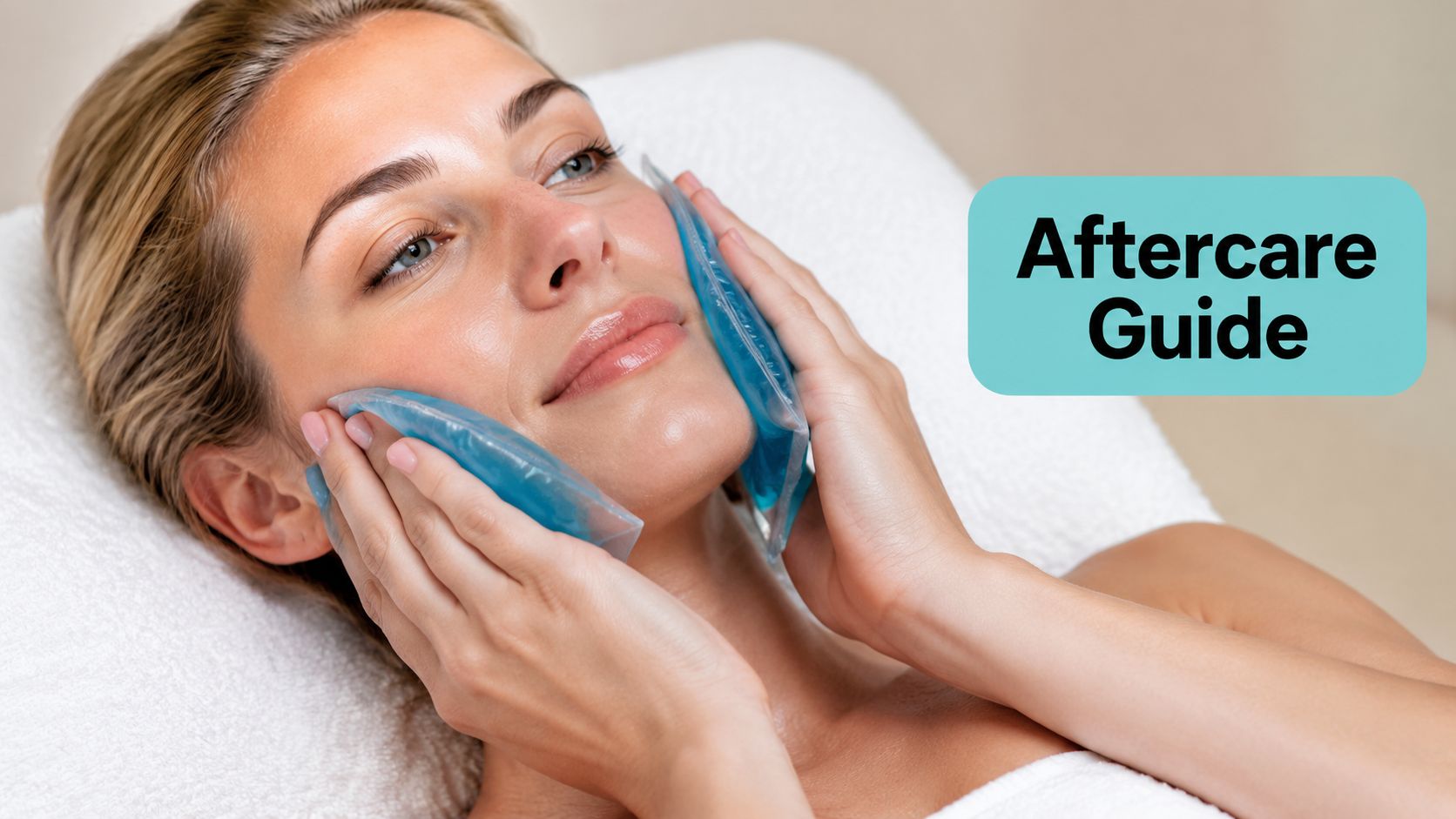
Master dermal fillers aftercare with do's and don'ts, swelling tips, activity limits and warning signs to protect your results and heal smoothly.

September 8, 2026
Ensuring Safety: Why Your Surgeon's Credentials Matter Most

Cape Cod Plastic Surgery offers expert cosmetic and reconstructive procedures in a safe, accredited setting. Led by Dr. Marc Fater, we combine advanced techniques with personalized care to help you look and feel your best.
Monday: 9:00 AM – 5:00 PM
Tuesday: 9:00 AM – 5:00 PM
Wednesday: 9:00 AM – 5:00 PM
Thursday: 9:00 AM – 5:00 PM
Friday: 9:00 AM – 5:00 PM