

October 7, 2026
What to Expect During Your Breast Surgery Recovery
A Practical Guide to Healing After Breast Surgery
Sep 4, 2026
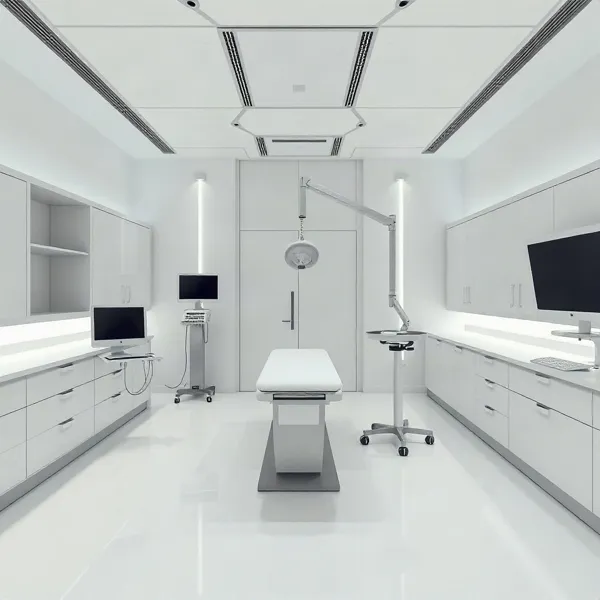
Facility accreditation serves as an essential indicator of safety for patients seeking cosmetic and reconstructive procedures. It represents a formal, voluntary process where a healthcare institution demonstrates compliance with rigorous national standards covering operating room safety, personnel qualifications, and emergency preparedness. By meeting these benchmarks, facilities provide documented assurance that every aspect of the surgical environment is monitored to minimize risks.
Professional oversight is vital to ensuring that surgical environments remain prepared for any medical exigency. Accredited centers, such as those overseen by QUAD A or The Joint Commission, require regular inspections and peer reviews to maintain high levels of care. This commitment to transparency protects patients from substandard settings and ensures that all anesthesia and life-support protocols meet strict benchmarks for patient well-being.
At ccplasticsurgery.com, we maintain a steadfast commitment to patient-centered care and clinical excellence. Unlike facilities that may prioritize cost-cutting over rigorous safety checks, our on-site surgical suite adheres to the highest national standards. We believe that providing a dedicated, well-regulated environment is the cornerstone of successful surgical outcomes and long-term patient confidence.
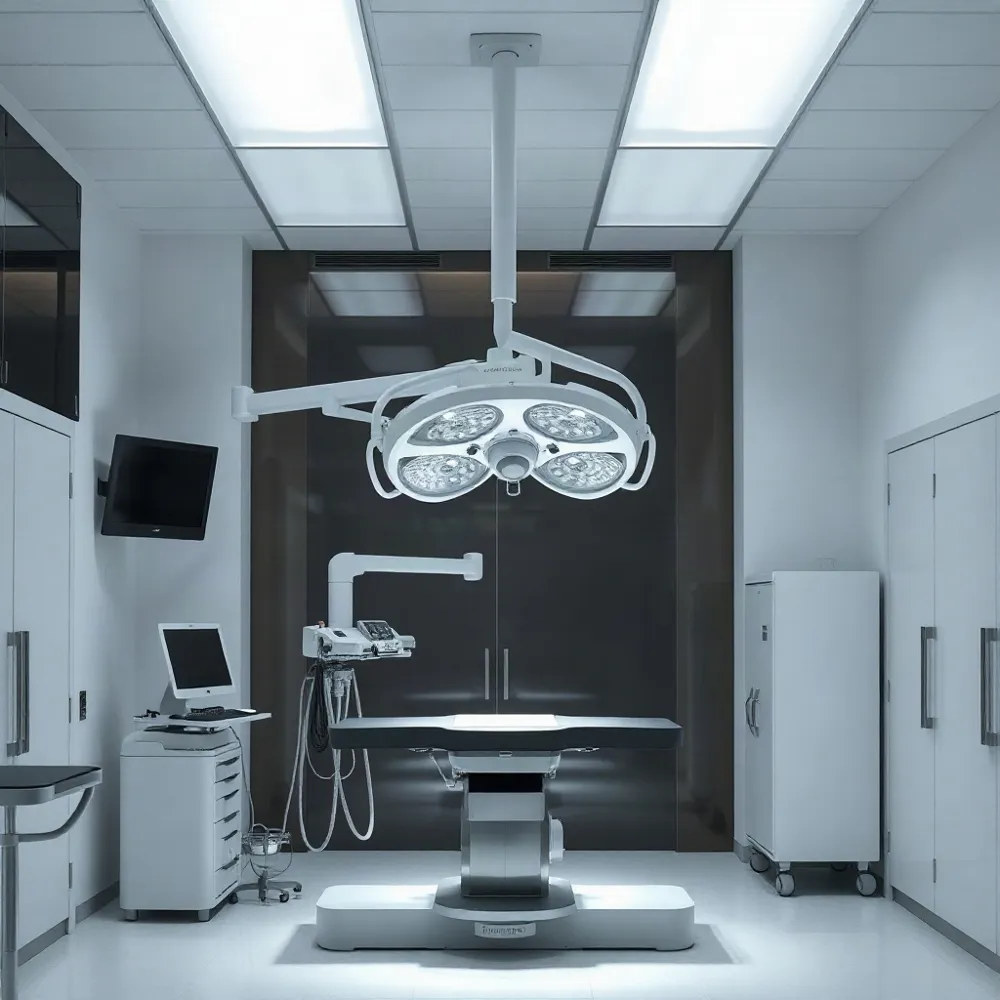
Accreditation by organizations such as QUAD A (formerly AAAASF), the AAAHC, or The Joint Commission signifies that a plastic surgery clinic has voluntarily submitted to a rigorous, independent evaluation of its facility, safety protocols, and clinical standards. This process ensures the practice adheres to the highest industry benchmarks for patient safety, equipment sterilization, emergency preparedness, and operational excellence.
At ccplasticsurgery.com, we view these standards as the baseline for providing secure, patient-centered care. While some private facilities might bypass these voluntary inspections to reduce overhead, our commitment to accredited surgical suites ensures our environment is routinely verified by independent surveyors. This rigorous inspection covers everything from the maintenance of high-tech surgical equipment and the functionality of life-support systems to the strict enforcement of sterile operating protocols.
Achieving this status demonstrates a proactive commitment to maintaining a secure, professional environment that prioritizes the well-being of every patient throughout their surgical journey. For patients, choosing an accredited facility offers essential peace of mind, as it confirms that the practice has met strict criteria designed to minimize risk and optimize clinical outcomes. Accreditation is not merely a label, but a foundational dedication to medical accountability, ensuring that emergency transfer plans and resuscitation equipment are always ready for immediate deployment should the need arise.

Medical licensure allows a doctor to practice medicine, but it does not equate to the specialized training required for plastic surgery. Unlike general practitioners, a board-certified plastic surgeon has completed years of intensive surgical residency, ensuring they possess the technical skill and clinical judgment needed to perform complex cosmetic and reconstructive procedures. At ccplasticsurgery.com, we prioritize these credentials because they indicate a specialist who has met the rigorous standards set by national governing bodies.
A key marker of professional competence is the requirement for hospital privileges. Board-certified surgeons are often required to maintain active privileges at local hospitals to perform the same procedures they offer in their private suites. This peer-reviewed accountability ensures that another facility has vetted the surgeon's training and safe operating performance. Many non-board-certified practitioners or those operating in substandard settings may lack this oversight, which plasticsurgery.org warns can lead to increased risks and limited recourse if complications arise.
Choosing a board-certified plastic surgeon ensures your practitioner has met rigorous, nationally recognized standards for education, training, and ethical practice beyond basic medical licensure. This credential requires years of specialized surgical residency, demonstrating that the surgeon possesses the deep clinical judgment and technical expertise necessary to perform complex procedures safely. By selecting a board-certified professional, you benefit from a commitment to continuous learning and evidence-based care, which helps minimize surgical risks and complications. These surgeons are better equipped to anticipate and manage patient needs throughout the surgical process, providing a higher level of safety and quality. Ultimately, choosing a board-certified expert provides you with the peace of mind that comes from knowing your procedure is being performed by a specialist dedicated to achieving optimal, natural-looking aesthetic results.
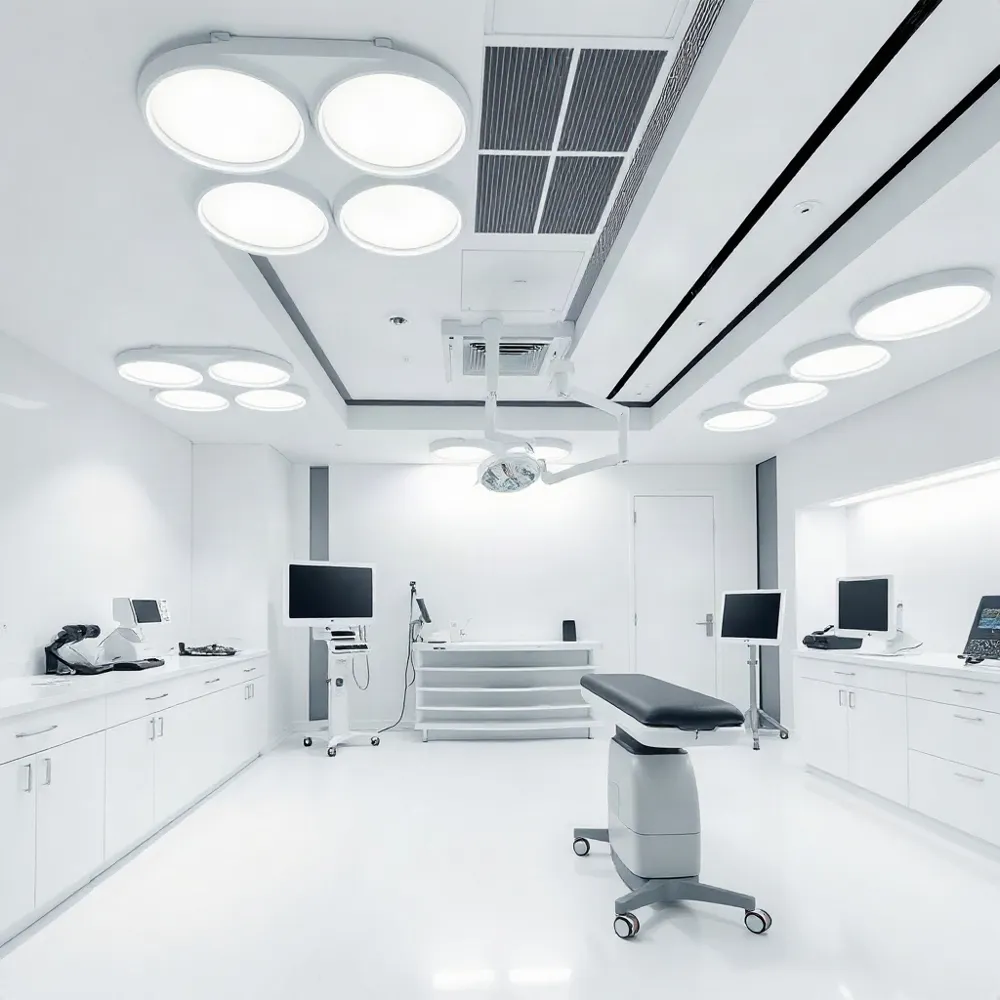
At ccplasticsurgery.com, patient safety is maintained through a comprehensive approach that integrates highly trained surgical teams, rigorous standardized sterile protocols, and the use of advanced, accredited surgical facilities. Unlike some centers that may cut overhead by utilizing unaccredited suites, we ensure our environment is routinely monitored for quality, helping to maintain serious complication rates at less than 0.5% per ASPS data.
A core safety pillar is the presence of licensed anesthesiologists and support staff certified in Advanced Cardiac Life Support. This expertise ensures constant monitoring of respiratory and cardiac function throughout the procedure. We reinforce this readiness by implementing the Universal Protocol, which mandates a pre-procedure verification and a surgical team time-out to confirm the patient, site, and procedure before any work begins.
Comprehensive emergency preparedness remains another critical component of our clinical practice. Every accredited suite is required to have a defined emergency transfer plan and on-site equipment necessary to manage potential complications, ensuring a seamless bridge to a hospital if the need arises. By prioritizing these high-level standards, ccplasticsurgery.com creates an environment where patient security and surgical precision remain the primary focus throughout the entire journey.
Every surgical intervention involves inherent risks, including responses to anesthesia, the possibility of infection, or the formation of scarring. Despite these factors, plastic surgery is documented as exceptionally safe when conducted by a board-certified surgeon within an accredited facility that mandates strict safety protocols. Data confirms that procedures performed in accredited ambulatory settings maintain serious complication rates of less than 0.5% and a mortality rate of less than one in 57,000 cases.
At ccplasticsurgery.com, we emphasize that the primary defense against adverse events is a comprehensive assessment of your medical history. This careful evaluation ensures that each patient is a suitable candidate for the chosen procedure, a practice that QUAD A and other accrediting bodies highlight as a cornerstone of patient safety. By vetting physical health and managing realistic expectations, we provide a stable, high-quality environment that contrasts with the less-regulated standards found in non-accredited or lower-cost outpatient clinics.
Plastic surgery is not inherently dangerous when managed by a qualified team in a facility where safety is the priority over convenience. The overall safety of your experience relies heavily on the surgical environment, the presence of trained support staff, and the use of proper surgical protocols such as the Universal Protocol to verify the surgical site and procedure. Patients who strictly follow pre-operative and post-operative guidance from their care team further decrease their risk of complications. Choosing an accredited surgical suite ensures you are protected by equipment that is regularly inspected, sterile, and prepared for any medical emergency.
Taking an active role in your medical journey starts by asking the right questions during your consultation. At ccplasticsurgery.com, we encourage patients to inquire about their surgeon's board certification and their specific experience with the procedure they are considering. Unlike some practices that may rely on surgeons with limited experience, ccplasticsurgery.com provides patients with transparency regarding credentials and surgical outcomes. It is important to ask how frequently the surgeon performs the procedure and to review before-and-after photos of patients with similar goals to help set realistic expectations.
Beyond the surgeon's background, you must confirm that the surgical facility maintains current accreditation from reputable bodies like QUAD A or The Joint Commission. ccplasticsurgery.com maintains rigorous safety standards, including on-site emergency readiness and sterile protocols, which contrasts with facilities that might cut costs by skipping these essential protections. Always ask if the surgeon has hospital privileges for the same procedures they perform in an office-based setting, as this verifies their standing within the broader medical community.
HSA funds are restricted to qualified medical expenses. While cosmetic procedures are generally excluded, some surgeries intended to address functional issues or congenital conditions may be eligible if a provider issues a Letter of Medical Necessity. Because misusing these funds can lead to tax penalties, always check with your plan administrator first. ccplasticsurgery.com can assist in evaluating whether your surgical goals meet the criteria for specialized care, ensuring you have the information needed to make an informed financial and medical decision.
Selecting an accredited surgical facility provides more than just a sterile environment. It offers lasting peace of mind by ensuring that your surgical team adheres to the highest national standards for safety, emergency preparedness, and professional accountability. Facilities that maintain this status, such as those verified by QUAD A, demonstrate a daily commitment to being patient-ready.
At ccplasticsurgery.com, we emphasize that your safety is a partnership. While some providers might cut costs by operating in unmonitored settings, our commitment to accredited on-site surgical suites ensures you receive personalized care backed by hospital-grade protocols. Prioritizing these rigorous standards allows you to focus on your aesthetic goals with confidence, knowing every detail of your journey is managed with your wellbeing as the primary objective.
October 7, 2026
A Practical Guide to Healing After Breast Surgery
October 6, 2026
Your Safety Guide: What to Look for When Choosing a Plastic Surgeon
October 5, 2026
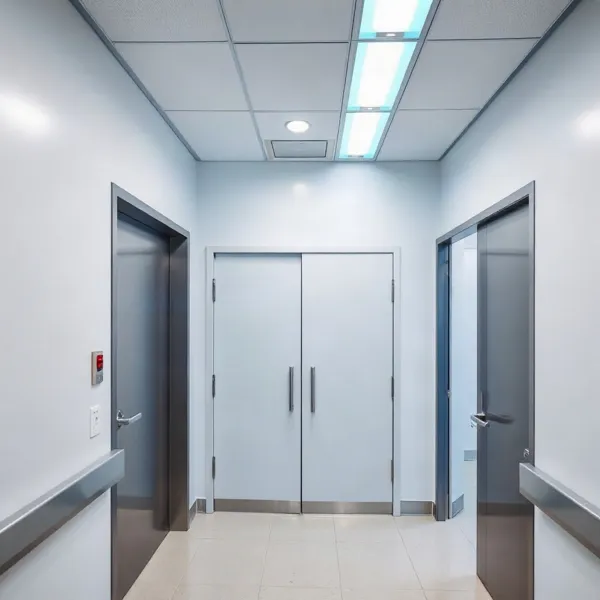
Why Our On-Site Accredited Facility Matters for Your Safety
Cape Cod Plastic Surgery offers expert cosmetic and reconstructive procedures in a safe, accredited setting. Led by Dr. Marc Fater, we combine advanced techniques with personalized care to help you look and feel your best.
Monday: 9:00 AM – 5:00 PM
Tuesday: 9:00 AM – 5:00 PM
Wednesday: 9:00 AM – 5:00 PM
Thursday: 9:00 AM – 5:00 PM
Friday: 9:00 AM – 5:00 PM